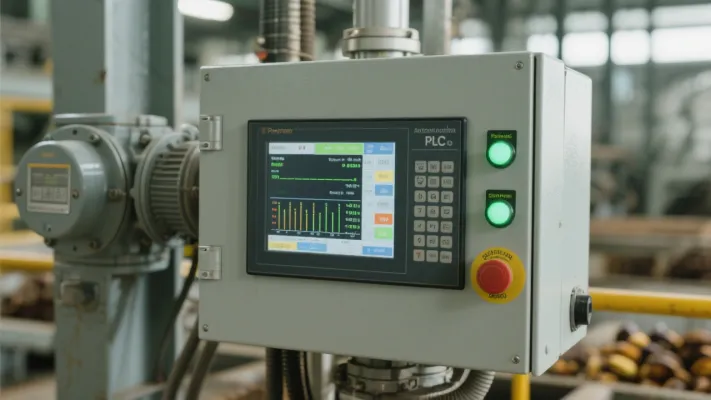
In the competitive landscape of sunflower oil production, achieving a high oil yield is a constant pursuit for producers. Low oil yield not only affects profitability but also weakens market competitiveness. This article delves into the core pain points of low oil yield in sunflower oil production, analyzes common causes, and presents a practical five - step process to boost the yield, all supported by a real - world case.
The primary pain point in sunflower oil production is the low oil yield. There are several common reasons for this issue. Firstly, impurities in sunflower seeds can significantly reduce the oil extraction efficiency. For example, dirt, stones, and other foreign materials can clog the extraction equipment, leading to incomplete oil extraction. Secondly, improper moisture content in the seeds is a major factor. If the moisture is too high, it can cause the oil to emulsify during the extraction process, resulting in lower oil separation. On the other hand, if the moisture is too low, the oil cells in the seeds may not break easily, also reducing the oil yield. Lastly, incorrect pressing temperature can have a negative impact. Different pressing methods (cold - pressing and hot - pressing) require specific temperature ranges for optimal oil extraction.
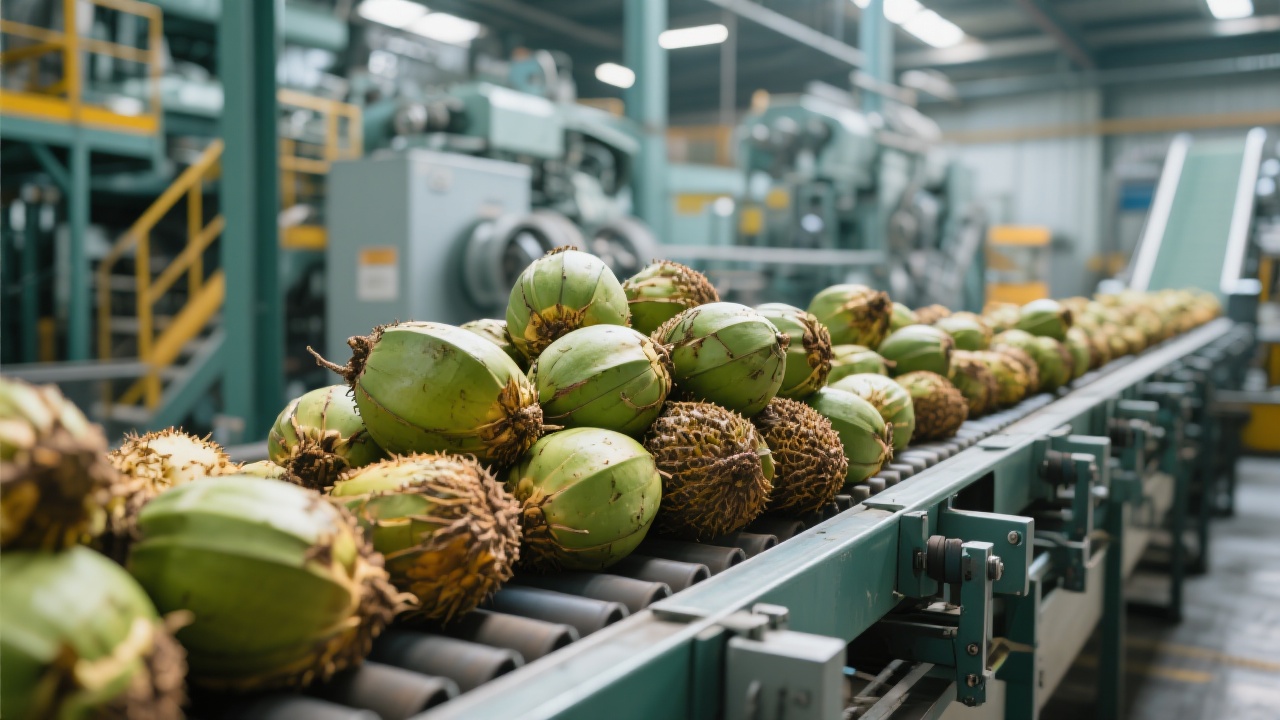
The first step is to clean the sunflower seeds thoroughly. This involves removing all impurities, such as dirt, stones, and broken seeds. By using a high - quality cleaning machine, producers can ensure that only pure seeds enter the next stage of the production process. This not only improves the oil yield but also extends the service life of the subsequent equipment.
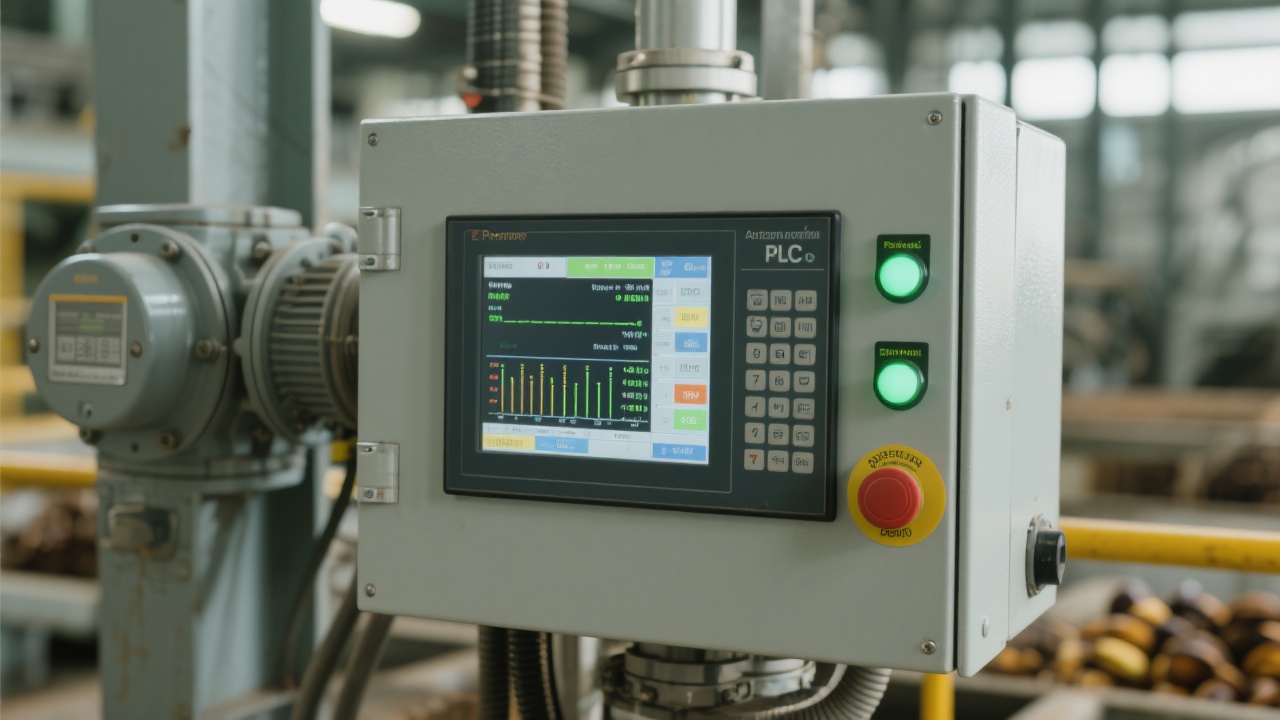
After cleaning, the seeds need to be shelled. A high - efficiency shelling machine can increase the shelling rate, which is crucial for improving the oil yield. Removing the shells allows for better access to the oil - rich kernels during the pressing process. Studies have shown that a higher shelling rate can lead to a 5 - 10% increase in oil yield.
Pressing is the core step in oil extraction. There are two main methods: cold - pressing and hot - pressing. Cold - pressing is suitable for small - scale producers as it preserves the natural nutrients and flavor of the oil. However, the oil yield is relatively lower compared to hot - pressing. Hot - pressing, on the other hand, can achieve a higher oil yield by breaking down the oil cells more effectively at a higher temperature. For large - scale producers, a combination of hot - pressing and a refining system is often recommended.
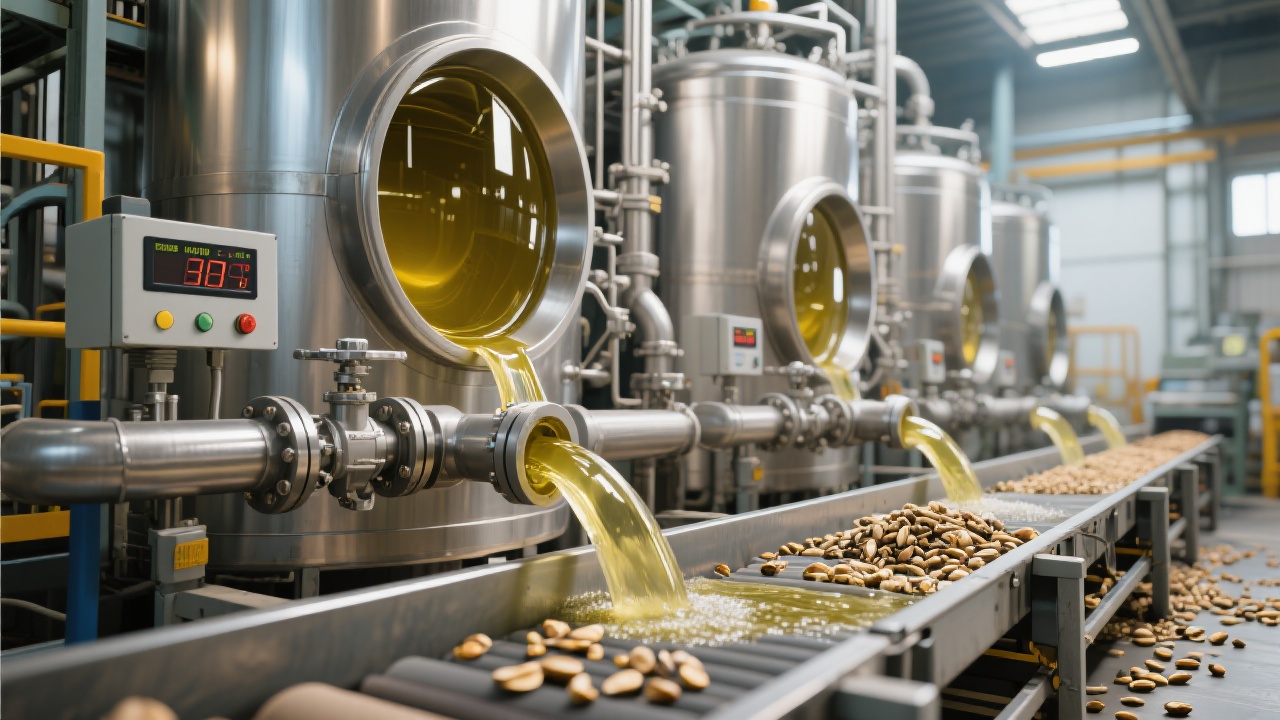
After pressing, the crude oil needs to be filtered to remove any remaining solids and impurities. An efficient filter can reduce residue loss and improve the clarity and quality of the oil. For example, a high - end filter can reduce the residue content in the oil from 5% to less than 1%, which not only improves the product quality but also reduces waste.
The final step is refining, which further purifies the oil and improves its stability and shelf - life. Refining involves processes such as degumming, neutralization, bleaching, and deodorization. By following the correct refining procedures, producers can ensure that the final product meets the highest quality standards.
XX Cooperative, a medium - sized sunflower oil producer, faced the challenge of low oil yield. By optimizing the key processes, including seed pre - treatment, improving the shelling rate, and controlling the pressing temperature, they were able to increase the sunflower oil yield from 55% to 68%. This significant improvement was achieved through a combination of equipment upgrades and process parameter adjustments.
For small - scale producers with a daily production capacity of less than 10 tons, a cold - pressing machine combined with a high - efficiency filter is recommended. For large - scale producers with a daily production capacity of over 50 tons, a hot - pressing machine integrated with a refining system is a better choice.
Regular maintenance of the production equipment is essential for long - term stable output. By following the maintenance guidelines provided by the equipment manufacturers, producers can ensure that the machines operate at their optimal performance. This includes regular cleaning, lubrication, and replacement of worn - out parts. A well - maintained production line can not only improve the oil yield but also reduce the risk of breakdowns and production disruptions.
If you're looking to enhance your sunflower oil production and increase your oil yield, click here to learn more about our comprehensive solutions tailored to your specific needs.





.jpg?x-oss-process=image/resize,m_fill,h_300,w_300/format,webp)


