Cold-pressed sunflower oil is produced through a low-temperature pressing process. Unlike traditional hot-pressing methods, it maintains the natural state of sunflower seeds from start to finish. In the global market, it is positioned as a high-quality, healthy edible oil, targeting consumers who are health-conscious and value natural and pure food products, as well as small and medium-sized oil mills looking for product upgrades.
Cold-pressed sunflower oil retains a significant amount of nutrients. For example, it contains about 50-60 mg/100g of vitamin E, which is a powerful antioxidant that helps protect the body's cells from oxidative damage. In contrast, hot-pressed sunflower oil may lose up to 30% of its vitamin E content due to high-temperature processing. Additionally, cold-pressed oil also preserves polyphenolic antioxidants, with a total polyphenol content of around 10-15 mg/100g, which is 2-3 times higher than that of hot-pressed oil.
Thanks to the low-temperature processing, cold-pressed sunflower oil has a pure and natural aroma. The flavor is not affected by high temperatures, which can sometimes cause unpleasant odors in hot-pressed oils. This pure flavor makes it a popular choice for consumers who appreciate the natural taste of food.
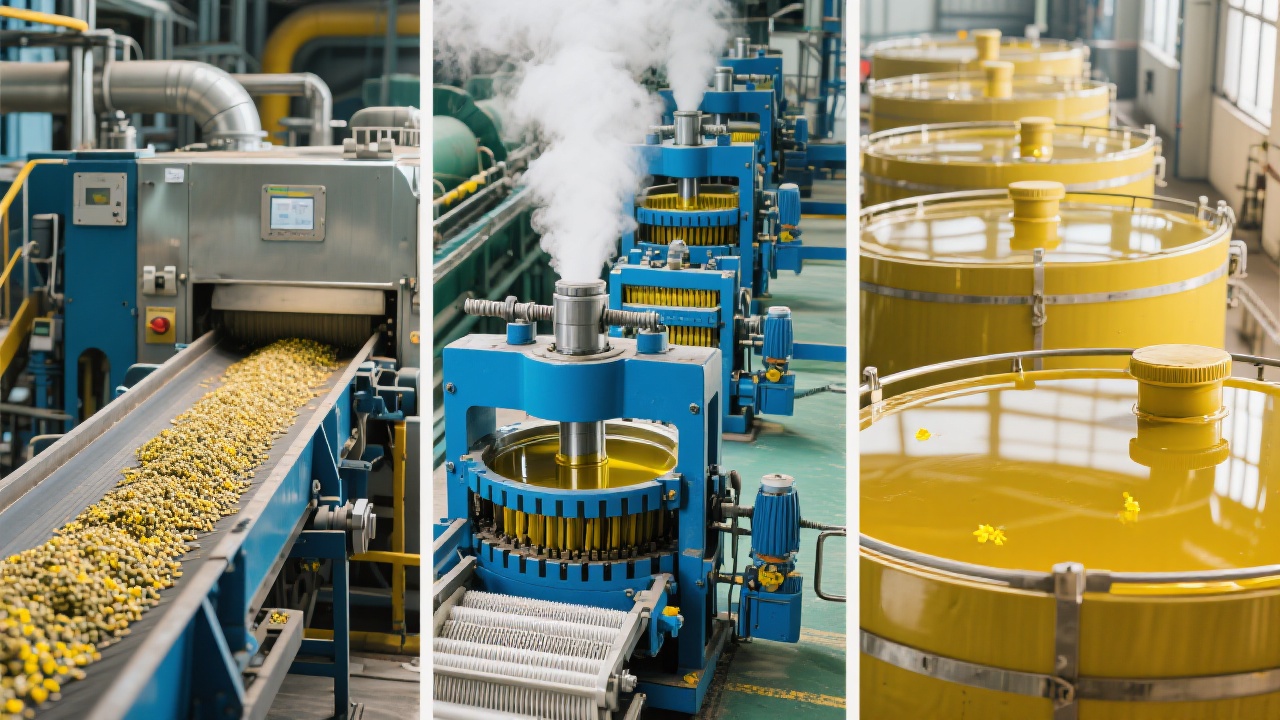
The cold-pressing process of sunflower oil consists of five key steps: seed cleaning, conditioning, pressing, filtering, and packaging. Each step plays a crucial role in ensuring the high quality of the final product. For instance, during the seed cleaning step, impurities and damaged seeds are removed, which helps improve the purity of the oil. In the low-temperature pressing step, the temperature is controlled below 60°C, effectively preserving the nutrients and flavor of the oil. An information chart of this process can be a great way to visually present these steps and their importance.
According to a study, cold-pressed sunflower oil has an antioxidant capacity that is about 40% higher than that of hot-pressed oil. The high content of antioxidants, such as vitamin E and polyphenols, gives cold-pressed oil a longer shelf life. The peroxide value of cold-pressed sunflower oil is typically below 5 meq/kg, while that of hot-pressed oil can reach up to 10 meq/kg, indicating a higher degree of oxidation in hot-pressed oil.
Cold-pressed sunflower oil fits well with current global health diet trends, such as the Mediterranean diet and the ketogenic diet. It is ideal for salad dressings, light cooking, and high-end restaurants. In salad dressings, its pure flavor can enhance the taste of fresh vegetables. In light cooking, such as stir-frying at low temperatures, it retains its nutritional value and does not produce harmful substances.
Some people may think that cold-pressing has a low oil yield, high cost, and is not suitable for industrial production. However, modern cold-pressing technology has improved significantly. The oil yield can reach 35-40%, which is only slightly lower than that of hot-pressing. In terms of cost, although the initial investment in cold-pressing equipment is relatively high, the market price of cold-pressed oil is also higher, making it a profitable option. Moreover, with the development of technology, cold-pressing is becoming more and more suitable for large-scale industrial production.
Cold-pressed sunflower oil represents the future direction of healthy oil upgrades. It is not only a product that meets the increasing health needs of consumers but also a great choice for foreign trade export enterprises. Are you still using hot-pressed oil in your kitchen? It's time to make a change. Let every drop of cold-pressed sunflower oil be worthy of your trust. Cold-pressing is not a gimmick but a scientific choice. Explore Our Cold-Pressed Sunflower Oil Now!
 308
|
308
|
 hot press sunflower oil expeller
sunflower oil production efficiency
commercial oil press machine
oil yield optimization
hot press vs cold press
hot press sunflower oil expeller
sunflower oil production efficiency
commercial oil press machine
oil yield optimization
hot press vs cold press
 97
|
sunflower seed oil processing
screw oil press
hydraulic oil press
oil filtration techniques
improving oil extraction yield
97
|
sunflower seed oil processing
screw oil press
hydraulic oil press
oil filtration techniques
improving oil extraction yield
 324
|
success stories
customer feedback
case analysis
324
|
success stories
customer feedback
case analysis
 327
|
sunflower oil filtration process
sunflower oil refining technology
food-grade sunflower oil production
export-compliant sunflower oil
oil quality control
327
|
sunflower oil filtration process
sunflower oil refining technology
food-grade sunflower oil production
export-compliant sunflower oil
oil quality control
 452
|
Cold - pressed sunflower oil press
Healthy oil production
Cosmetic raw materials
Cold - pressing technology application
Natural skincare products
452
|
Cold - pressed sunflower oil press
Healthy oil production
Cosmetic raw materials
Cold - pressing technology application
Natural skincare products








.jpg?x-oss-process=image/resize,m_fill,h_300,w_300/format,webp)