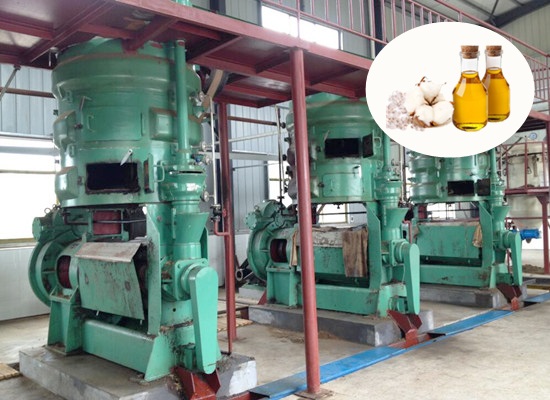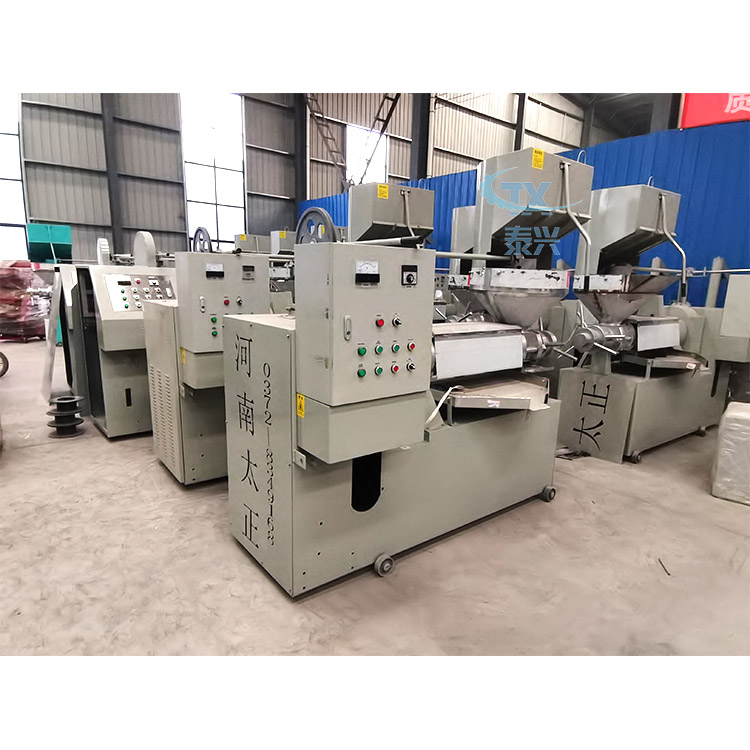
Maximizing the oil extraction rate from sunflower seeds is pivotal for mid-size oil pressing enterprises aiming to enhance profitability while maintaining oil quality. This article uncovers five critical technical measures—ranging from raw material moisture management to daily machine maintenance—that directly impact the efficiency of medium-sized oil press machines. Supported by field-tested insights and operational data, these guidelines equip production managers and enterprise leaders with actionable strategies grounded in proven practices.
Moisture content in sunflower seeds plays a vital role in oil yield and pressing efficiency. Industry data indicates that maintaining a moisture range of 8% to 10% is optimal. Levels outside this window either reduce pressing efficiency or negatively affect oil quality:
Precise moisture measurement tools—such as near-infrared analyzers—are recommended for consistent monitoring to avoid yield fluctuations.
Choosing between cold pressing (below 50°C) and hot pressing (50°C to 90°C) impacts both oil volume and quality:
For mid-sized presses, a controlled hot pressing approach—with temperature precisely held between 70°C and 80°C—strikes an optimal balance, maximizing yield without compromising oil stability.
The gap within the press chamber directly affects seed crushing efficiency and oil flow. Engineers recommend the following adjustment protocol:
Regular gap adjustment, especially during batch changes, ensures stability in oil output.
The sieve serves as a filtration checkpoint to separate oil from solids. Optimal mesh size depends on pressing speed and seed residue characteristics:
Periodic sieve inspection and replacement prevent clogging, sustaining throughput and quality.
Machine maintenance is crucial for maintaining performance and preventing downtime. Recommended practices include:
Engineering teams have reported that adherence to these schedules reduces unplanned downtime by nearly 30% and stabilizes oil output within a ±2% variance range.
Engineer Insight: “In our facility, fine-tuning the chamber gap each week, combined with controlling seed moisture to 9%, boosted oil extraction rate by over 12% compared to previous methods.”
A sunflower oil processing plant using a 30-ton daily capacity medium-sized press implemented these five core techniques over six months:
Outcome metrics showed a 14% increase in oil yield, with 10% reduction in processing downtime, translating into $25,000+ monthly operational savings. The plant successfully stabilized production quality alongside the increased output.

Have you experienced fluctuations in oil yield that seem related to raw material variability or machine settings? Consider auditing your process parameters against these five core areas. Small adjustments can yield substantial gains.

While initial gains stem from technical adjustments, the ongoing drive for excellence demands continuous process monitoring and improvement culture. Engaging operators with real-time data dashboards and integrating predictive maintenance tools can further minimize production risks and boost yield consistency.
.jpg)
 344
|
344
|
 sunflower seed oil yield improvement
medium screw oil press operation
sunflower seed moisture control
pressing temperature settings
oil press maintenance troubleshooting
sunflower seed oil yield improvement
medium screw oil press operation
sunflower seed moisture control
pressing temperature settings
oil press maintenance troubleshooting
 159
|
Sunflower oil production
Sunflower oil processing technology
Oil yield improvement
Difference between cold pressing and hot pressing
Oil refining process
159
|
Sunflower oil production
Sunflower oil processing technology
Oil yield improvement
Difference between cold pressing and hot pressing
Oil refining process
 429
|
Sunflower seed oil grinder purchase guide
Small - scale oil extraction equipment efficiency evaluation
Sunflower oil mill capacity selection
Oil press automation level
Comparison of oil mill equipment materials
429
|
Sunflower seed oil grinder purchase guide
Small - scale oil extraction equipment efficiency evaluation
Sunflower oil mill capacity selection
Oil press automation level
Comparison of oil mill equipment materials
 320
|
Sunflower seed oil extraction rate improvement
Environmental - friendly and energy - saving pressing technology
Seed pre - treatment technology
Cold pressing vs. hot pressing process
Sunflower oil production equipment
320
|
Sunflower seed oil extraction rate improvement
Environmental - friendly and energy - saving pressing technology
Seed pre - treatment technology
Cold pressing vs. hot pressing process
Sunflower oil production equipment
 219
|
Sunflower oil pressing energy - saving technology
Sunflower oil press energy consumption optimization
Sunflower oil yield improvement
Oil processing technology optimization
Automated oil pressing equipment
219
|
Sunflower oil pressing energy - saving technology
Sunflower oil press energy consumption optimization
Sunflower oil yield improvement
Oil processing technology optimization
Automated oil pressing equipment