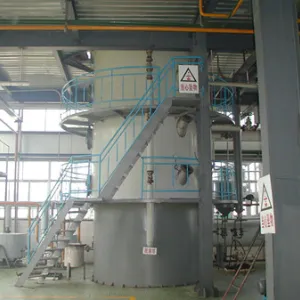
For B2B buyers in food manufacturing and edible oil distribution, consistent quality isn’t just a standard—it’s your competitive edge. In sunflower oil production, every stage from seed cleaning to sterile packaging impacts final product safety, shelf life, and consumer trust. This guide breaks down the critical technical steps that ensure high-grade oil output—backed by real-world data and global compliance standards like HACCP and ISO 22000.
Contaminants such as dust, stones, or moisture can reduce yield and introduce microbial risks early in processing. According to industry benchmarks, effective dehulling removes up to 95% of foreign matter when using automated air classifiers with precision screens (0.5–1 mm aperture). A clean feedstock ensures smoother pressing and minimizes oxidative stress later on.
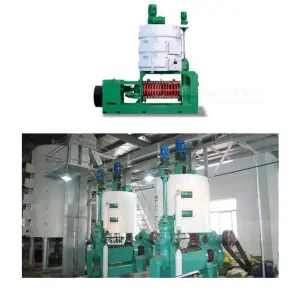
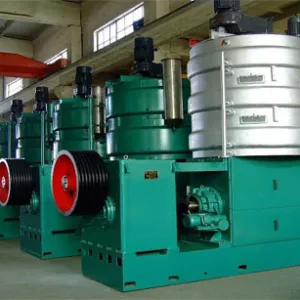
While hot pressing yields higher oil recovery (~92% efficiency), it compromises heat-sensitive nutrients like vitamin E and phytosterols. Cold-pressed oil retains over 85% of natural antioxidants—a key selling point for premium markets in Europe and North America. For mid-scale producers aiming for both cost-efficiency and quality, hybrid systems combining low-temperature pre-conditioning with mechanical pressing offer optimal balance.
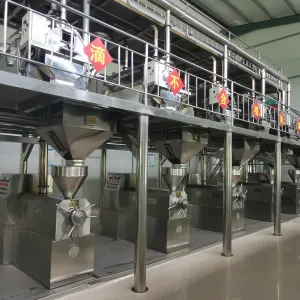
Most small-to-mid plants overlook filtration parameters. Yet, improper filtering leads to sediment buildup and premature oxidation. Using automatic backflush filters with 5–10 micron ceramic cartridges reduces particle count by up to 90% compared to manual methods. These systems also extend maintenance intervals by 40%, saving labor costs while improving consistency.
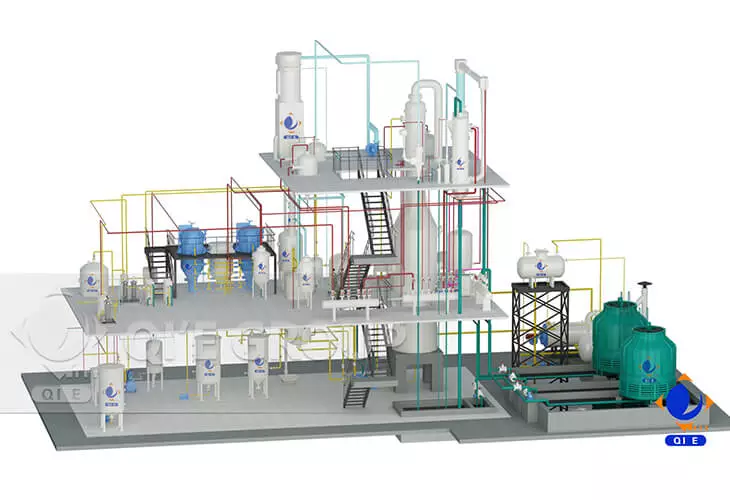
During refining, neutralization removes free fatty acids (FFA) below 0.5%—a requirement for export-ready oils. Modern continuous column refineries achieve this with 98% efficiency using caustic soda dosing controlled via pH sensors. Post-refining, bleaching and deodorizing must be carefully timed to preserve flavor compounds; studies show that over-deodorizing can degrade tocopherol levels by up to 30%.
This is where many producers fail. Microbial contamination post-refining is common if filling occurs in non-sterile environments. Implementing nitrogen-purged filling lines reduces oxygen exposure during bottling—critical for preventing rancidity. Producers who adopt this method report a 6-month extension in shelf life, especially important for retailers in humid climates like Southeast Asia or Latin America.
.jpg)
By integrating these steps into a structured HACCP plan—especially monitoring points at each critical control step—you’re not just meeting regulatory expectations. You’re building brand credibility across global B2B channels.
If you're looking to implement advanced filtration, sterile filling, or cold-press technology for better yield and cleaner labels, our engineered solutions are trusted by 200+ processors worldwide—from family-run mills to multinational brands.
Get a Free Process Audit + Equipment Recommendation