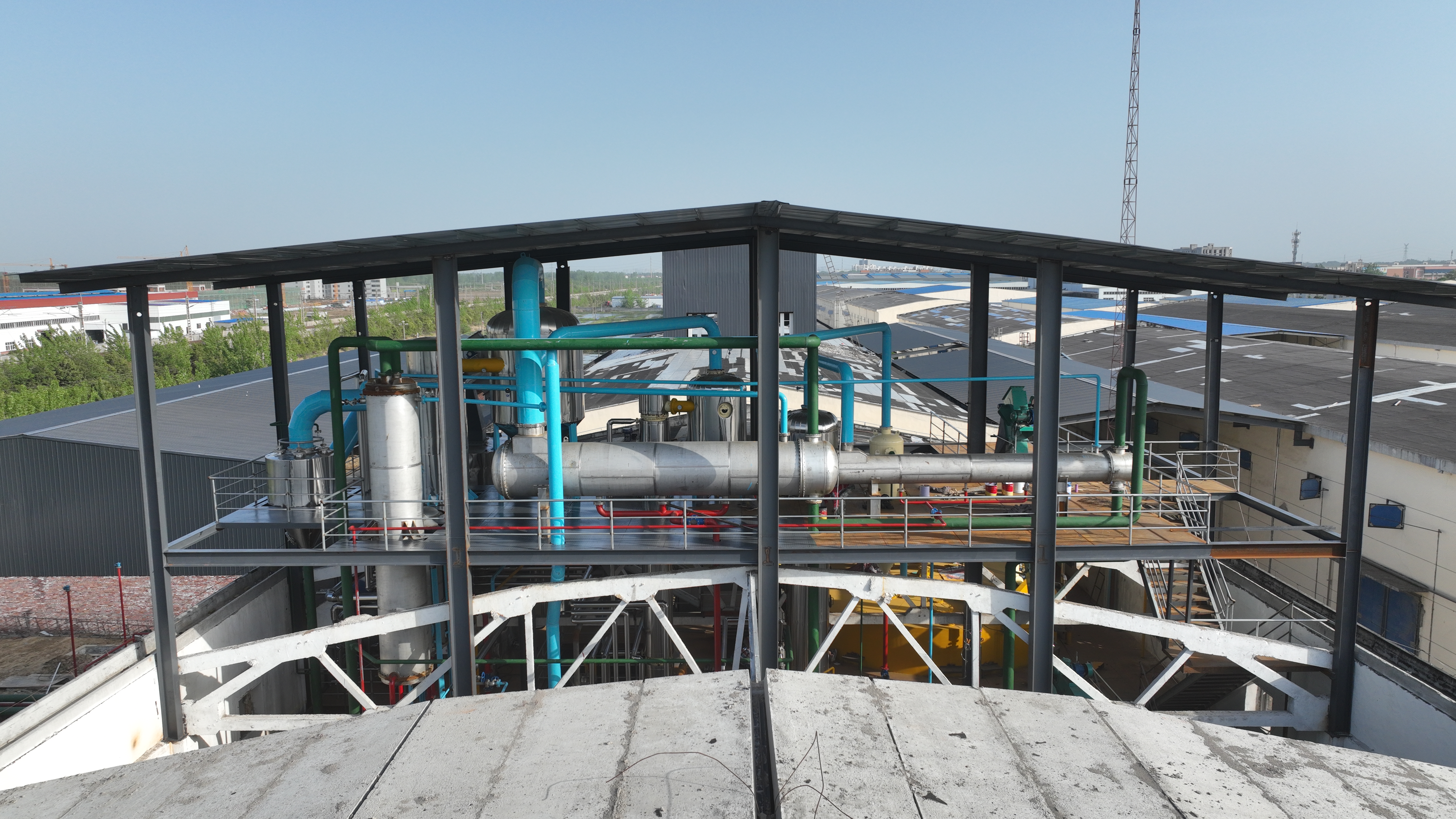
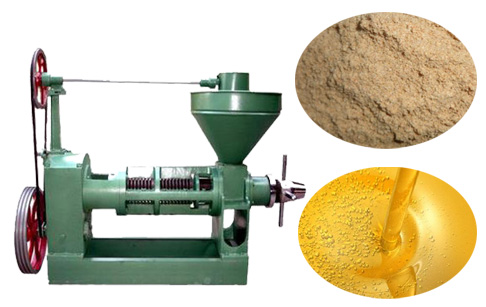
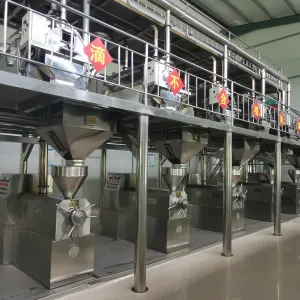
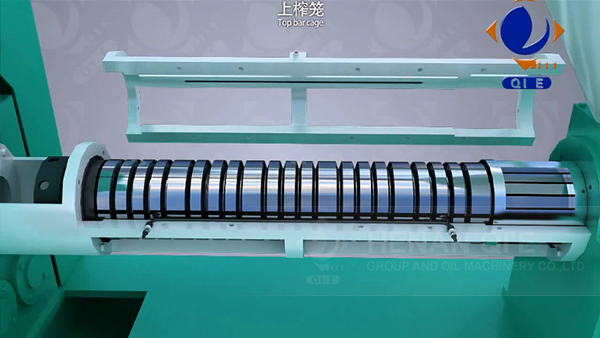
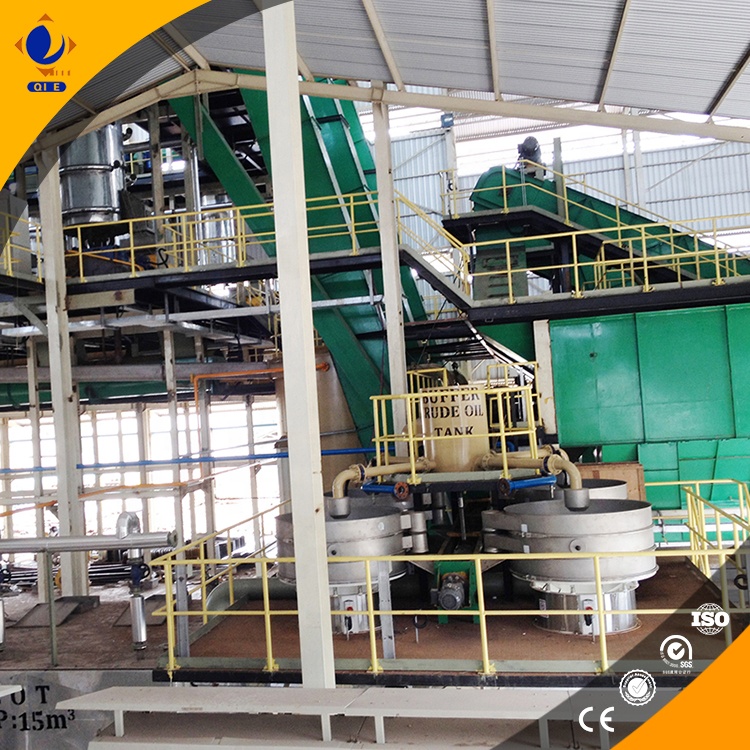
Optimizing a sunflower oil production line requires a detailed understanding of the entire process—from seed pre-treatment to finished product packaging. Penguin Group’s expertly engineered sunflower oil production equipment integrates key stages essential to maximize efficiency and output stability, whether for small-scale family workshops or large-scale industrial plants.
The sunflower oil extraction journey kicks off with seed pre-treatment, progressing through pressing, filtration, refining, and finally packaging. Each phase demands specific equipment tailored for optimal performance:
Effective equipment selection hinges on key technical criteria, such as:
| Equipment | Critical Parameter | Recommended Range | Impact on Production |
|---|---|---|---|
| Seed Pre-cleaner | Screen Mesh Size | 2.5–4 mm | Effective impurity removal, protects downstream equipment |
| Screw Press | Pressure Control | 15–20 MPa adjustable | Maximizes oil extraction without damaging seeds |
| Oil Filtration System | Filter Precision | 5–15 microns | Ensures product clarity, reduces post-processing |
Choosing the right equipment configuration strongly depends on production scale. Below is a comparison between typical family workshop setups and large-scale industrial plants:
| Equipment | Family Workshop | Industrial Plant |
|---|---|---|
| Seed Cleaner | Manual or small vibratory screens | Automated multistage rotary separators |
| Pressing Machine | Single screw hydraulic press, 1-2 tons/day | Continuous screw press, 50+ tons/day capacity |
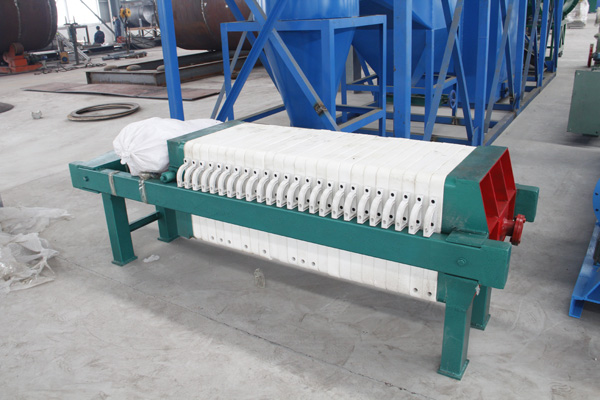
| Filtering Unit | Manual cloth or bag filters | Automated pressure leaf or vacuum filters |
| Automation Level | Semi-automated to manual | Full line integration with PLC control |
A well-matched equipment lineup that communicates effectively in an automated setup enhances operational stability and consistent throughput. For example, pressure settings on screw presses must align with upstream seed moisture content managed at the pre-treatment stage, while filtration speed should be synchronized to avoid unexpected line stoppages.
Avoiding blind purchasing decisions is fundamental to creating a highly efficient and stable sunflower oil production line. Typical issues include:
From seed input to packaged oil, aligning equipment capabilities supports seamless production flow and minimizes manual intervention, fostering scalability and repeatability in product quality.
By following these industry-proven guidelines and leveraging the right technical specifications, businesses can decisively avoid costly errors, enhance automation, and reach benchmark production efficiencies.
 333
|
333
|
 cold-pressed sunflower oil
sunflower oil production equipment
cold pressing technology
antioxidant capacity in oils
premium edible oil certification
cold-pressed sunflower oil
sunflower oil production equipment
cold pressing technology
antioxidant capacity in oils
premium edible oil certification
 490
|
Cold-pressed sunflower oil machine
Small-batch oil machine selection
Cold-pressed oil machine maintenance
Healthy sunflower oil production
Cold-pressing equipment operation guide
490
|
Cold-pressed sunflower oil machine
Small-batch oil machine selection
Cold-pressed oil machine maintenance
Healthy sunflower oil production
Cold-pressing equipment operation guide
 326
|
Cold - pressed sunflower oil
Advantages of cold - pressing technology
Sunflower oil production process
Preservation of natural nutrients
Healthy vegetable oil
326
|
Cold - pressed sunflower oil
Advantages of cold - pressing technology
Sunflower oil production process
Preservation of natural nutrients
Healthy vegetable oil
 494
|
cold-pressed sunflower oil
sunflower oil equipment selection
oil quality parameters
antioxidant capacity testing
cold-pressing process identification
494
|
cold-pressed sunflower oil
sunflower oil equipment selection
oil quality parameters
antioxidant capacity testing
cold-pressing process identification
 497
|
sunflower oil filtration equipment
vacuum oil filter vs filter press
plate and frame filter press for edible oil
commercial oil filtration machine
sunflower oil purification system
497
|
sunflower oil filtration equipment
vacuum oil filter vs filter press
plate and frame filter press for edible oil
commercial oil filtration machine
sunflower oil purification system
.jpg)