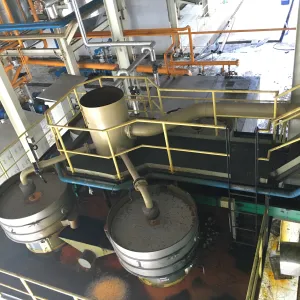
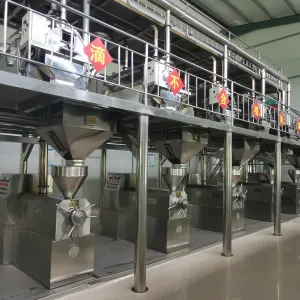
The production of sunflower oil is a nuanced process where every step impacts the final product's quality, yield, and market acceptance—especially for export-oriented manufacturers. This article offers an in-depth analysis of the complete sunflower oil production flow, emphasizing the critical differences between cold pressing and hot pressing techniques. By exploring key operational stages—from seed cleaning to packaging—industry stakeholders can optimize their technology choices, maximize oil yield, and meet stringent export standards effectively.
Proper seed selection and cleaning represent the first and arguably most vital phase. Removing foreign particles, broken shells, and dust is critical to preventing contamination and degradation of oil quality. Studies indicate that efficient pre-cleaning can reduce impurity levels by up to 5%, which correlates directly with better filtration and refinement outcomes downstream.
| Aspect | Cold Pressing | Hot Pressing |
|---|---|---|
| Operating Temperature | Below 50°C | 90–120°C |
| Oil Yield | 32-35% | 38-42% |
| Nutrient Retention | High (vitamin E, antioxidants retained) | Moderate (some nutrients lost) |
| Energy Consumption | Lower | Higher |
| Capital Investment | Moderate | Higher due to heating equipment |
| Suitable For | Premium, organic oils | Mass production, cost efficiency |
After seed preparation and pressing, refining processes become crucial for export-grade oils. Critical refining steps include degumming, neutralization, bleaching, and deodorization. Each stage reduces impurities, enhances stability, and influences sensory attributes without compromising nutritional benefits.
Moreover, controlling pressing parameters such as temperature, pressing time, and screw speed directly affects oil extraction efficiency. For example, a referenced mid-sized facility achieved a 5% yield increase by optimizing pressing speed and maintaining an optimal temperature range between 45-50°C for cold press lines.
Maintaining equipment cleanliness and regularly calibrating machinery ensures consistent oil quality. Dust accumulation inside presses and discarded hulls can lead to contamination or oxidation if not addressed timely. Additionally, impurities like phospholipids and free fatty acids (FFA) necessitate careful monitoring, as high FFA (>1.5%) can impair oil stability and limit export eligibility.
Periodic equipment maintenance combined with process monitoring technologies like Near-Infrared (NIR) spectroscopy can help production managers detect deviations early and optimize oil quality in real-time.
To meet international export requirements, sunflower oil must comply with specification thresholds including:
Regular chemical testing, proper storage away from light and heat, and effective packaging contribute significantly to preserving the oil’s export value. Avoiding over-processing also helps retain beneficial compounds enhancing brand competitiveness in premium markets.