For sunflower oil producers, especially small- to mid-scale processors, low extraction efficiency remains one of the biggest barriers to profitability. Industry data shows that many traditional facilities still operate at 55–62% oil yield—far below the potential of modern systems. This article breaks down how seed preparation, pressing methods, and filtration impact yield, supported by real-world case studies and actionable insights for operators looking to reduce waste and boost margins.
According to a 2023 study by the International Oilseed Processing Association (IOPA), up to 12% of total yield loss in sunflower oil production stems from inadequate seed cleaning and moisture control. Seeds with >10% moisture content or high foreign material (like stalks or sand) can cause mechanical inefficiencies during pressing and increase residual oil in cake. One cooperative in Ukraine reported a 13% yield jump—from 55% to 68%—after implementing a two-stage cleaning system followed by controlled drying (to ~6% moisture).
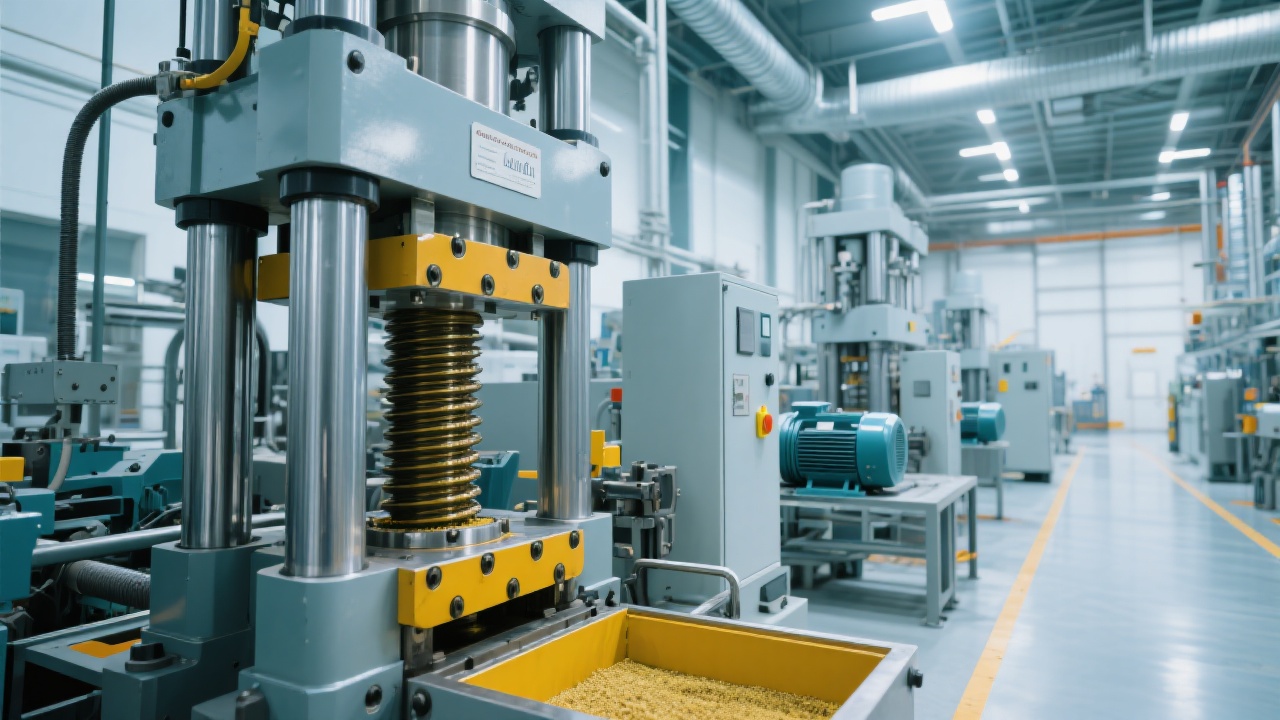
Adequate dehulling isn’t just about removing hulls—it’s about preserving kernel integrity. High-efficiency dehullers (like those using air classification) can achieve 92–96% dehulling rates, significantly reducing fiber contamination in the press cake. In contrast, manual or outdated systems often leave 15–20% of kernels intact in the shell, leading to lower oil release and higher energy consumption per kg of oil produced.
| Processing Method | Avg. Yield (%) | Energy Use (kWh/kg oil) |
|---|---|---|
| Traditional Cold Press | 57–62 | 2.1–2.5 |
| Modern Cold Press + Filtration | 65–68 | 1.8–2.0 |
| Hot Press (60–70°C) | 68–72 | 1.6–1.9 |
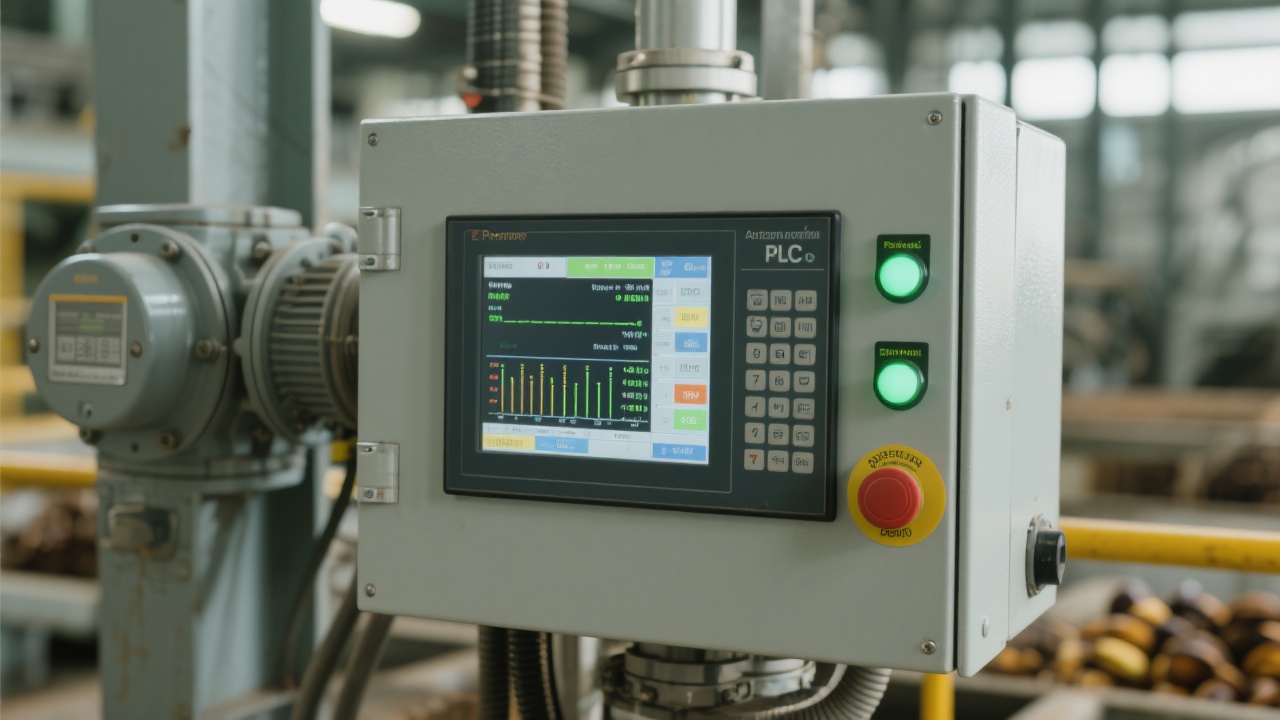
Many producers overlook the role of filtration in minimizing residual oil. A high-efficiency filter press or membrane filtration system can reduce oil trapped in cake from 10–15% to under 4%. As Mr. Ahmed Hassan, plant manager at a Saudi Arabian refinery, notes: “We saw our monthly output increase by 200 liters per ton after switching to a multi-stage filter system—it wasn’t just cleaner oil, it was more oil.”
For startups or micro-factories (<5 tons/day): Start with a compact cold press + automatic filter. For mid-sized operations (5–20 tons/day): Consider semi-automatic hot press units paired with continuous centrifugal filters. Large-scale plants (>20 tons/day) benefit most from integrated systems with heat recovery and solvent recovery loops—a move toward zero-waste processing.
Pro Tip: Don’t rush equipment upgrades—first measure your current yield baseline. Then target one bottleneck at a time: seed prep → dehulling → pressing → filtering. Each step offers measurable ROI within 3–6 months.