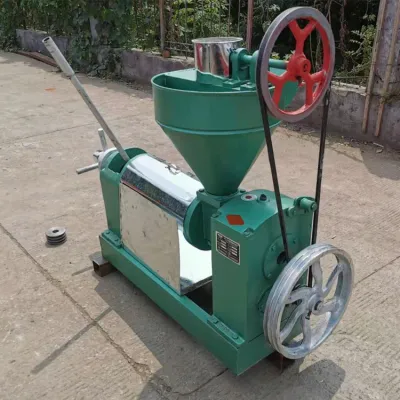
Selecting the right sunflower oil mill or grinding machine is essential for optimizing production efficiency and maximizing return on investment. Whether you operate a small startup, a mid-sized processing facility, or a large-scale manufacturer, understanding how capacity and processing capabilities align with your operational goals is critical.
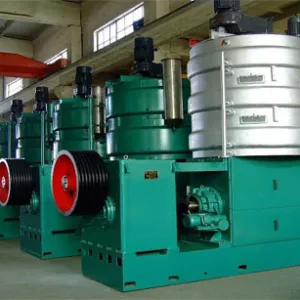
Modern sunflower oil milling equipment offers integrated functions, often combining cleaning, shell removal, pressing or expelling, and filtration in one streamlined workflow. This consolidation minimizes manual intervention and downtime, enabling continuous operation.
Depending on design sophistication, machines may feature built-in separators and automatic temperature controls to optimize oil extraction. These capabilities ensure higher output quality and consistent performance. Operators should prioritize equipment that matches their processing requirements to avoid underutilization or bottlenecks.
| Capacity Category | Throughput (tons/day) | Typical User Profile |
|---|---|---|
| Small Capacity | 1–5 tons | Startups, small-scale producers |
| Medium Capacity | 5–20 tons | Mid-sized oil mills, regional processors |
| Large Capacity | 20+ tons | Industrial manufacturers, high-volume factories |
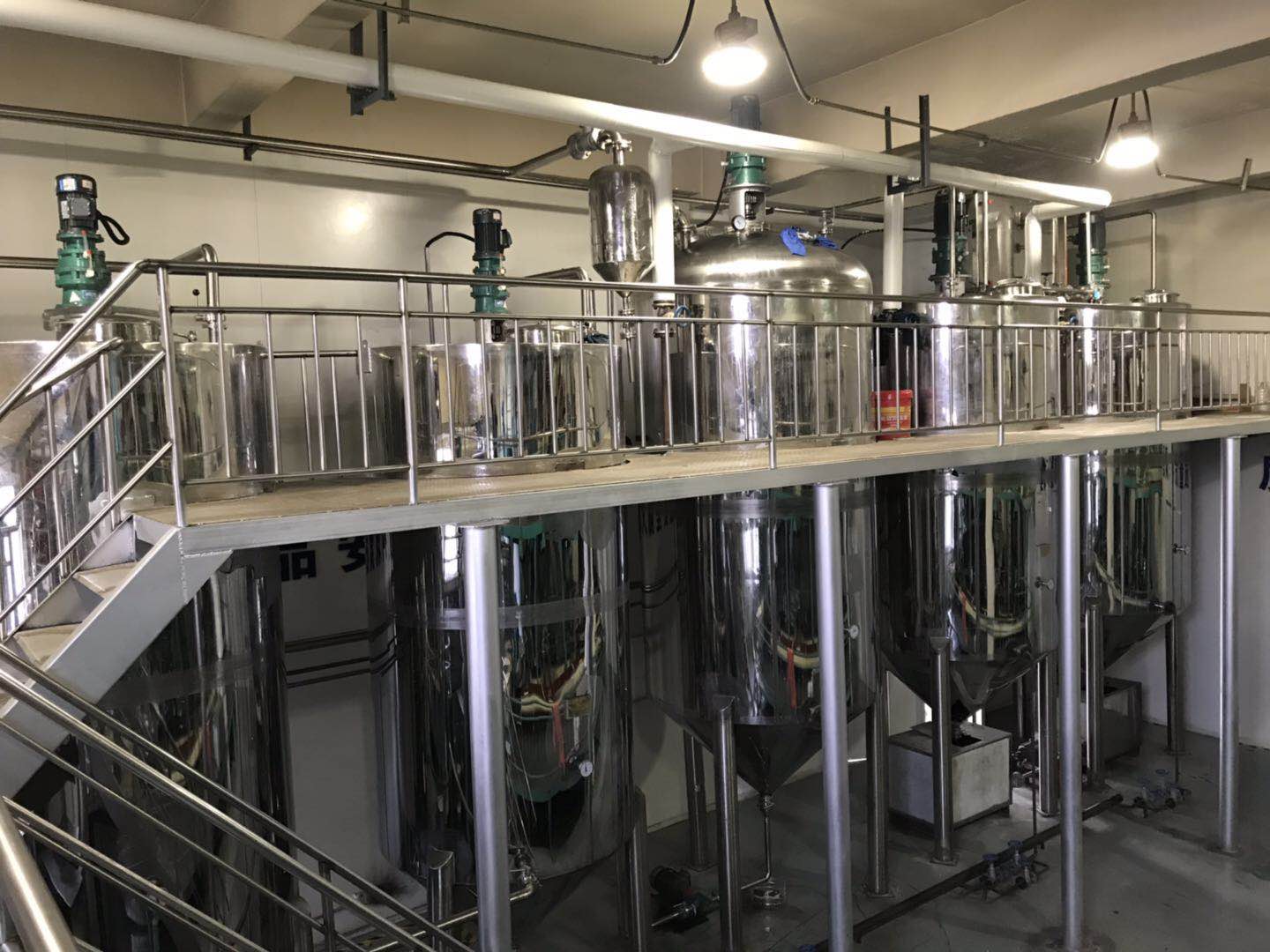
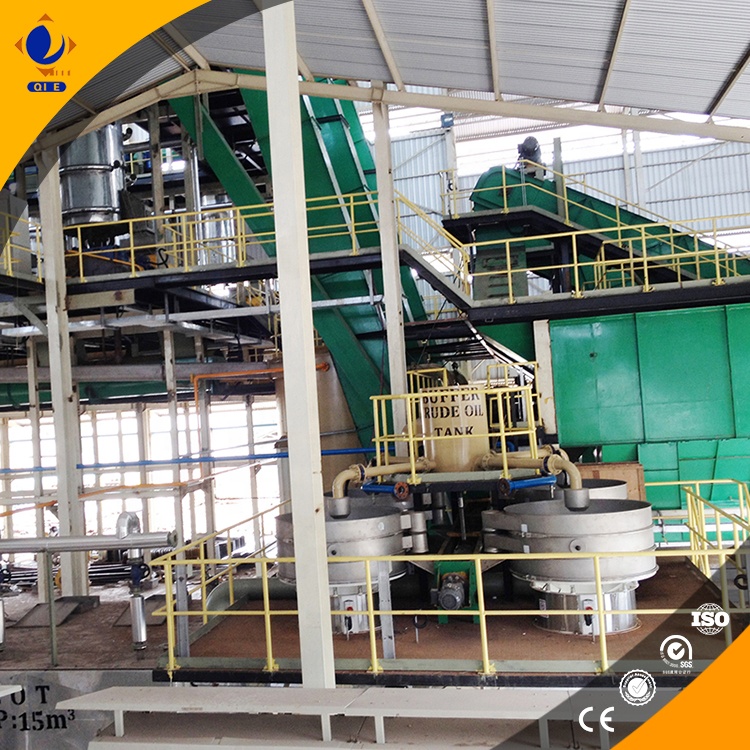
Automation directly impacts labor costs and consistency. Manual or semi-automatic machines suit small operations with limited budgets but require more manpower and low throughput. In contrast, fully automated sunflower oil mills incorporate sensors, programmable logic controllers (PLCs), and feedback loops to regulate temperature, processing speed, and extraction pressure.
Typical efficiency improvements from automation include a 15%–25% increase in output and a 20% reduction in labor expenses. When evaluating options, consider your operational scale and workforce availability. For larger plants serving commercial markets, automation elevates scalability and product consistency.
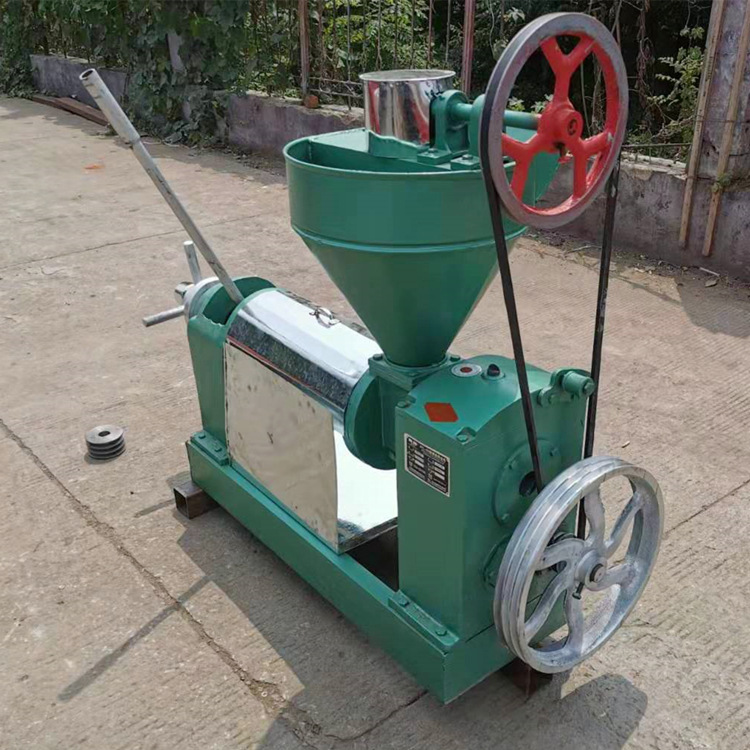
Material choices affect machine durability and hygiene compliance. Stainless steel offers superior corrosion resistance, ease of cleaning, and compliance with international food-grade standards such as FDA and ISO 22000. It typically extends equipment life by up to 30% longer than carbon steel, reducing maintenance frequency.
Carbon steel may have lower upfront costs but demands careful anti-rust treatment and is less suitable for processes requiring high sanitary conditions. For exporters targeting strict markets like the EU and North America, stainless steel equipment enhances buyers' confidence.
Energy efficiency and oil extraction rates are decisive for operational profitability. Benchmark data suggests that advanced sunflower oil presses consume approximately 20–35 kWh per ton of seeds processed. Output yield typically ranges from 35% to 52% depending on seed quality, press type, and processing parameters.
A robust performance evaluation includes:
These key performance indicators guide purchasing decisions based on long-term cost-effectiveness and reliability.
Consider a mid-sized regional oil mill upgrading from a semi-automatic carbon steel press to a fully automated stainless steel unit. The annual throughput increased by 18%, while labor costs dropped by 22%. The client noted a 5% rise in oil yield, boosting total annual revenue by nearly 12%. They further benefited from simplified compliance audits due to improved hygiene standards.
Such examples underscore how tailored equipment selection aligned to production scales and product quality goals drives measurable ROI.
What are the key challenges your plant faces in achieving optimal oil yield and operational efficiency? Share your insights or questions below to engage with industry experts and peers.
Ready to enhance your sunflower oil production? Discover the ideal oil mill solution tailored to your capacity and quality goals.





.jpg?x-oss-process=image/resize,m_fill,h_300,w_300/format,webp)

