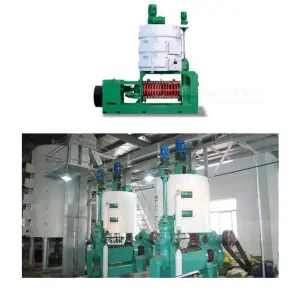
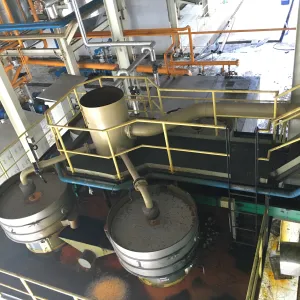
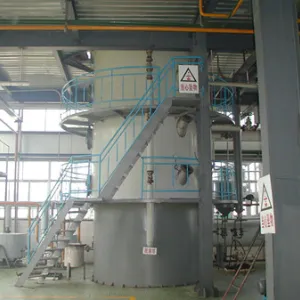
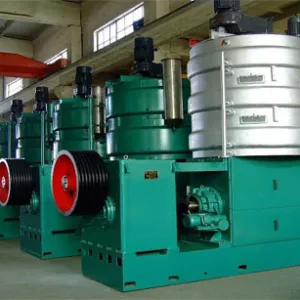
When it comes to the production of sunflower oil, choosing the right sunflower oil mill is crucial. This guide will take you through all the key aspects of selecting the appropriate equipment, from production capacity requirements to the degree of automation.
Sunflower oil mills offer a range of functions, including cleaning, shelling, pressing, and filtering. Each step plays a vital role in the overall oil - making process. For example, proper cleaning removes impurities, which can improve the quality of the final oil product. Shelling ensures that the kernels are ready for efficient pressing. The pressing process extracts the oil from the kernels, and filtering removes any remaining solids from the oil.
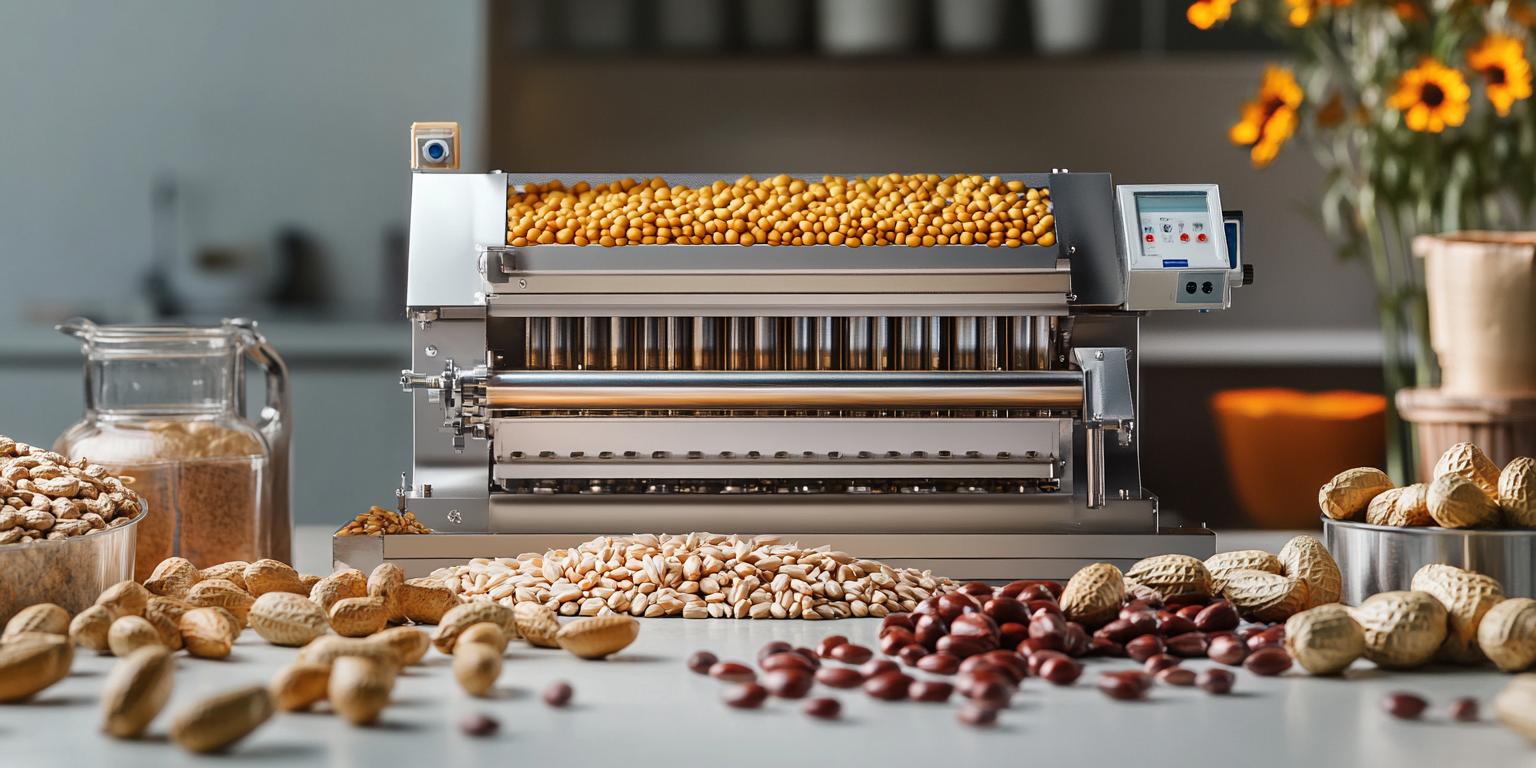
Let's look at a real - world example. A small - scale oil mill in a rural area initially used a basic pressing machine without proper cleaning and filtering functions. The oil produced had a lot of impurities, which affected its marketability. After upgrading to a more comprehensive sunflower oil mill with all the necessary functions, the quality of the oil improved significantly, and the mill was able to sell its products at a higher price.
Sunflower oil mills come in various capacity models. The production capacity can range from a few kilograms per hour to several tons per day. For small - scale producers, such as family - run oil mills, a machine with a lower capacity, say 10 - 50 kilograms per hour, might be sufficient. This can meet the local market demand without over - investing in equipment.
On the other hand, large - scale factories need to consider mills with much higher production capacities. For instance, a factory aiming to supply oil to a wide - spread market might require a mill that can produce 1 - 5 tons per day. By choosing the right capacity, producers can ensure that they are neither under - utilizing nor over - burdening their equipment, which can lead to better cost - efficiency.
| Capacity Range | Suitable for |
|---|---|
| 10 - 50 kg/h | Small - scale family oil mills |
| 50 - 200 kg/h | Medium - sized local oil producers |
| 1 - 5 tons/day | Large - scale factories |
There are two main types of sunflower oil mills in terms of automation: semi - automatic and fully automatic. Semi - automatic mills require more manual intervention, such as loading and unloading materials, adjusting settings, etc. While they are generally more affordable, they also require more labor, which can increase the overall production cost.
Fully automatic mills, on the contrary, can perform most of the operations with minimal human input. They are more expensive upfront but can significantly reduce labor costs in the long run. For example, a large - scale factory that switched from semi - automatic to fully automatic mills was able to reduce its labor force by 30% while increasing its daily production by 20%.
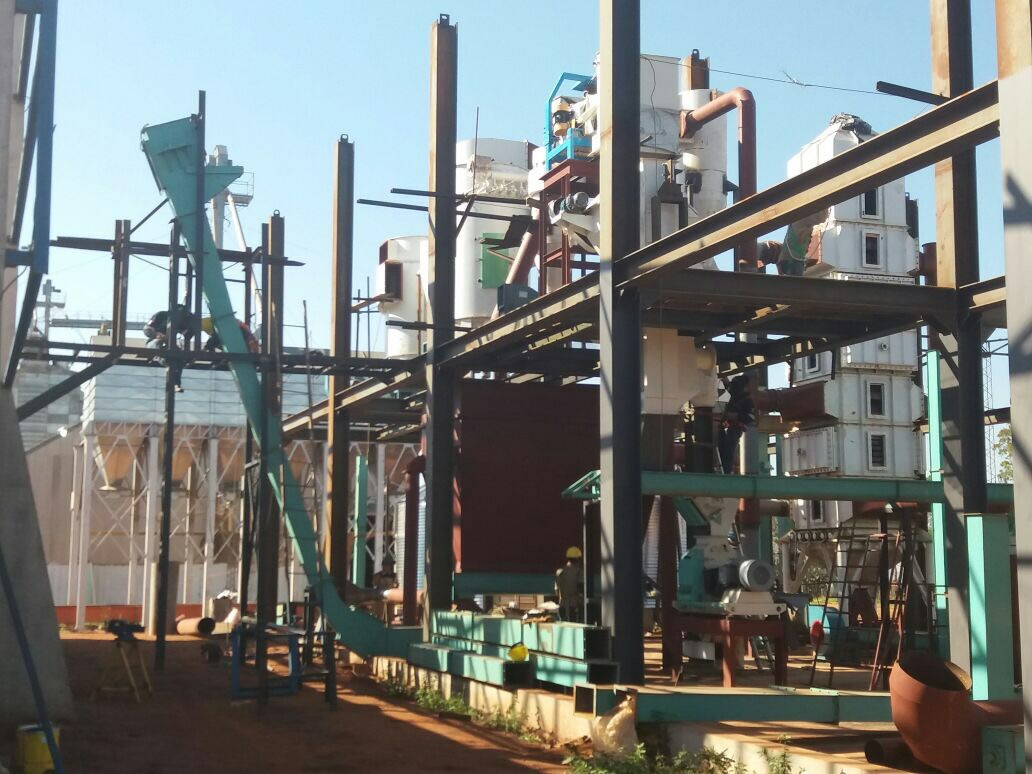
The materials used in sunflower oil mills mainly include stainless steel and carbon steel. Stainless steel is more resistant to corrosion and rust, which is crucial for maintaining the hygiene of the oil. It also has a longer lifespan, which means less frequent replacement and lower maintenance costs.
Carbon steel, on the other hand, is more affordable but may not be as hygienic. If not properly maintained, it can rust, which can contaminate the oil. A food - grade stainless - steel mill can ensure that the oil produced meets high - quality standards, making it more marketable.
When selecting a sunflower oil mill, it is important to consider both performance and economy. Performance is measured by factors such as oil - extraction efficiency and energy consumption. A high - efficiency mill can extract more oil from the same amount of sunflower seeds, which means higher productivity.
Energy consumption is also a key factor. A mill with lower energy consumption can save a significant amount of money in the long run. For example, a mill that consumes 10% less energy than its competitors can result in thousands of dollars in savings over a year.
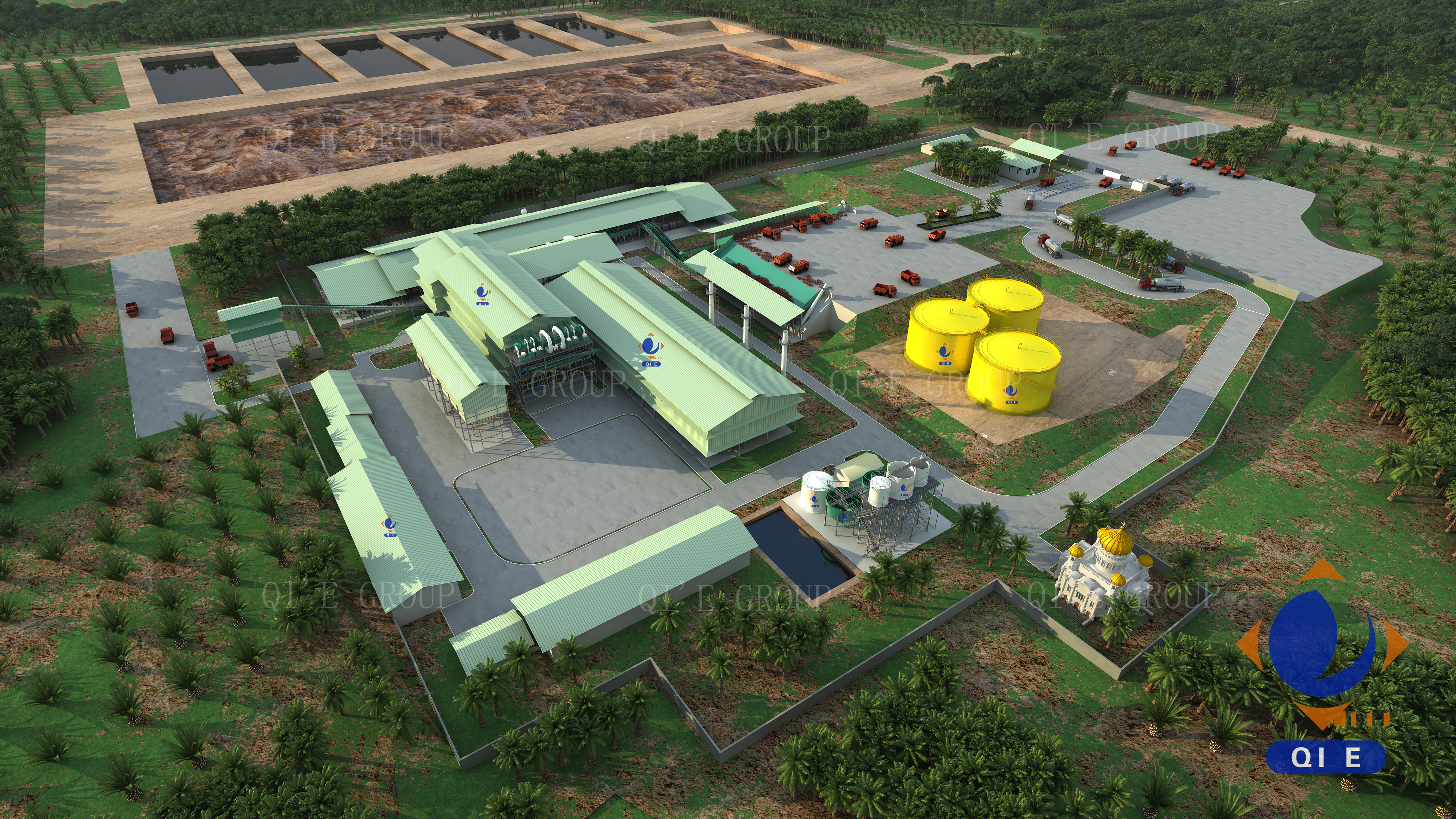
By carefully considering all these factors, you can choose a sunflower oil mill that best suits your production needs. Whether you are a small - scale producer or a large - scale factory, the right equipment can lead to higher efficiency, better product quality, and ultimately, greater return on investment. Don't miss out on the opportunity to optimize your sunflower oil production! Click here to explore our range of high - performance sunflower oil mills.