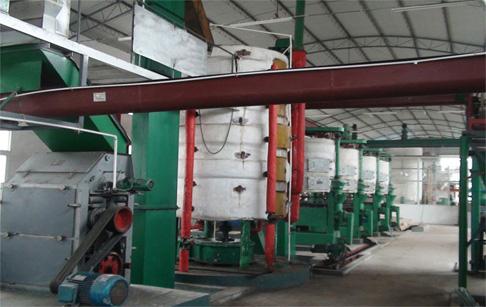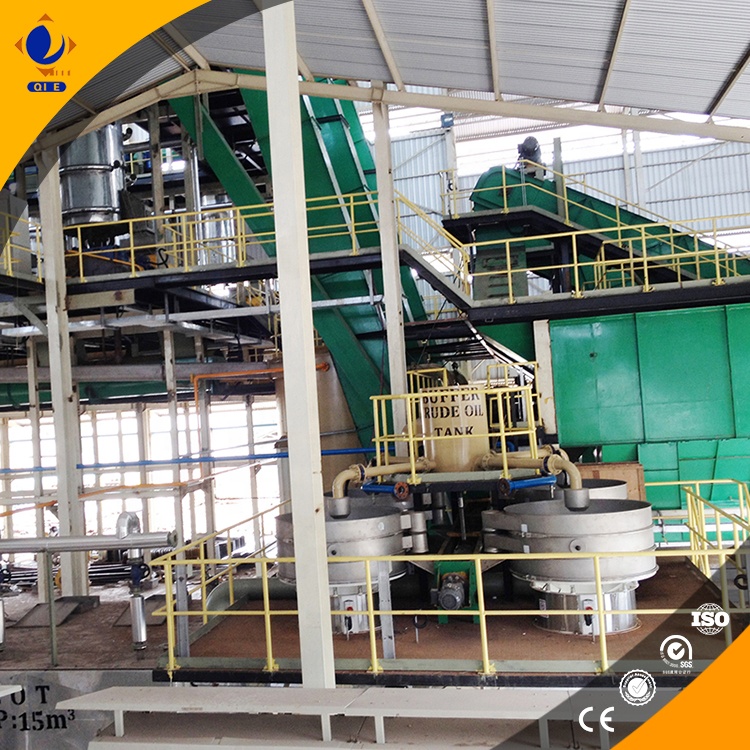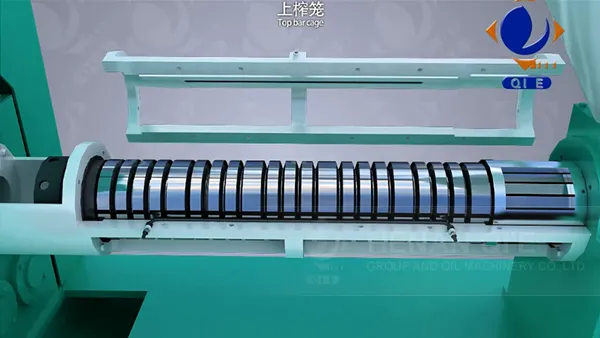
In the commercial production of sunflower seed oil, selecting the optimal filtration equipment profoundly impacts product quality, operational costs, and overall process efficiency. This article provides an in-depth comparison of two dominant filtration technologies—vacuum oil filters and plate and frame filter presses—examining their filtration efficiency, energy consumption, maintenance complexity, and suitability across various production scales. By aligning technical evaluations with practical applications across foodservice, cosmetics manufacturing, and small-scale workshops, businesses can make scientifically informed decisions tailored to their unique needs.
Filtration efficiency is critical in removing unwanted particulates and impurities from sunflower seed oil to ensure clarity, flavor integrity, and shelf stability.
The vacuum filter excels in medium to large-scale continuous operations, while the plate and frame press is favorable when ultra-high purity and batch flexibility outweigh processing speed.
Managing energy consumption is essential for sustainable and cost-effective oil processing.
| Equipment Type | Typical Power Consumption (kW) | Energy Use (kWh per ton) | Operational Notes |
|---|---|---|---|
| Vacuum Oil Filter | 3 - 7 kW | 15 - 25 kWh | Continuous operation, moderate energy use; lower in high-temperature environments. |
| Plate and Frame Filter Press | 7 - 12 kW | 25 - 45 kWh | Batch process; higher peak energy demand due to hydraulic pressing. |
Vacuum systems usually offer more energy-efficient continuous processing, reducing per-unit power cost especially at large throughputs.
Maintenance demands directly affect operational downtime and long-term profitability.
Automated models with PLC controls can reduce labor, though capital expenditure rises correspondingly.
Matching filtration capacity with production scale and end-use is paramount.
| Equipment | Recommended Daily Throughput | Best Use Case |
|---|---|---|
| Vacuum Oil Filter | 500 - 2000+ liters | Medium to large commercial oil refineries, cosmetic oil processing, high-throughput kitchens |
| Plate and Frame Filter Press | 50 - 1000 liters | Small workshops, specialty cosmetic oil batch production, artisanal food industries |
Decision-making in filter selection should incorporate production volume, desired oil clarity, and available workforce skills. To streamline your choice, use our interactive decision tree tool designed to factor in throughput, oil quality expectations, and labor costs—empowering you to invest wisely.
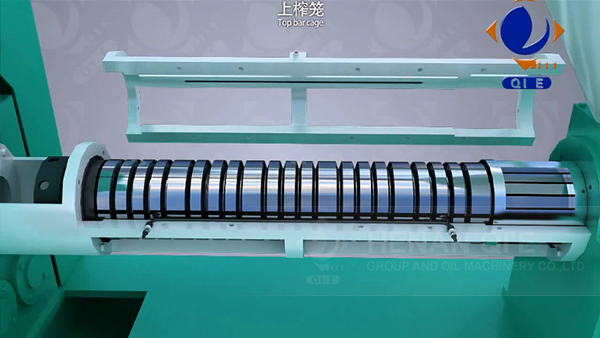
A mid-sized cosmetic oil producer in Europe upgraded from a plate and frame filter press to a vacuum oil filter and observed:
Conversely, a small artisanal producer preferred the plate and frame press for batch flexibility despite its labor intensity, enabling precise control over small-batch specialty oils.
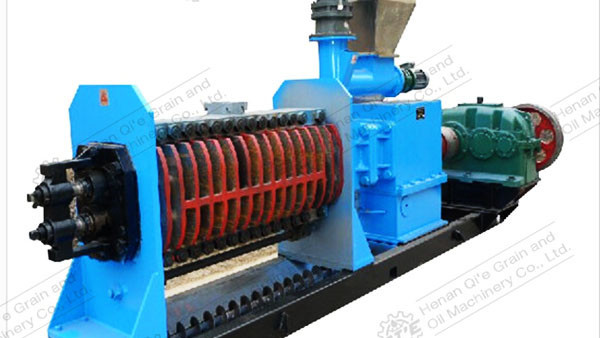
The integration of automated control systems with vacuum oil filters is shaping the future of sunflower seed oil filtration. Advanced PLCs (Programmable Logic Controllers) and IoT-enabled sensors facilitate real-time monitoring of filtration parameters, predictive maintenance, and optimized energy usage, reducing downtime and ensuring product quality consistency. This is especially critical for high-volume commercial operations and premium oil batches.

 462
|
462
|
 cold pressed sunflower oil machine
small medium oil mill upgrades
cold pressing technology benefits
sunflower oil production process
healthy vegetable oil extraction
329
|
Cold - pressed sunflower oil machine
Small oil processing equipment
Oil cold - pressing technology
Equipment maintenance skills
Healthy sunflower oil production
288
|
Cold-pressed sunflower oil
Cold-pressed vs hot-pressed
Nutritional components of sunflower oil
Healthy cooking oil
Low-temperature pressing technology
349
|
cold pressed sunflower oil
sunflower oil quality indicators
cold press oil identification
antioxidant capacity test
healthy cooking oil guide
cold pressed sunflower oil machine
small medium oil mill upgrades
cold pressing technology benefits
sunflower oil production process
healthy vegetable oil extraction
329
|
Cold - pressed sunflower oil machine
Small oil processing equipment
Oil cold - pressing technology
Equipment maintenance skills
Healthy sunflower oil production
288
|
Cold-pressed sunflower oil
Cold-pressed vs hot-pressed
Nutritional components of sunflower oil
Healthy cooking oil
Low-temperature pressing technology
349
|
cold pressed sunflower oil
sunflower oil quality indicators
cold press oil identification
antioxidant capacity test
healthy cooking oil guide
 497
|
sunflower oil filtration equipment
vacuum oil filter vs filter press
plate and frame filter press for edible oil
commercial oil filtration machine
sunflower oil purification system
497
|
sunflower oil filtration equipment
vacuum oil filter vs filter press
plate and frame filter press for edible oil
commercial oil filtration machine
sunflower oil purification system


.jpg)






.jpg?x-oss-process=image/resize,m_fill,h_400,w_400/format,webp)