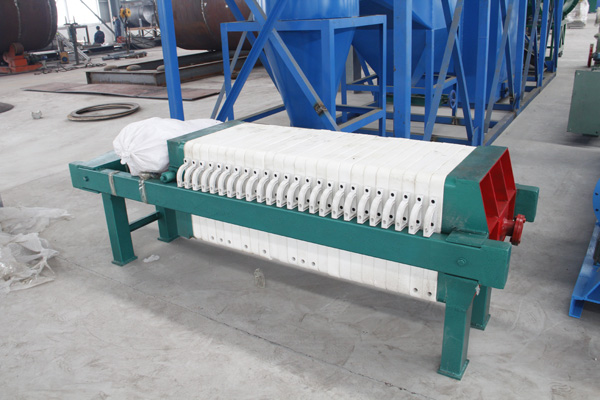
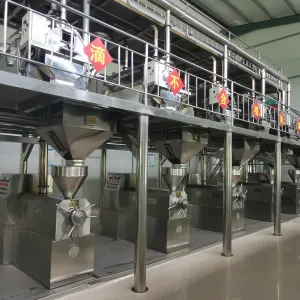
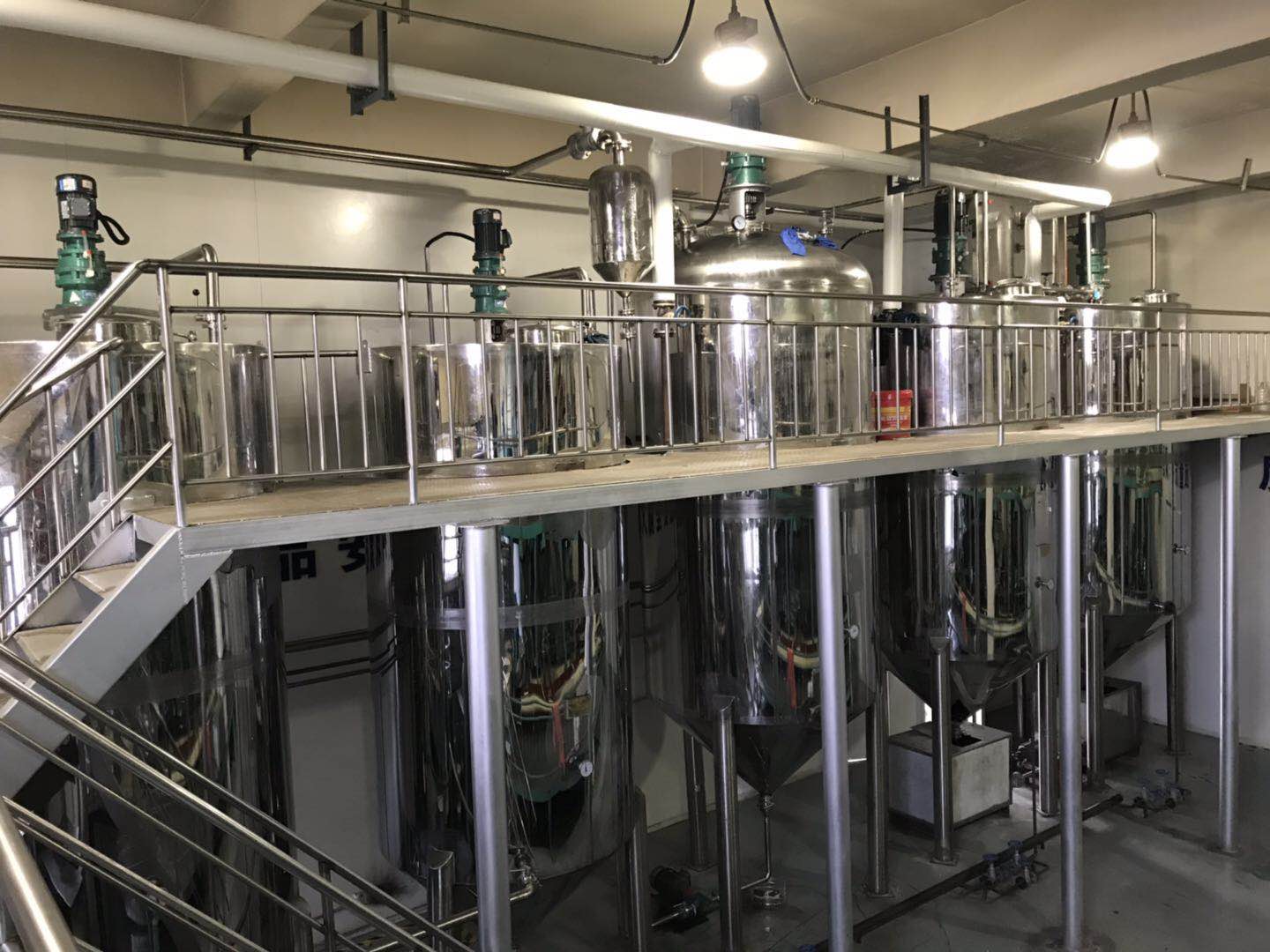
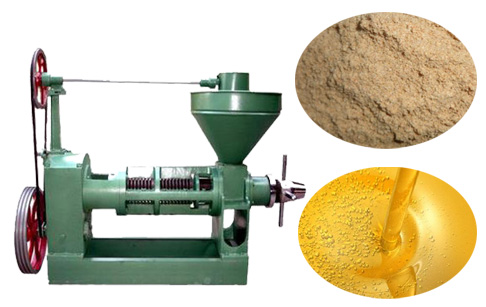
Selecting the right sunflower seed oil production equipment is a strategic decision that profoundly affects operational efficiency and return on investment. For enterprises striving to optimize factory layouts, understanding and assessing equipment compatibility is critical. This guide delves into three vital evaluation dimensions – process compatibility, capacity matching, and maintenance ease – presenting a data-driven framework enhanced by real-world supplier case studies and project feedback to ensure scientifically sound procurement choices.
Process compatibility refers to how well the equipment integrates with the existing or planned cold-press extraction and refining workflows for sunflower seed oil. This factor underpins product quality consistency and operational stability.
Key indicators to evaluate include:
Over 78% of procurement specialists report that inadequate process compatibility leads to costly retrofits or suboptimal extraction efficiency. This underlines the necessity of rigorous technical due diligence before purchase.
Accurately matching equipment capacity to production volume is imperative for operational balance. Oversized machines inflate capital expenditure and operating costs; undersized ones bottleneck production growth.
Capacity evaluation should consider:
Case studies from mid-sized producers showed that tailoring capacity within 5-15 tons/day range improved both operational cost by 12% and oil yield by 3%, compared to generic over-spec equipment.
Maintenance convenience determines long-term equipment reliability and Total Cost of Ownership (TCO). Enterprise decision-makers need to appraise ease of servicing, parts availability, and supplier support.
Data from industry surveys highlight up to a 30% reduction in unscheduled downtime when modern monitoring is implemented, enabling smoother operation cycles.
To validate the above dimensions, enterprises should adopt a structured evaluation workflow:
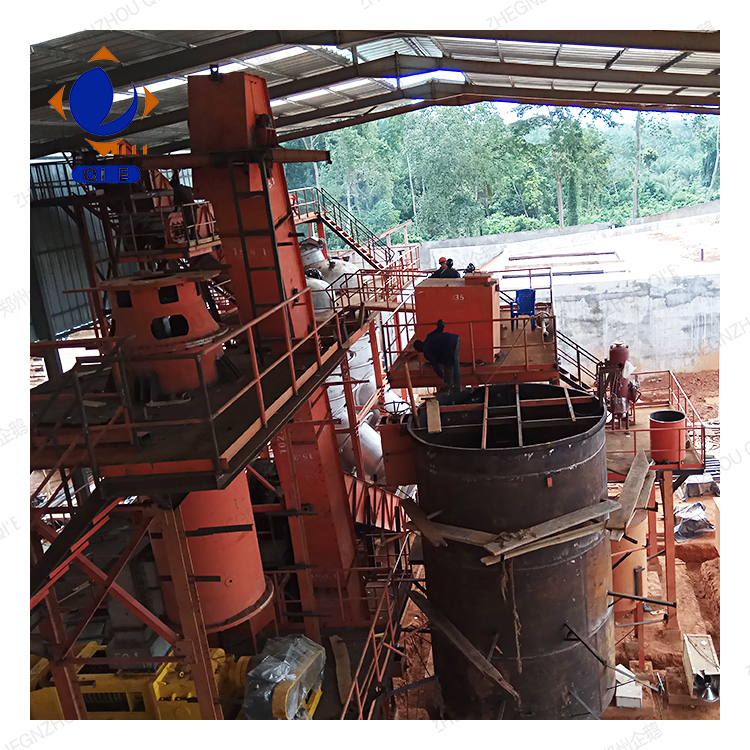
Recognizing differing operational priorities and budgets, here are evidence-based recommendations:
| Enterprise Scale | Capacity Focus | Maintenance Strategy | Investment Considerations |
|---|---|---|---|
| Small Scale (≤5 tons/day) | Compact units with modular expansion ability | Emphasis on ease of parts replacement and remote support | Avoid complex automation; focus on reliability and cost-effectiveness |
| Mid Scale (5-15 tons/day) | Balanced throughput with scalable modules | Scheduled preventive maintenance and monitoring integration | Optimize energy efficiency and equipment lifecycle costs |
| Large Scale (>15 tons/day) | High throughput with advanced automation capabilities | Comprehensive on-site technical teams and real-time data analytics | Invest in cutting-edge technology for maximum yield and minimal downtime |
Foregoing an impulsive buy, savvy companies meticulously map the purchase lifecycle:
Low pricing often conceals hidden costs such as excessive energy consumption or unreliable components. Over-specification creates unnecessary complexity leading to higher maintenance burdens. Enterprise buyers must balance initial cost with long-term performance indicators to safeguard their investment.
The Penguin Group recommends enterprise decision makers leverage this nuanced approach in their procurement processes to cultivate production excellence. Detailed assessments grounded in firm data and field experience are indispensable to maximizing equipment ROI and strengthening market competitiveness.

 297
|
297
|
 High-quality cold-pressed sunflower oil selection
How to distinguish cold-pressed sunflower oil
Cold-pressed oil nutritional component detection
Sunflower oil purchase guide
Cold-pressing process identification method
90
|
Cold - pressed sunflower oil
Low - temperature pressing technology
Natural nutrients
Healthy cooking oil
Antioxidant vegetable oil
188
|
cold pressed sunflower oil
sunflower oil extraction technology
healthy cooking oil
low temperature oil pressing
nutrient retention in oils
200
|
Cold-pressed sunflower oil equipment
Sunflower oil cold-pressing process
Healthy oil extraction
Cold-pressed oil maintenance skills
Sunflower oil production process
High-quality cold-pressed sunflower oil selection
How to distinguish cold-pressed sunflower oil
Cold-pressed oil nutritional component detection
Sunflower oil purchase guide
Cold-pressing process identification method
90
|
Cold - pressed sunflower oil
Low - temperature pressing technology
Natural nutrients
Healthy cooking oil
Antioxidant vegetable oil
188
|
cold pressed sunflower oil
sunflower oil extraction technology
healthy cooking oil
low temperature oil pressing
nutrient retention in oils
200
|
Cold-pressed sunflower oil equipment
Sunflower oil cold-pressing process
Healthy oil extraction
Cold-pressed oil maintenance skills
Sunflower oil production process
 475
|
Cold - pressed sunflower oil quality indicators
Sunflower oil authoritative testing and certification
How to distinguish cold - pressed oil
Export compliance standards for sunflower oil
Healthy edible oil selection guide
475
|
Cold - pressed sunflower oil quality indicators
Sunflower oil authoritative testing and certification
How to distinguish cold - pressed oil
Export compliance standards for sunflower oil
Healthy edible oil selection guide

.jpg)