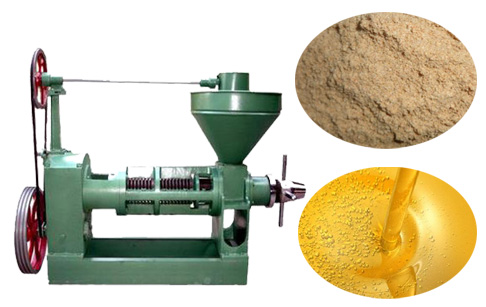
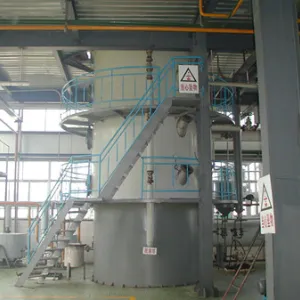
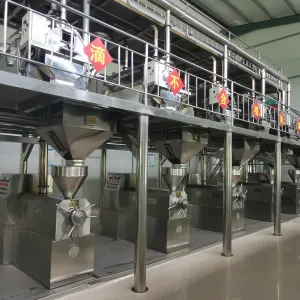
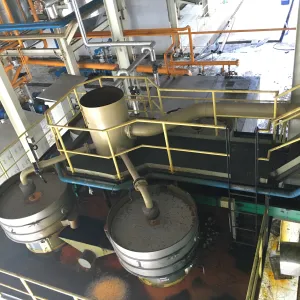
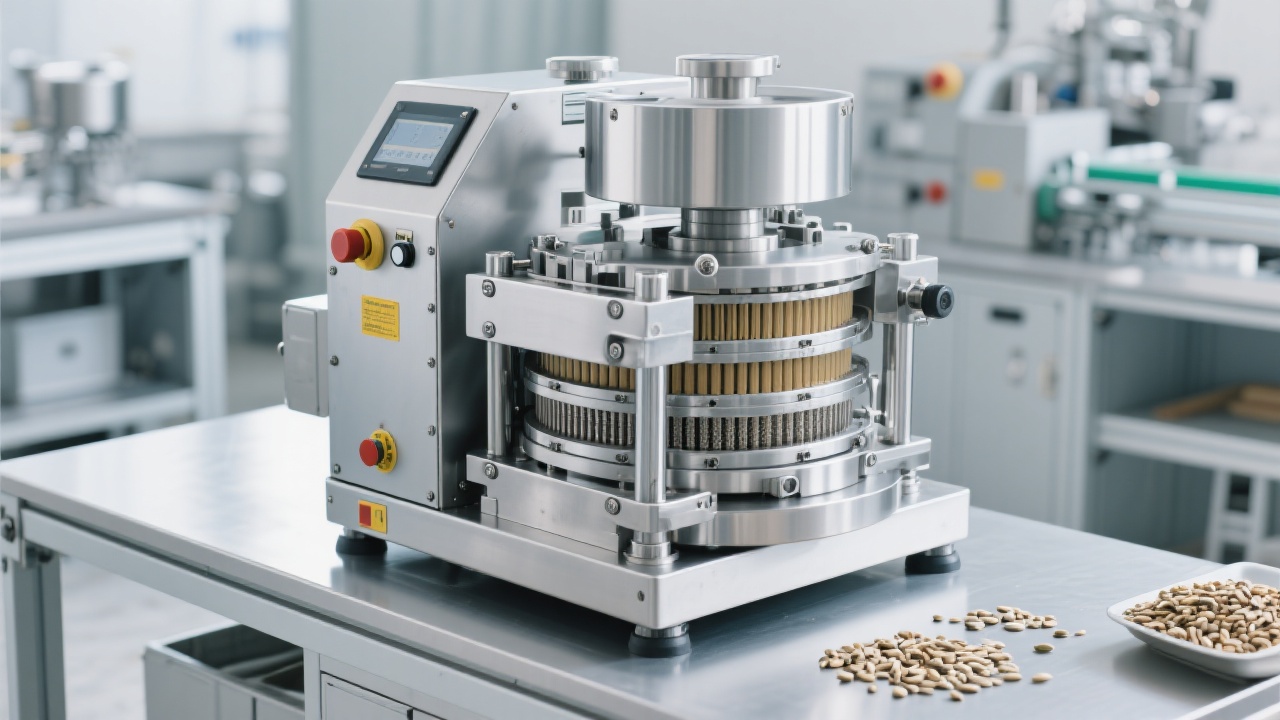
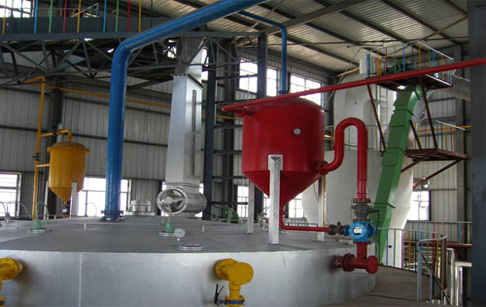
As a decision-maker or technical specialist in oil mill operations, the compatibility of your sunflower seed oil production equipment directly impacts both your production efficiency and final product quality. This detailed guide equips you with the essential factors to evaluate equipment that supports both cold pressing and refining processes in a seamless, integrated workflow.
The cornerstone of selecting appropriate machinery lies in its ability to harmonize cold pressing extraction techniques with subsequent refining stages. A production line that supports continuous oil flow without compromise reduces contamination risks and preserves nutritive qualities crucial for high-grade sunflower oil.
Key considerations include:
Failing to verify these parameters often results in operational pauses or product degradation, eroding production ROI significantly.
Accurate production capacity planning is critical. Your equipment must be selected to handle the targeted daily processing volume, typically ranging from 5 to 30 tons for small to mid-size plants, without underutilization or strain.
Overcapacity leads to unnecessary capital expenditure and running costs, while undersized machines cause process inefficiency and bottlenecks.
| Daily Capacity (Tons) | Recommended Cold Pressing Equipment | Recommended Refining Capacity |
|---|---|---|
| 5 - 10 | Small batch cold pressers, 50-70kg/hour | Mini refining units: capacity 0.5 - 1 ton/hour |
| 10 - 20 | Medium scale cold press machines, 120-150kg/hour | Refining systems: 1 - 1.5 ton/hour |
| 20 - 30+ | Industrial cold pressing lines, 200+ kg/hour | Large scale refining: 2+ ton/hour |
The structural design of both pressing and refining equipment directly influences downtime and operational longevity. Machines with modular components, quick-disassemble features, and accessible cleaning ports allow faster routine maintenance and reduce contamination risk.
For example, smooth interior surfaces minimize oil adhesion, while replaceable wear parts extend equipment lifespan. Investing in such intelligent design yields long-term savings and fewer forced shutdowns.
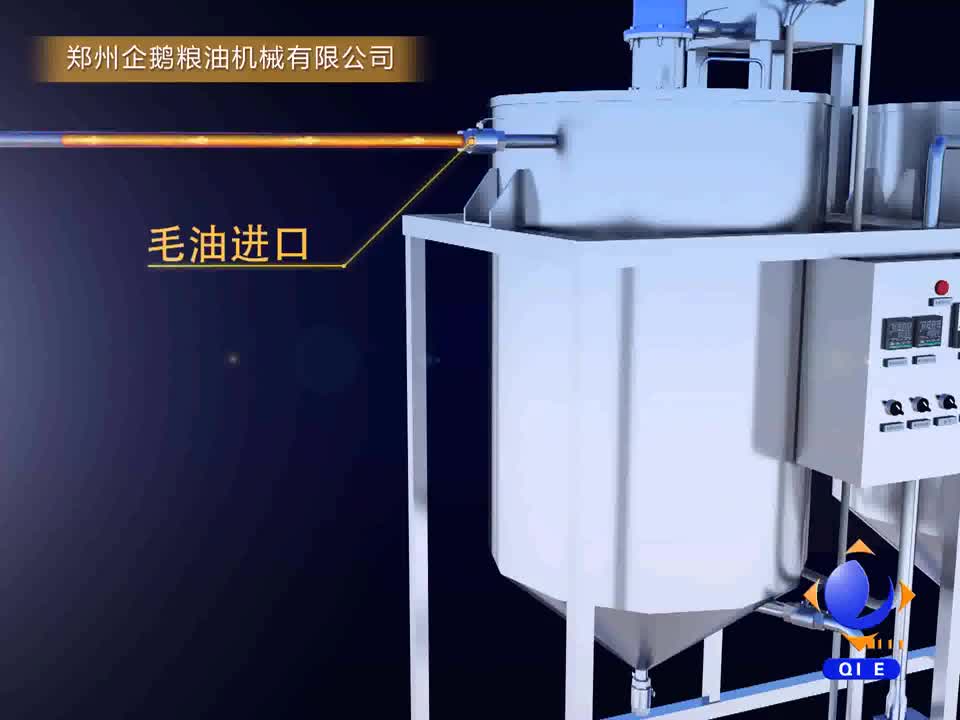
Despite the clear selection criteria, operators often fall into traps such as:
Conduct thorough supplier background checks by requesting references, reviewing project portfolios, and auditing factory capabilities. Additionally, insist on live equipment trials on your site wherever possible to validate stated performance.
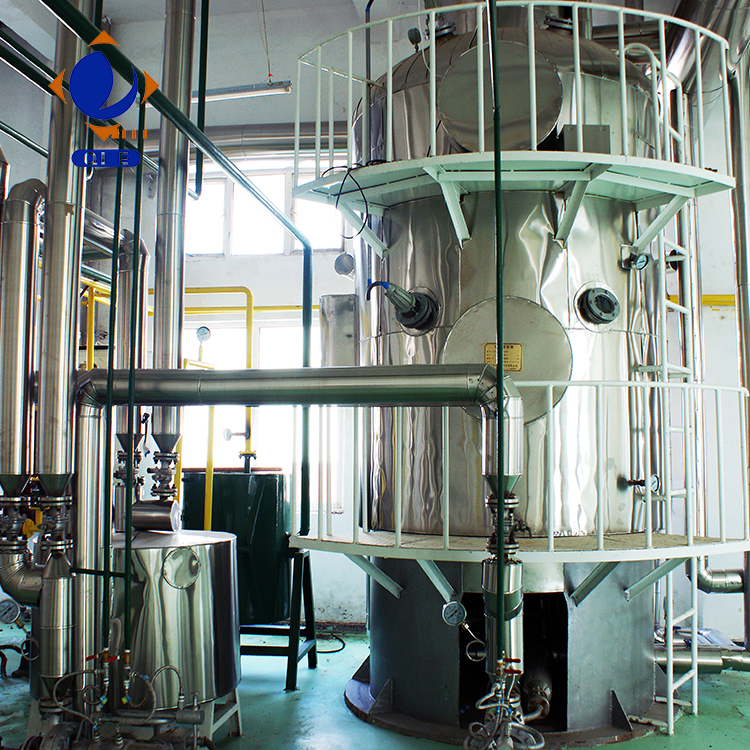
- Small Enterprises: Opt for compact, multi-functional cold pressing units with integrated mini-refining to maximize footprint and investment efficiency.
- Mid-Sized Plants: Modular equipment that allows incremental capacity expansion supports growth while ensuring process consistency.
- Large Industrial Operations: Invest in high-throughput, automated lines with comprehensive monitoring to sustain quality at scale.

 462
|
462
|
 cold pressed sunflower oil machine
small medium oil mill upgrades
cold pressing technology benefits
sunflower oil production process
healthy vegetable oil extraction
329
|
Cold - pressed sunflower oil machine
Small oil processing equipment
Oil cold - pressing technology
Equipment maintenance skills
Healthy sunflower oil production
cold pressed sunflower oil machine
small medium oil mill upgrades
cold pressing technology benefits
sunflower oil production process
healthy vegetable oil extraction
329
|
Cold - pressed sunflower oil machine
Small oil processing equipment
Oil cold - pressing technology
Equipment maintenance skills
Healthy sunflower oil production
 488
|
cold pressed sunflower oil
sunflower oil nutrition label
how to choose cold pressed oil
edible oil quality indicators
healthy cooking oil selection
418
|
cold-pressed sunflower oil
cold press technology benefits
healthy edible oil
low-temperature pressing process
sunflower oil nutrition retention
488
|
cold pressed sunflower oil
sunflower oil nutrition label
how to choose cold pressed oil
edible oil quality indicators
healthy cooking oil selection
418
|
cold-pressed sunflower oil
cold press technology benefits
healthy edible oil
low-temperature pressing process
sunflower oil nutrition retention
 475
|
Cold - pressed sunflower oil quality indicators
Sunflower oil authoritative testing and certification
How to distinguish cold - pressed oil
Export compliance standards for sunflower oil
Healthy edible oil selection guide
475
|
Cold - pressed sunflower oil quality indicators
Sunflower oil authoritative testing and certification
How to distinguish cold - pressed oil
Export compliance standards for sunflower oil
Healthy edible oil selection guide


.jpg)