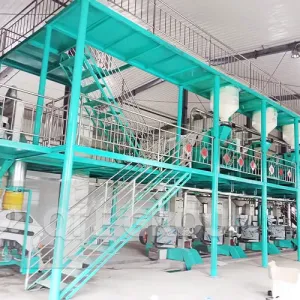
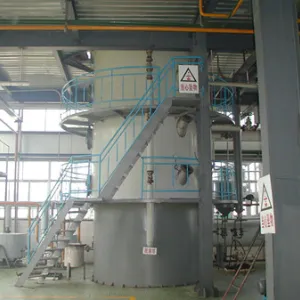
For sunflower oil producers aiming to boost yield while ensuring consistent quality, understanding the full processing chain—from raw material prep to final packaging—is critical. Industry data shows that optimized mechanical pressing and filtration can increase extraction efficiency by up to 12%, especially when combined with proper seed conditioning and HACCP-aligned hygiene protocols.
Contaminants like dust, stones, or broken kernels reduce oil yield and introduce impurities. According to a 2023 study published in the Journal of Food Engineering, removing just 1–2% of foreign matter during pre-cleaning can improve crude oil yield by 3–5%. Use magnetic separators and air classifiers for effective removal—these are standard in modern facilities meeting ISO 22000 requirements.
Single-stage screw presses typically extract 70–75% of oil from clean seeds, while dual-stage systems (with intermediate flaking) achieve 80–85%. For high-value edible oils, cold-press methods preserve more polyphenols and vitamin E—but at lower throughput. Choose based on your target market: premium health-conscious buyers prefer cold-pressed; industrial buyers prioritize cost-effective output.
This is where many producers lose both yield and reputation. A comparison of three common filter types reveals significant differences:
| Filter Type | Oil Clarity (NTU) | Yield Loss (%) | Maintenance Cost |
|---|---|---|---|
| Plate & Frame | 15–25 | 2–4% | Moderate |
| Bag Filter | 30–50 | 5–7% | Low |
| Crossflow Membrane | 5–10 | 1–2% | High (but long-term savings) |
Food-grade membrane filters not only reduce turbidity but also minimize microbial load—key for meeting EU and USDA standards. One technician from a Ukrainian refinery reported a 90% reduction in customer complaints after switching from bag filters to crossflow units.
Even the best oil loses credibility if stored improperly. Nitrogen flushing and UV-resistant bottles extend shelf life by 6–8 months compared to ambient air packaging. This simple step ensures compliance with global food safety norms—and builds trust with distributors who demand consistency.
Whether you're scaling production or optimizing existing lines, these steps form a proven framework used by leading manufacturers across Europe, South America, and Southeast Asia. By aligning process control with international standards, you’re not just improving numbers—you’re building brand equity.
Explore our range of precision filtration systems engineered for high-yield, food-safe processing.
See How Our Filters Boost Yield Up to 12%