Daily 5-Minute Check (Operator)
- Record ΔP, flow rate, vacuum level, inlet temperature
- Listen for pump cavitation / abnormal vibration
- Check drain points for water or sludge

If your sunflower oil vacuum filtration machine suddenly slows down, struggles to hold vacuum, or starts tripping alarms, the culprit is often simple: a clogged filter cartridge. In production, “simple” doesn’t mean “small”—clogging can cut throughput by 20–40% and increase downtime risk, especially when crude oil carries higher waxes, phospholipids, fines, or residual meal particles. This guide is written for your real operating scene: you’re on the line, pressure differential is rising, vacuum is unstable, and you need a safe, fast decision—clean, backflush, or replace—without compromising food safety compliance.
Sunflower oil looks “clean” when warm and flowing, but filtration is where hidden contaminants show up. Over time, cartridges load up with: fine solids (seed meal dust, rust fines), waxes (especially in cooler seasons), gums/phospholipids (pre-degumming variability), and occasional water microdroplets that accelerate fouling.
The result is a classic chain reaction: pore blockage → higher differential pressure → lower flow → longer residence time → more deposition. If you try to “push through” by increasing pump load, you often worsen compaction and shorten cartridge life.
When you’re troubleshooting, you want signals that are measurable and repeatable (good for audits and shift handover). Use this quick checklist:
Practical tip: if your plant uses trend logs, plot ΔP vs. flow rate. A steep ΔP increase with only a modest flow improvement is the signature of clogging rather than a normal viscosity shift.
Your goal is to restore stable production without forcing contaminated oil through and without damaging the cartridge structure.
Not every cartridge is meant to be cleaned—always follow the cartridge supplier’s food-contact guidance. In many edible-oil applications, plants clean stainless steel mesh or certain reusable sintered metal elements, while melt-blown PP or depth media cartridges are typically replaced rather than washed (washing can cause fiber shedding or channeling).
If your cartridge repeatedly clogs with fine solids or wax-like deposits, ultrasonic cleaning often restores permeability more consistently than manual rinsing.
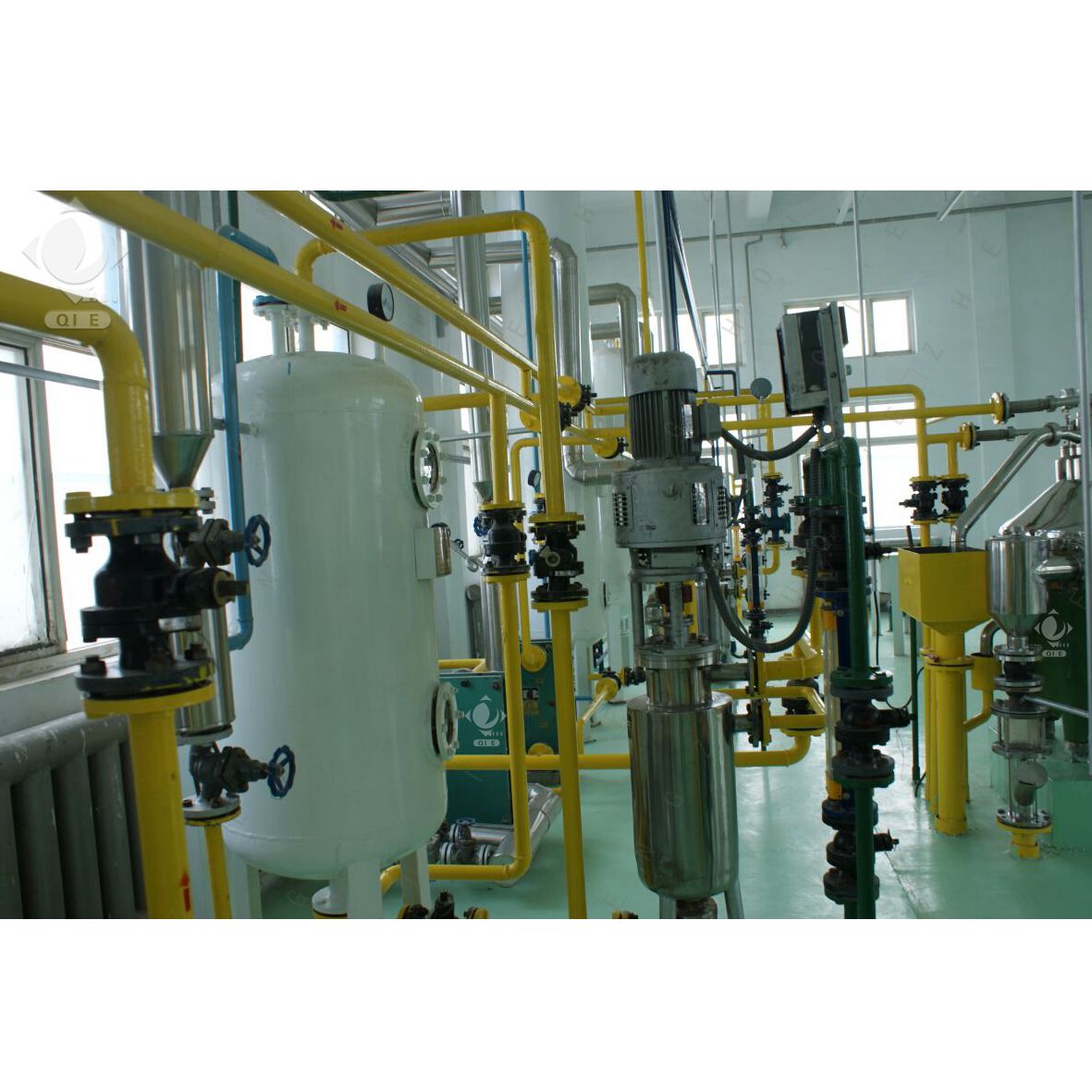
If after cleaning your ΔP returns to “high” within the first 30–60 minutes of operation, the cartridge may be permanently blinded or structurally compromised. In that case, replacement is safer than repeated washing—especially in food-grade sunflower oil where consistency and compliance matter.
Replacement frequency is not “one number.” It depends on oil quality, pretreatment stability, temperature control, and daily runtime. Still, having a reference range helps you prevent emergency stops.
| Typical Condition | What You’ll Notice | Practical Replacement Range (Reference) | Control Lever |
|---|---|---|---|
| Stable crude oil, good pretreatment, steady temperature | ΔP rises slowly, predictable trend | 2–6 weeks or 200–600 operating hours | Trend-based replacement by ΔP slope |
| Higher fines/waxes, seasonal temperature swings | Sudden throughput drops, faster ΔP spikes | 1–3 weeks or 120–300 hours | Improve heating stability; add upstream strainer |
| Frequent product switching / unstable batches | More frequent cleaning, unclear baseline | 3–10 days or 60–200 hours | Create “oil source” maintenance profiles |
| Persistent emulsified water / poor settling | Cartridge blinds quickly; vacuum instability | 1–7 days (often replacement beats cleaning) | Address water ingress; verify separators & seals |
A reliable rule in edible oil filtration is to treat ΔP trend as your primary KPI and calendar time as a backup. If your ΔP reaches your internal limit quickly, your “cycle” is telling you something upstream has changed.
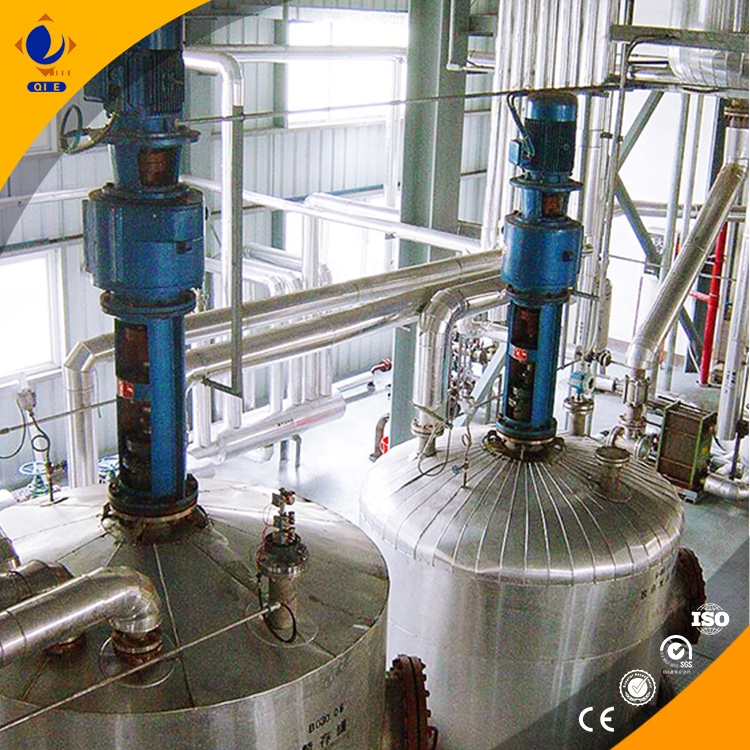
If you want fewer emergency cleanings, build a small “health file” for each vacuum filtration unit. This is not paperwork for its own sake—done right, it saves shifts.
Create a one-page “Clogging Response Flowchart”: ΔP rises → reduce feed → check temperature → confirm vacuum & seals → clean/replace cartridge → verify baseline ΔP.
Sometimes you replace cartridges and the problem returns immediately. That’s when you check the “supporting actors” that push the system into failure.
If seals are worn or fittings are loose, air ingress reduces effective vacuum. You’ll see longer time-to-vacuum, unstable readings, and sometimes more foaming. The key diagnostic is this: vacuum level worsens but ΔP does not. Fix the leak before blaming filtration media.
Cold oil increases viscosity, raising apparent ΔP and lowering flow. In sunflower oil lines, keeping a stable inlet temperature window (often 45–65°C, depending on your process and food safety limits) can prevent “false clogging” alarms and reduce wax deposition.
A change in crude oil supplier, insufficient settling time, or maintenance rust can flood your cartridge with fines. When that happens, the “right” response is not only cartridge work—add a temporary upstream strainer, verify tank bottom drains, and tighten raw oil inspection sampling.

 71
|
71
|
 Cold-pressed sunflower oil
Cold-pressing technology
Healthy cooking oil
Low-temperature pressing
Nutrient retention
297
|
High-quality cold-pressed sunflower oil selection
How to distinguish cold-pressed sunflower oil
Cold-pressed oil nutritional component detection
Sunflower oil purchase guide
Cold-pressing process identification method
Cold-pressed sunflower oil
Cold-pressing technology
Healthy cooking oil
Low-temperature pressing
Nutrient retention
297
|
High-quality cold-pressed sunflower oil selection
How to distinguish cold-pressed sunflower oil
Cold-pressed oil nutritional component detection
Sunflower oil purchase guide
Cold-pressing process identification method
.jpg?x-oss-process=image/resize,h_300,m_lfit/format,webp) 417
|
sunflower seed dehulling equipment
mid-scale sunflower oil production line
sunflower oil process flow
hot press vs cold press sunflower oil
sunflower oil refining and filtration
297
|
medium-scale sunflower oil production line configuration
sunflower oil production process
shell removal pressing technology
sunflower oil press machine selection
automatic packaging equipment
417
|
sunflower seed dehulling equipment
mid-scale sunflower oil production line
sunflower oil process flow
hot press vs cold press sunflower oil
sunflower oil refining and filtration
297
|
medium-scale sunflower oil production line configuration
sunflower oil production process
shell removal pressing technology
sunflower oil press machine selection
automatic packaging equipment
 474
|
Sunflower seed oil vacuum filter machine faults
filter cartridge clogging solutions
vacuum pressure drop troubleshooting
vacuum filter machine maintenance
industrial oil filtration equipment care
474
|
Sunflower seed oil vacuum filter machine faults
filter cartridge clogging solutions
vacuum pressure drop troubleshooting
vacuum filter machine maintenance
industrial oil filtration equipment care

.jpg)





.jpg?x-oss-process=image/resize,m_fill,h_400,w_400/format,webp)