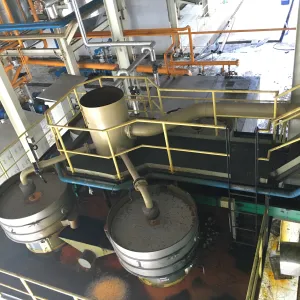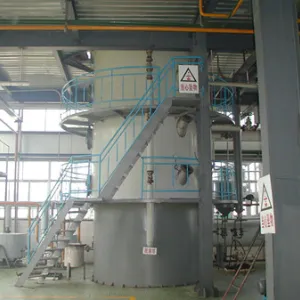
Sunflower oil production involves a series of crucial steps and equipment. Let's delve into the six key processes and how they contribute to producing high - quality sunflower oil that meets both food - grade and industrial - grade standards.
The first step in sunflower oil production is seed cleaning. Seeds may contain various impurities such as dirt, stones, and broken seeds. By using screening machines and air separators, up to 95% of these impurities can be removed. This not only improves the quality of the final product but also protects the subsequent processing equipment. After cleaning, the seeds are dehulled. Dehulling can increase the oil yield by about 5 - 10% as the hulls contain little oil and can interfere with the pressing process.
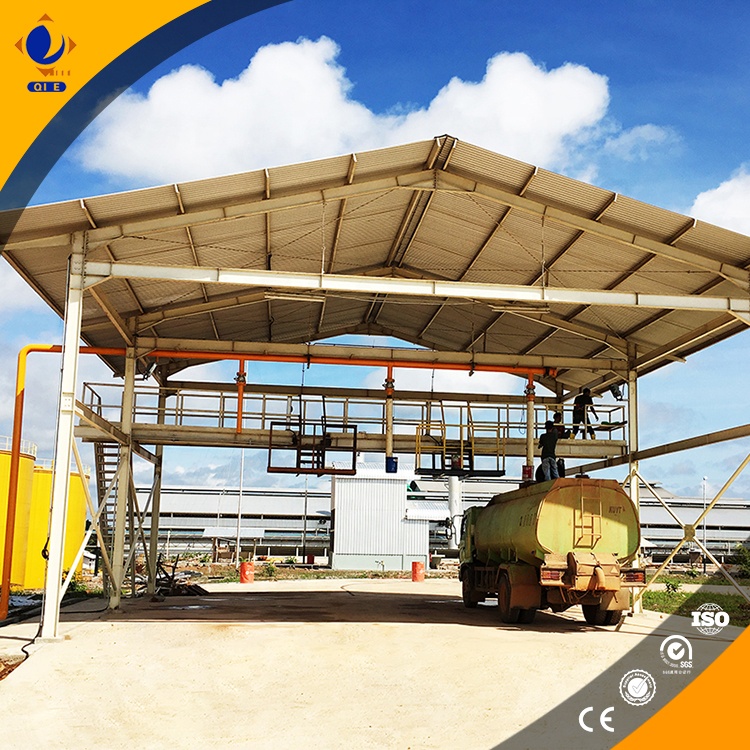
There are two main pressing methods: cold pressing and hot pressing. Cold pressing is carried out at a temperature below 60°C, which preserves more nutrients and natural flavors in the oil. However, the oil yield is relatively low, usually around 30 - 35%. Hot pressing, on the other hand, involves heating the seeds to 100 - 120°C before pressing, which can increase the oil yield to 40 - 45%. But it may also cause some loss of nutrients. For example, in a medium - sized oil mill, choosing the appropriate pressing method based on market demand and product positioning is crucial.
After pressing, the crude oil contains a certain amount of solid impurities such as seed residues. Filtration is used to remove these impurities. Plate - and - frame filters are commonly used, which can effectively filter out particles larger than 10 - 20 microns. By ensuring a high - quality filtration process, the clarity and stability of the oil can be significantly improved.
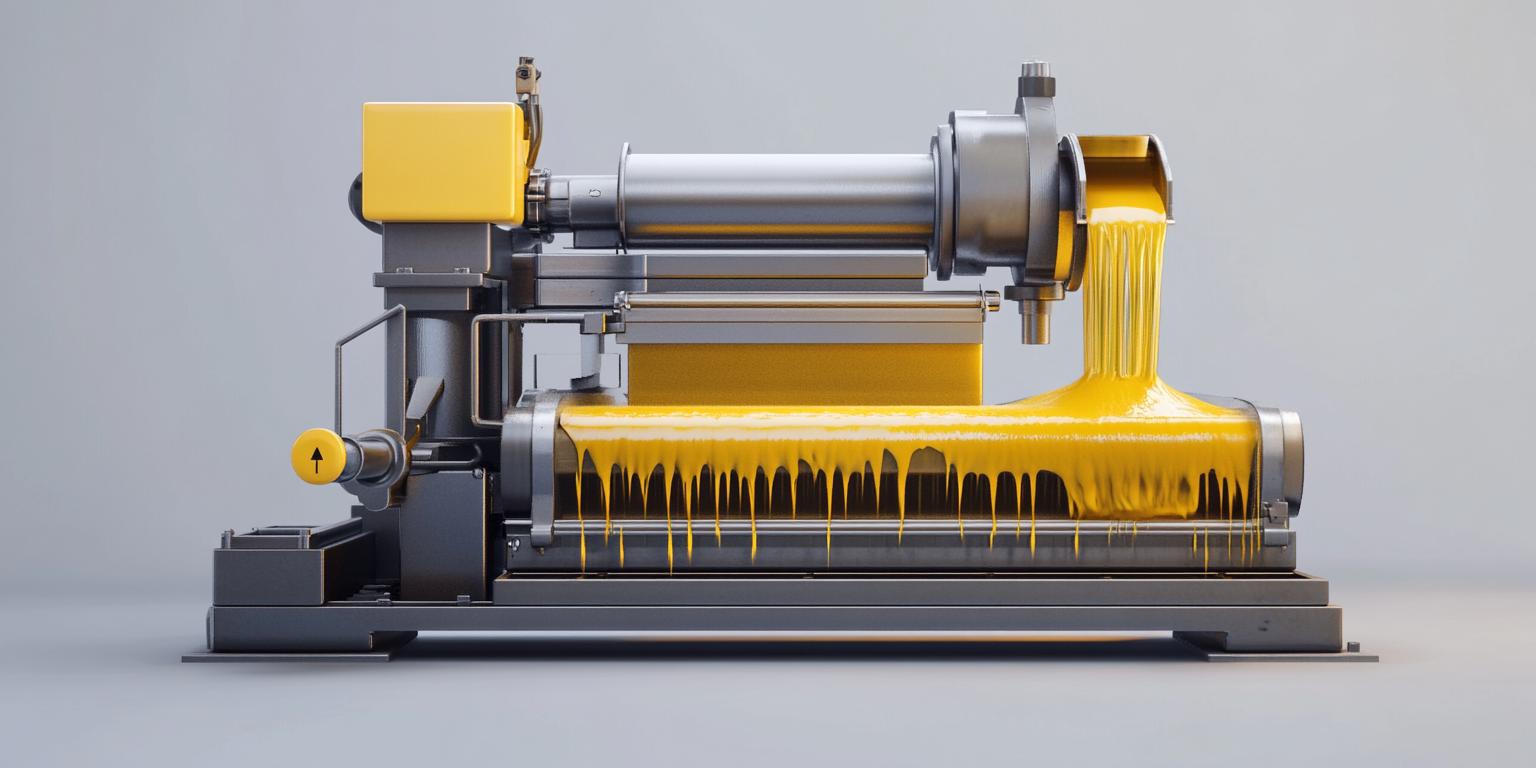
Refining is a key process to improve the quality of sunflower oil. It includes degumming, neutralization, bleaching, and deodorization. Degumming can remove phospholipids in the oil, usually reducing the phospholipid content to less than 50 ppm. Neutralization is used to remove free fatty acids, and the acid value of the oil can be reduced to less than 0.1 mg KOH/g. Bleaching uses activated clay to adsorb pigments and other impurities, improving the color of the oil. Deodorization can remove unpleasant odors and volatile substances, making the oil more palatable and suitable for different applications.
The final step is filling. Automatic filling machines can ensure accurate filling volume and high - speed production. For example, a modern filling machine can fill 50 - 100 bottles per minute, improving production efficiency and product consistency.
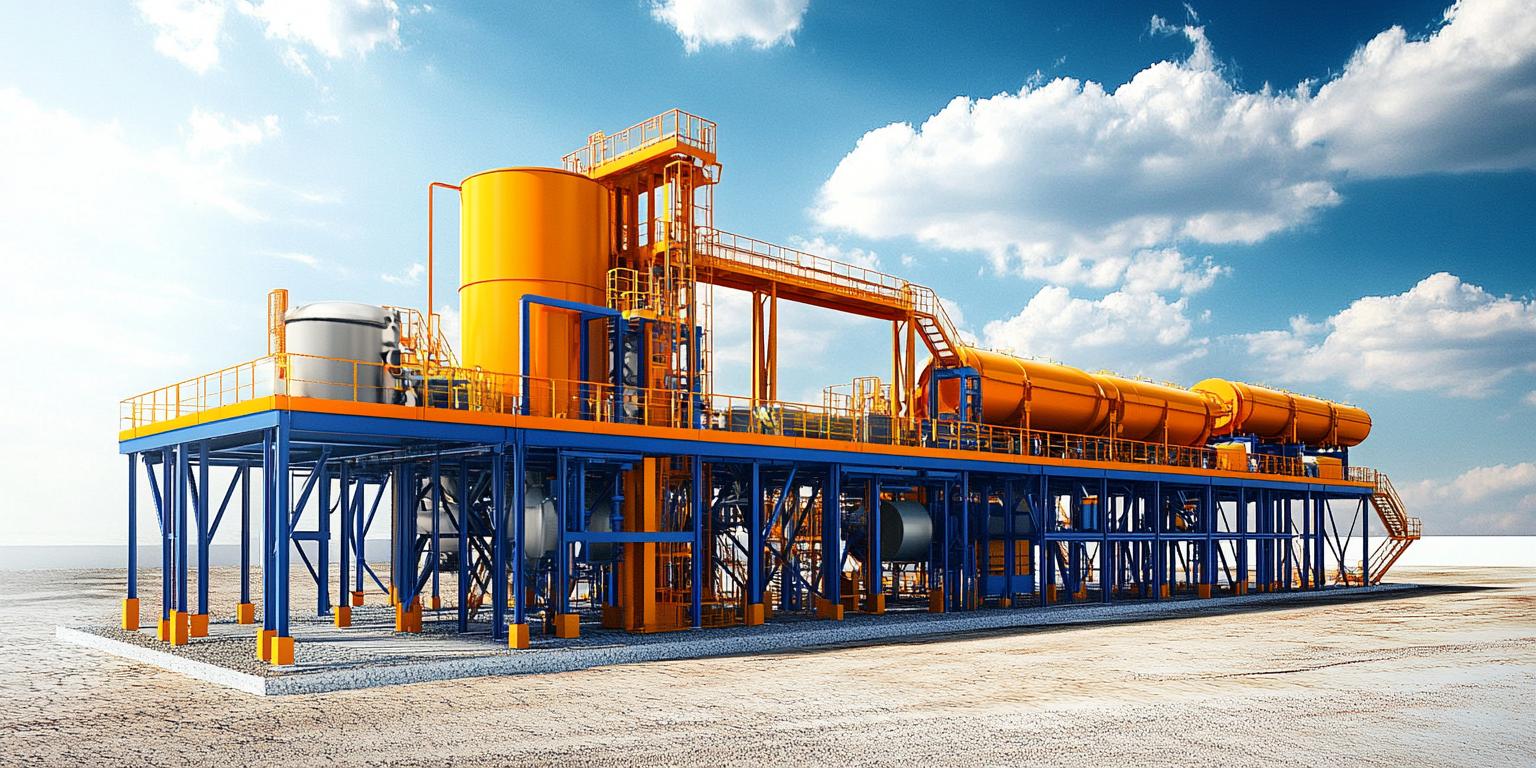
To optimize the sunflower oil production process, it is necessary to pay attention to equipment maintenance and process selection. Regular equipment maintenance can extend the service life of the equipment and ensure stable production. For example, cleaning the filters regularly can prevent clogging and ensure efficient filtration. Choosing the right process, such as the appropriate pressing method and refining process, can improve the oil yield and quality, meeting different market demands.
If you are a small or medium - sized oil mill looking to build or upgrade your production line, our comprehensive guide can provide you with the most professional guidance and solutions. Click here to access more detailed information and video resources, and take your sunflower oil production to the next level!