With sunflower oil varieties flooding the market, you may find yourself overwhelmed and uncertain about which product truly delivers quality and health benefits. If you crave authentic cold-pressed sunflower oil that supports your well-being, learning how to judge its quality based on scientific criteria is essential.
“Only by understanding what makes cold-pressed sunflower oil pure can you avoid inferior oils that may harm your health. Your kitchen deserves better.”
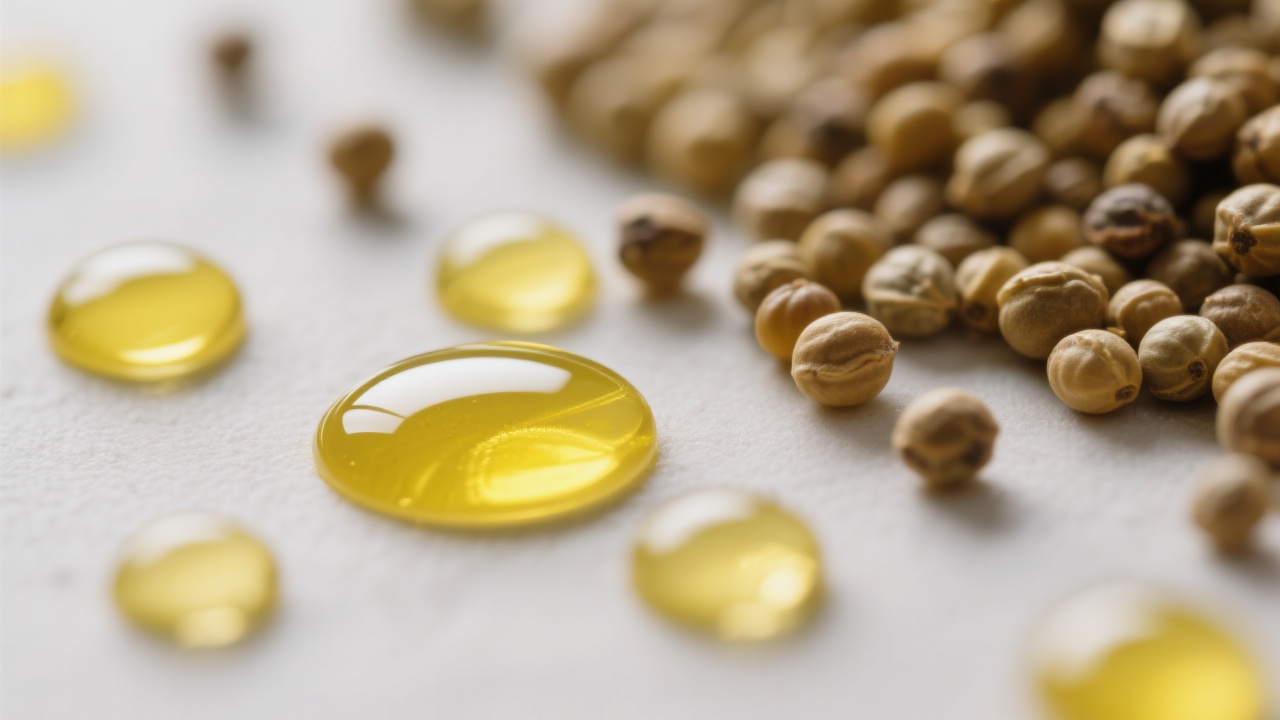
The color of genuine cold-pressed sunflower oil typically ranges from light golden yellow to amber. This natural hue signals minimal heat exposure during extraction, preserving delicate nutrients and antioxidants.
A deep amber with cloudy sediment can also indicate unrefined cold-pressed oil, depending on filtration. Beware of overly clear or pale yellow oils labeled as cold-pressed, as aggressive refining or blending may have stripped their natural qualities.

The authentic cold-pressed sunflower oil emits a gentle nutty, slightly sweet aroma, free from any burnt or rancid notes. This scent reflects the unaltered natural compounds preserved by cold pressing.
If you detect a harsh or chemical smell, it may indicate the use of heat or solvents, which degrade oil quality and nutritional value.
High-quality cold-pressed sunflower oil contains elevated levels of Vitamin E (tocopherols) and polyphenols, natural antioxidants that offer robust anti-inflammatory and cardiovascular benefits.
Independent lab results should show Vitamin E content around 40–60 mg per 100g and total polyphenols over 100 mg per kg. You can request third-party testing data or certificates to verify these figures.
| Nutrient | High-Quality Cold-Pressed Range | Common Inferior Oil Range |
|---|---|---|
| Vitamin E (mg/100g) | 40 – 60 | < 20 |
| Polyphenols (mg/kg) | ≥ 100 | < 50 |
Reading labels carefully is crucial. Labels should clearly indicate:
Beware of vague terms like “Natural” or “Pure” without supporting information.
Let's look at two sunflower oil products from the local market:
It's easy to see how Brand B offers true quality while Brand A may misrepresent its oil, possibly exposing you to oxidized compounds with health risks.
Many buyers mistakenly equate price with quality or trust superficial packaging. Instead, combining sensory evaluation with nutritional data and label scrutiny ensures you pick the healthiest oil for your home and business.

 324
|
324
|
 success stories
customer feedback
case analysis
success stories
customer feedback
case analysis
 286
|
["soybean processing line"
"multi-functional oilseed processing"
"automated oil extraction system"
"energy-efficient soybean press"
"oilseed line maintenance"]
286
|
["soybean processing line"
"multi-functional oilseed processing"
"automated oil extraction system"
"energy-efficient soybean press"
"oilseed line maintenance"]
 496
|
sunflower seed oil
oil press machine
efficient extraction
496
|
sunflower seed oil
oil press machine
efficient extraction
 54
|
sunflower oil yield optimization
automated hulling machine
sunflower oil pressing technology
oil extraction process improvement
industrial oil processing automation
54
|
sunflower oil yield optimization
automated hulling machine
sunflower oil pressing technology
oil extraction process improvement
industrial oil processing automation
 323
|
Sunflower oil production technology
Sunflower seed oil yield
Cold - pressing and hot - pressing
Oil processing equipment
Sunflower oil refining process
323
|
Sunflower oil production technology
Sunflower seed oil yield
Cold - pressing and hot - pressing
Oil processing equipment
Sunflower oil refining process