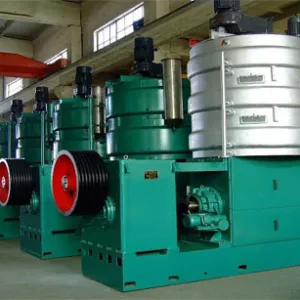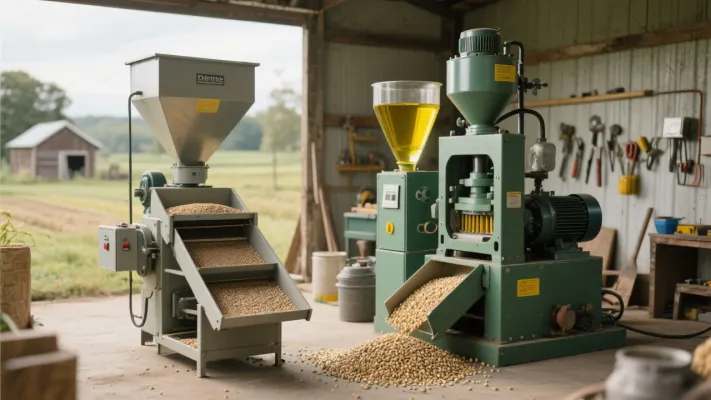
In the production of sunflower oil, the cleanliness of raw materials serves as the cornerstone of quality. Impurities in sunflower seeds can significantly impact subsequent processing steps. For example, metal particles or large debris can damage equipment during the pressing process. Magnetic separators are commonly used in the industry. These devices can effectively remove metal impurities, with a removal efficiency of up to 95%. By using such equipment, we can ensure that the raw materials entering the next stage are as clean as possible, laying a solid foundation for high - quality oil production. Our advanced magnetic separators are designed to work continuously, providing a stable and efficient solution for raw material cleaning.
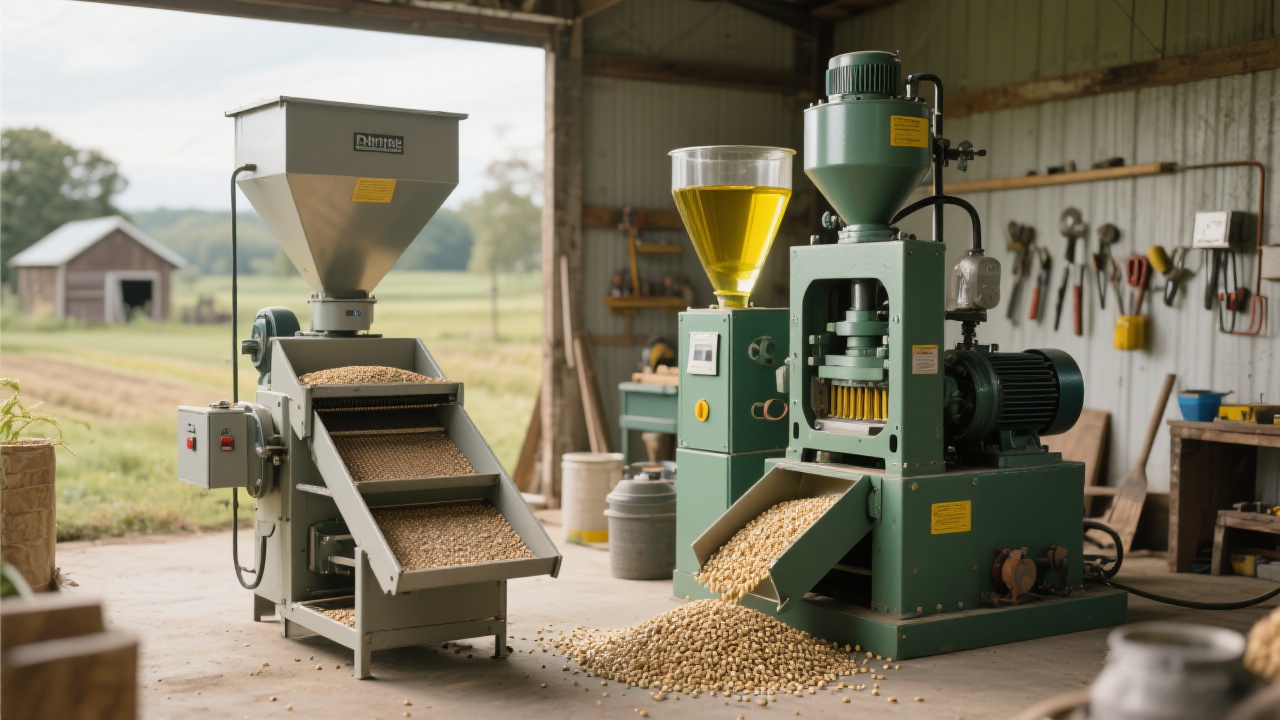
The shelling process is crucial for determining the oil yield of sunflower seeds. There are two main methods: manual and mechanical shelling. Manual shelling is labor - intensive and has low efficiency, with an average shelling rate of about 80%. In contrast, mechanical shelling, especially with automated equipment, can achieve a shelling rate of over 90%. Automated shelling machines not only improve efficiency but also ensure the consistency of the shelling process. Our automated shelling equipment is equipped with advanced sensors and control systems, which can adjust the shelling parameters according to the characteristics of different batches of sunflower seeds, ensuring high - quality shelling results every time.
When it comes to pressing sunflower seeds, there are two main options: cold - pressing and hot - pressing. Cold - pressing is carried out at a relatively low temperature (below 60°C), which can retain more nutrients such as vitamins and antioxidants in the oil. However, the oil yield of cold - pressing is relatively low, usually around 30 - 35%. Hot - pressing, on the other hand, is done at a higher temperature (around 120 - 130°C), which can increase the oil yield to 40 - 45%. But it may cause some loss of nutrients due to oxidation. Our equipment can support both cold - pressing and hot - pressing methods, allowing producers to choose according to their market demand and product positioning.
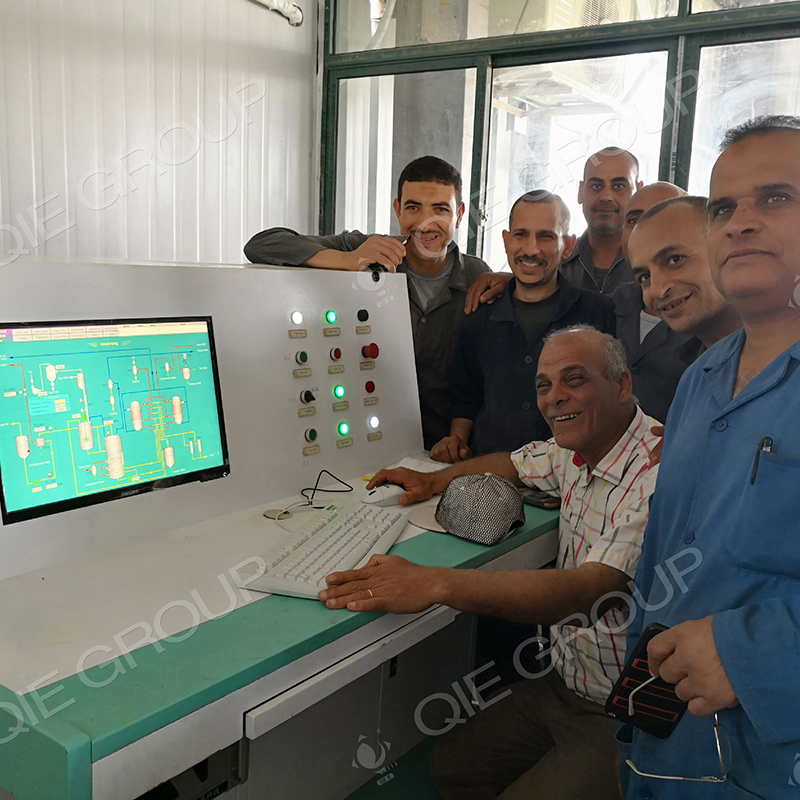
The clarity of the final sunflower oil product depends largely on the filtration process. Centrifugal separation and automatic back - washing filter elements are two effective solutions. Centrifugal separators can quickly separate solid particles from the oil, with a separation efficiency of up to 98%. Automatic back - washing filter elements can continuously clean themselves during the filtration process, ensuring stable filtration performance. Our equipment is equipped with an automatic back - washing filter element system, which can stably achieve high - precision filtration, ensuring that the final product is clear and free of impurities.
The refining process is essential for extending the shelf life of sunflower oil. Key technologies include vacuum deodorization and phospholipid removal. Vacuum deodorization can effectively remove unpleasant odors from the oil, improving its flavor. Phospholipid removal can prevent the oil from oxidizing and spoiling during storage. Our refining equipment uses advanced vacuum technology and precise control systems to ensure that the refining process is carried out efficiently and accurately, extending the shelf life of the oil by up to 1 - 2 years.
In the packaging stage, aseptic filling is the key to preventing microbial growth and extending the shelf life of the product. Aseptic filling systems can create a sterile environment during the filling process, effectively preventing the intrusion of microorganisms. Our aseptic filling equipment uses advanced sterilization technology and air - tight packaging design, ensuring that the product remains fresh and safe during storage and transportation.
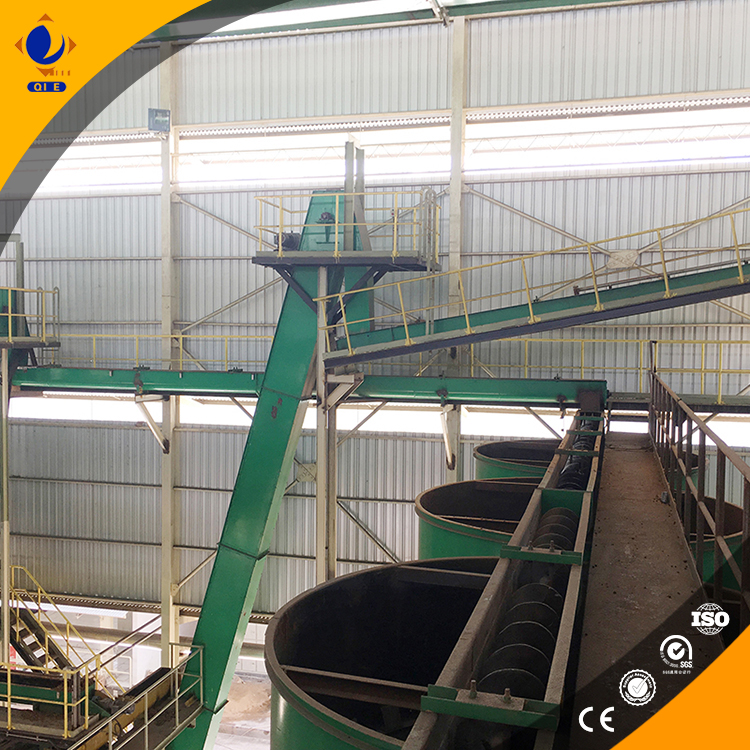
Each stage in the sunflower oil production process is interrelated. By integrating these key control points, we can form a closed - loop quality control system. This system not only complies with food industry regulations such as HACCP and ISO 22000 but also ensures that the final product is of high quality, with pure flavor and strong market competitiveness. Are you ready to upgrade your sunflower oil production process with our advanced equipment and solutions?