
This article systematically analyzes the key technologies in the whole - process quality control of sunflower oil. Starting from raw material cleaning, shelling, pressing, filtering, refining to aseptic filling, it gradually breaks down the impact of each link on the final oil quality. By combining food safety standards and front - line practical experience, it aims to help production managers establish a scientific and rigorous quality management system.
The quality of raw materials is the foundation of sunflower oil production. As front - line technicians point out, thorough cleaning of sunflower seeds can remove up to 95% of impurities such as soil, sand, and plant debris. According to industry standards like HACCP and ISO 22000, strict control of raw material quality is essential. After cleaning, the shelling process is crucial. Different shelling technologies can have a significant impact on the subsequent oil extraction. For example, using advanced shelling equipment can ensure a shelling rate of over 98%, reducing the risk of introducing shell fragments into the oil, which may cause metal impurities in the final product.

There are several pressing methods available for sunflower oil production, including cold - pressing and hot - pressing. Cold - pressing can preserve more nutrients and natural flavors in the oil, but the oil yield is relatively low, usually around 30% - 35%. On the other hand, hot - pressing can increase the oil yield to 40% - 45%, but it may cause some oxidation of the oil. Based on front - line experience, choosing the appropriate pressing method according to market demand and product positioning is vital. High - performance pressing equipment can also improve the efficiency and quality of the pressing process, ensuring a more stable oil output.
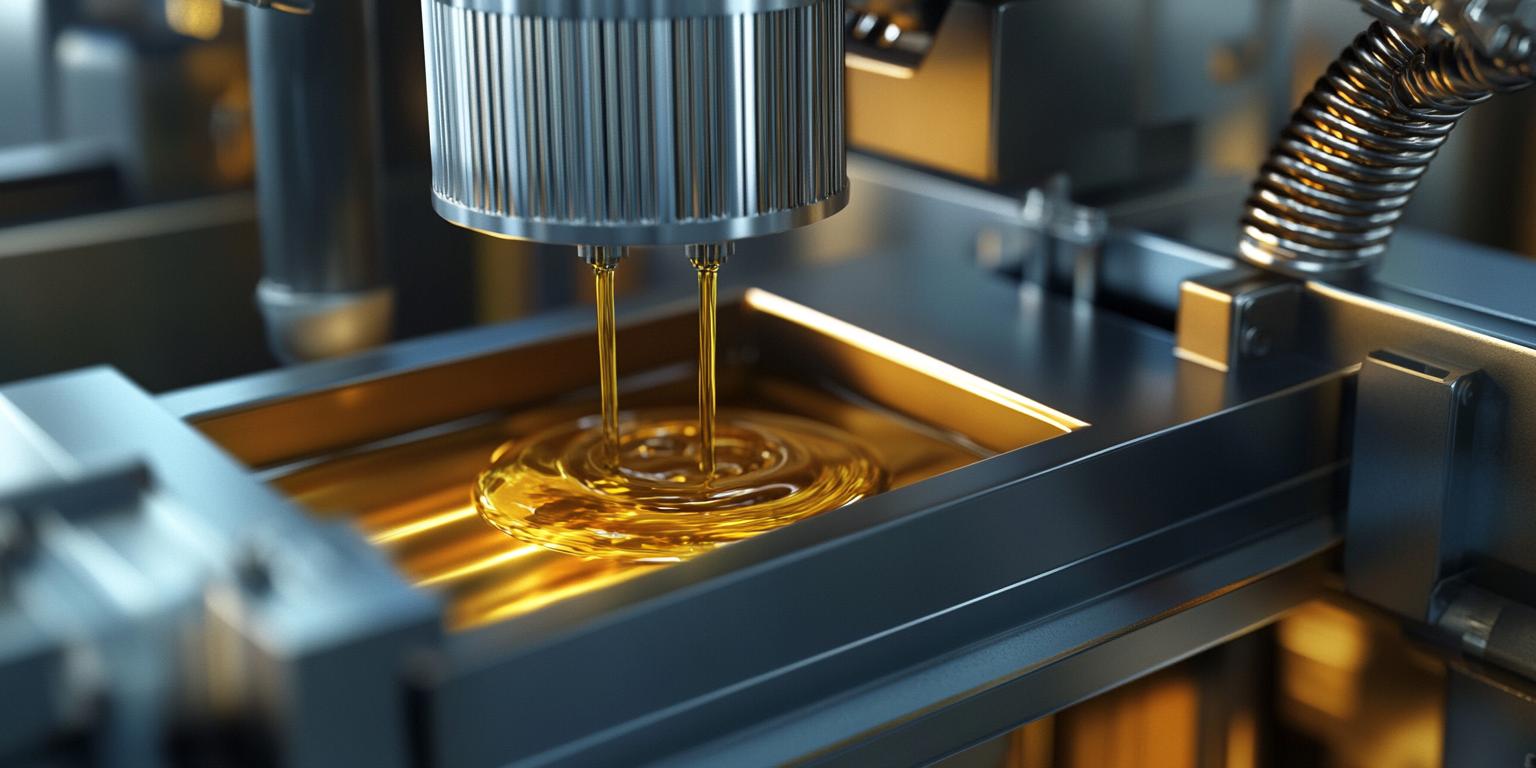
After pressing, the crude oil needs to go through a filtering process. High - precision filtering equipment can effectively remove fine particles, such as metal impurities and residual shell fragments, ensuring the clarity of the oil. Filtering can remove up to 99% of visible impurities. The refining process further improves the quality of the oil by removing free fatty acids, pigments, and odors. According to industry standards, the acid value and peroxide value of refined sunflower oil should meet strict requirements to ensure its safety and stability. Advanced refining equipment can precisely control these parameters, resulting in high - quality refined oil.

The final step in sunflower oil production is aseptic filling. This process is crucial for preventing microbial contamination and extending the shelf - life of the product. Aseptic filling equipment can create a sterile environment during the filling process, reducing the risk of microbial growth to less than 1%. By strictly following food safety standards, such as ISO 22000, the quality and safety of the filled oil can be guaranteed. High - end aseptic filling machines can accurately control the filling volume and ensure a tight seal, maintaining the freshness of the oil.
Throughout the production process, there are various potential pollution sources. Metal impurities can come from equipment wear and raw material contamination. Oxidation can occur during pressing and storage, leading to a decrease in oil quality. Microbial contamination can happen at any stage, especially in the filling process. To prevent these problems, strict quality control measures should be implemented at each stage. For example, regular equipment maintenance can reduce the risk of metal impurities, and proper storage conditions can prevent oxidation.
In conclusion, by comprehensively controlling the quality of each link in sunflower oil production, from raw material cleaning to aseptic filling, production managers can establish a scientific and effective quality management system. This not only helps to improve the market competitiveness of sunflower oil but also enhances brand credibility. If you are interested in advanced equipment for sunflower oil production to better control product quality, click here to learn more.






.jpg?x-oss-process=image/resize,m_fill,h_300,w_300/format,webp)


