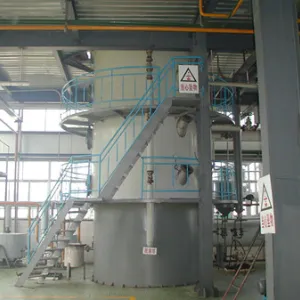
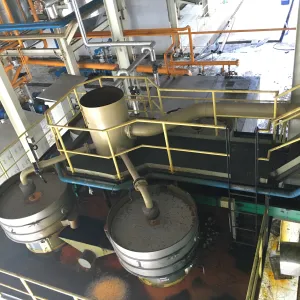
In the realm of sunflower oil production, selecting the right sunflower oil mill is crucial for maximizing efficiency and return on investment. This article delves into the intricacies of choosing the appropriate sunflower oil mill, providing a comprehensive guide for businesses of all sizes.
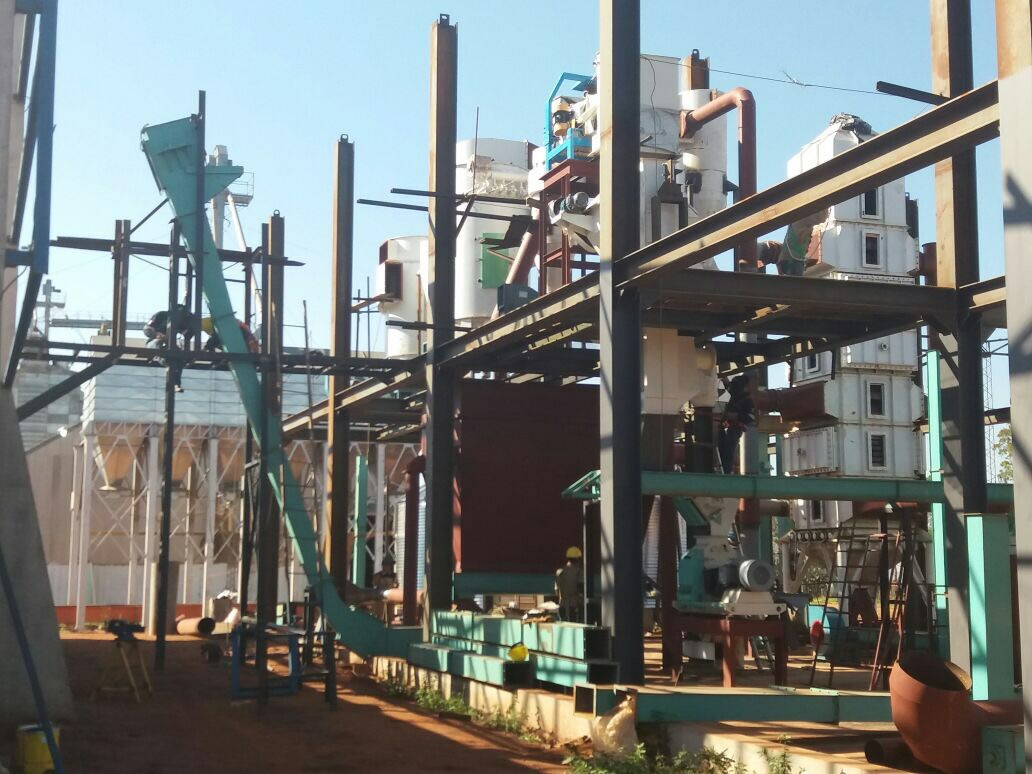
Sunflower oil mills typically feature a multifunctional processing flow, including cleaning, dehulling, pressing, and filtering. Each step plays a vital role in ensuring the quality and quantity of the final product.
The capacity of a sunflower oil mill is a critical factor to consider, as it directly affects production efficiency and cost. Sunflower oil mills come in various capacity ranges, from small-scale units suitable for small workshops to large-scale industrial units capable of processing hundreds of tons of sunflower seeds per day.
| Capacity Range | Suitable for | Production Efficiency | Cost Considerations |
|---|---|---|---|
| Small-scale (1-5 tons/day) | Small workshops and family businesses | Lower production volume, but more flexible | Lower initial investment and operating costs |
| Medium-scale (5-20 tons/day) | Medium-sized enterprises | Balanced production volume and efficiency | Moderate initial investment and operating costs |
| Large-scale (20+ tons/day) | Large industrial enterprises | High production volume and efficiency | Higher initial investment and operating costs, but lower unit cost |

When choosing a sunflower oil mill, businesses also need to consider whether to opt for a semi-automatic or fully automatic model. Semi-automatic models require some manual operation, while fully automatic models can perform most of the processing steps automatically.
Semi-automatic models are generally more affordable and suitable for small-scale operations. They offer more flexibility and can be easily adjusted according to the specific needs of the production. On the other hand, fully automatic models are more expensive but can significantly reduce labor costs and improve production efficiency. They are ideal for large-scale industrial operations.
The material of the sunflower oil mill also has a significant impact on its durability and hygiene. Stainless steel is a popular choice for sunflower oil mills due to its high corrosion resistance, durability, and hygiene. It can withstand harsh operating conditions and is easy to clean and maintain. Carbon steel, on the other hand, is more affordable but less resistant to corrosion and requires more frequent maintenance.
In addition to capacity, automation, and material, energy efficiency and oil extraction rate are also important factors to consider when choosing a sunflower oil mill. Modern sunflower oil mills are designed with energy-saving features, such as high-efficiency motors and advanced control systems, which can significantly reduce energy consumption and operating costs. The oil extraction rate is another crucial indicator, which reflects the efficiency of the oil extraction process. High-quality sunflower oil mills can achieve an oil extraction rate of up to 45%.
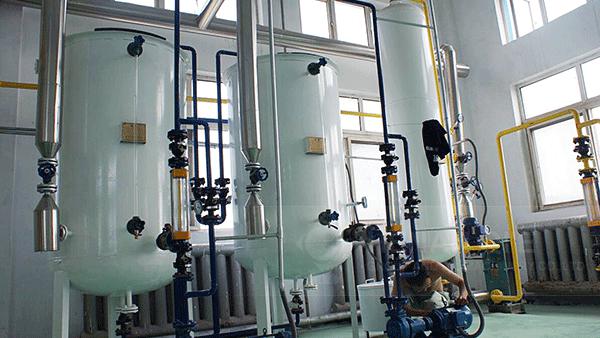
To illustrate the importance of proper sunflower oil mill selection, let's look at some real-world case studies. A small workshop in a rural area invested in a small-scale semi-automatic sunflower oil mill with a capacity of 2 tons per day. By carefully selecting the equipment and optimizing the production process, they were able to increase their oil yield by 10% and reduce their production costs by 15%. On the other hand, a large industrial enterprise upgraded their old sunflower oil mill to a large-scale fully automatic model with a capacity of 50 tons per day. The new equipment not only increased their production efficiency by 30% but also improved the quality of their oil, leading to a significant increase in their market share.
Are you still unsure about which sunflower oil mill is right for your business? Have you encountered any challenges in the sunflower oil production process? Share your thoughts and experiences in the comments below!





.jpg?x-oss-process=image/resize,m_fill,h_300,w_300/format,webp)