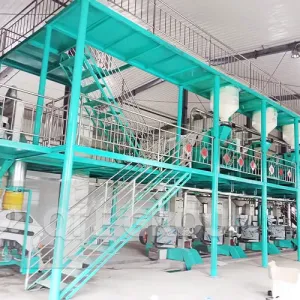
For sunflower oil producers aiming to meet global standards and win international contracts, understanding the full processing chain isn’t optional—it’s essential. From seed prep to final filtration, each stage directly impacts yield, purity, and buyer confidence. Let’s break down what really matters in real-world operations.
Start with clean seeds—this is where many small-scale processors lose up to 5% of potential yield. According to the International Olive Council (IOC), even 1–2% foreign matter can reduce extraction efficiency by 3–5%. Use air aspirators or gravity separators to remove dust, stones, and chaff before dehulling. A well-maintained dehuller increases oil recovery by 7–10%, especially when processing high-quality raw material like Ukrainian or Argentinian sunflower seeds.
| Equipment Type | Avg. Output (kg/hr) | Energy Cost (USD/kg) | Best For |
|---|---|---|---|
| Screw Press (Manual) | 15–25 | $0.03–$0.05 | Small farms, pilot lines |
| Automatic Screw Press | 100–200 | $0.02–$0.03 | Mid-sized exporters, EU compliance |
| Hydraulic Press | 50–100 | $0.04–$0.06 | High-value cold-pressed oils |
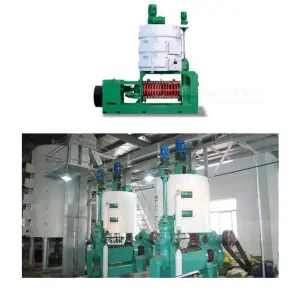
Choose based on your target market: EU buyers prefer automatic screw presses due to consistent quality and lower per-unit energy cost. Meanwhile, hydraulic presses are ideal for premium markets where “cold-pressed” claims carry weight—especially in health-conscious regions like Germany and Scandinavia.
After pressing, crude oil must be filtered using multi-stage systems. A single-stage paper filter may leave residual solids (>10 ppm), but a precision cartridge system (like 5µm or 1µm) reduces sediment to <5 ppm—critical for meeting ISO 5651 and FSSC 22000 standards. In one case study from Turkey, switching to dual-stage filtration improved shelf life by 4 weeks and reduced customer complaints by 60%.
Don’t forget regular maintenance: clogged filters increase pressure drop by 20–30%, leading to higher labor costs and downtime. Set alarms on your equipment for optimal performance monitoring.
Whether you’re building a new plant or optimizing an existing one, mastering these steps ensures not just better yields—but stronger trust from overseas buyers who demand consistency, safety, and transparency.