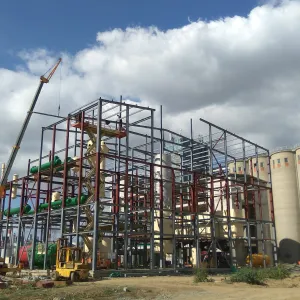
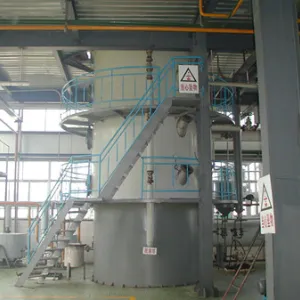
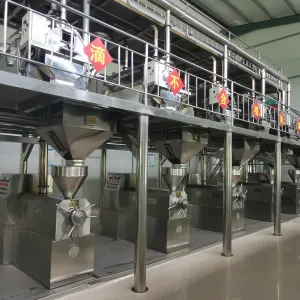
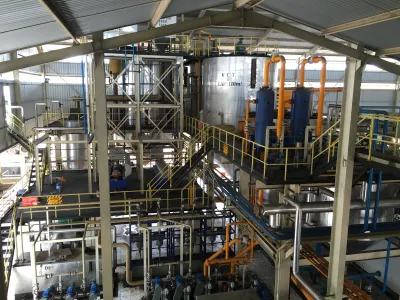
.jpg?x-oss-process=image/resize,h_400,m_lfit/format,webp)
How to Configure a Dehulling System for a Mid-Size Sunflower Oil Production Line (1–10 TPD)
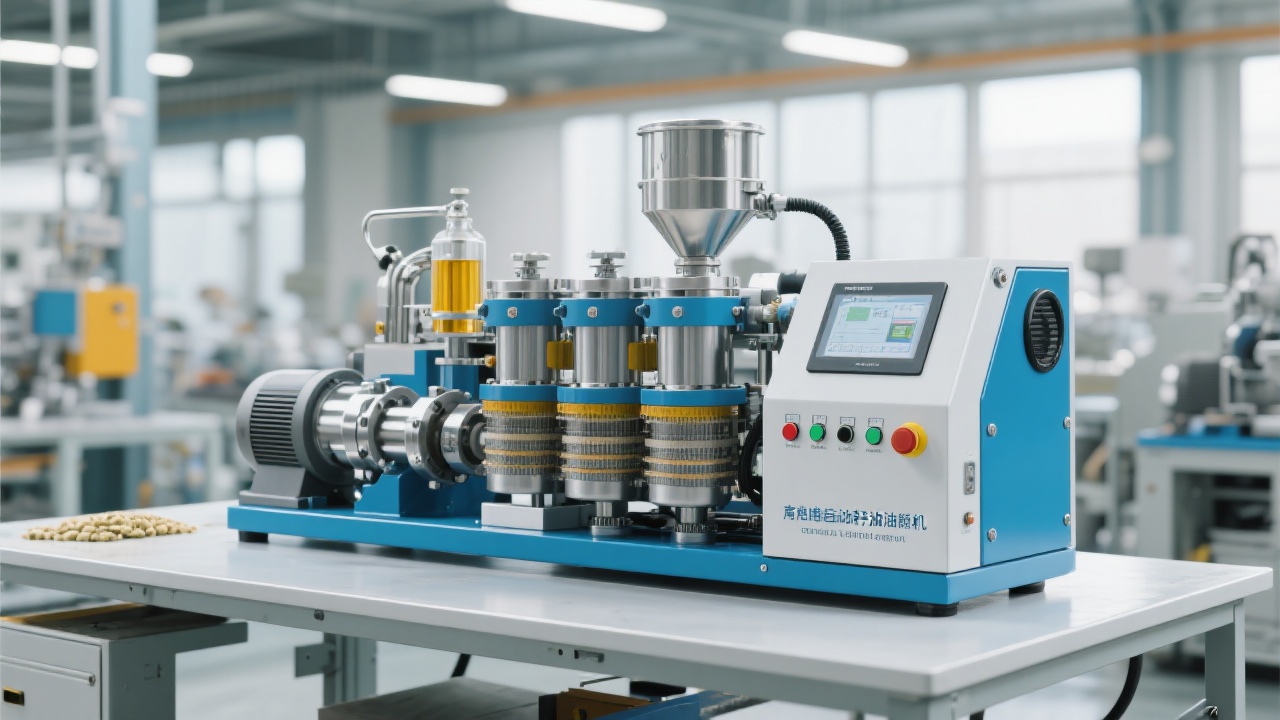
If you are planning a mid-size sunflower oil production line, the dehulling section is where small decisions turn into big outcomes. Done right, you “make every kilogram of sunflower seed count”—with cleaner oil, more stable pressing, and fewer downstream headaches. Done wrong, you risk dark color, higher waxes, filter overload, and avoidable oil losses.
Below is a practical, operator-friendly guide for choosing sunflower seed dehulling equipment, matching it to your daily capacity, and integrating it with pressing (hot press vs cold press), filtration, refining, and packaging—so you can avoid early investment mistakes and build an efficient, stable production line.
1) Start with Planning: When Dehulling Is Necessary (and When It’s Not)
Dehulling is not “always mandatory,” but for most edible sunflower oil projects, it is the fastest path to consistent quality. Hulls carry pigments and insoluble impurities that can increase oil darkness and raise filtration load. In real-world small-to-mid mills, skipping dehulling often shows up as:
Common symptoms without dehulling: darker oil color, higher sediment, more frequent filter cloth changes, unstable press current/torque, and higher oil retention in cake.
For capacity planning, your daily seed intake (1–10 tons/day) should decide the size of your cleaning and dehulling units first—because cleaner, well-graded material is what keeps your press and filter running smoothly.
Quick decision rules you can use today
- Edible oil for retail/food clients: dehulling strongly recommended to reduce pigments and improve clarity.
- High-quality cold-pressed positioning: dehulling is often essential because filtration margin is smaller.
- Industrial/biodiesel-grade uses: you may reduce dehulling intensity, but you’ll still need robust filtration.
.jpg)
2) The Full Process Flow (Mid-Size Line): From Seed Receiving to Automatic Packing
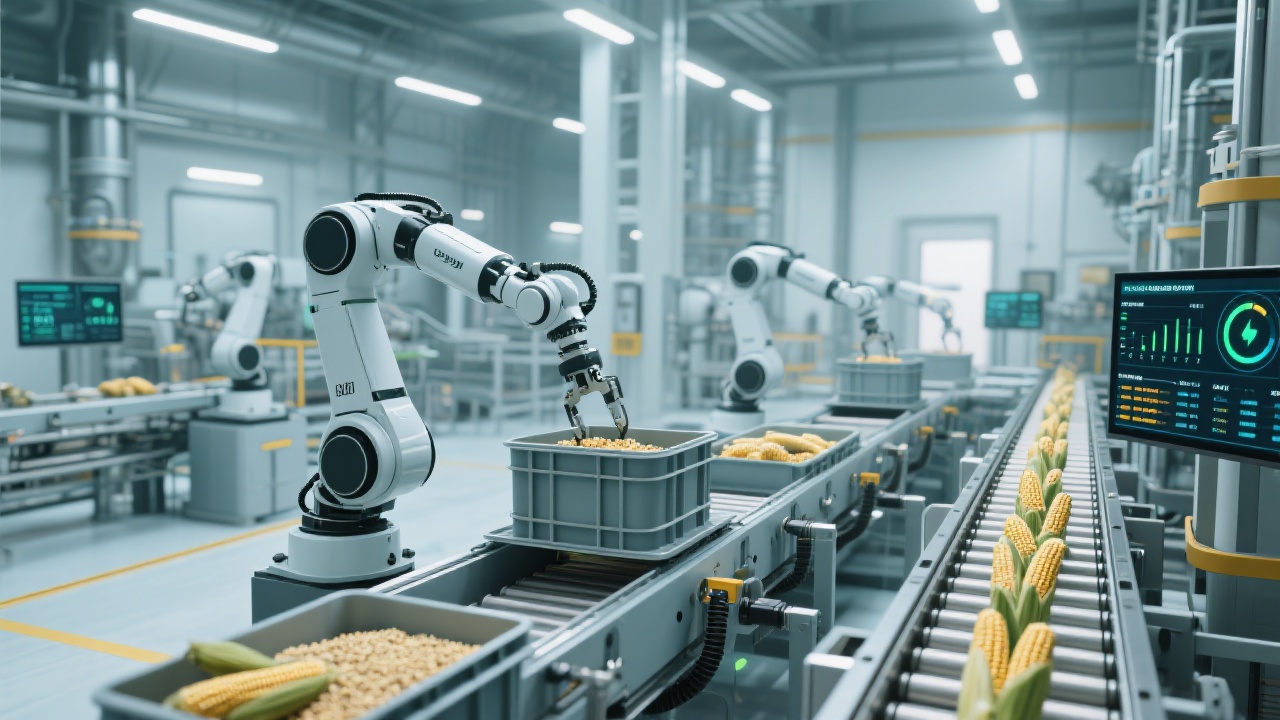
A mid-size line should be designed like a relay race: each section hands over a stable, predictable material to the next. If one step fluctuates (too many hulls, too much dust, moisture swings), your entire plant will feel it—especially in pressing and filtration.
Suggested process flow (text flowchart)
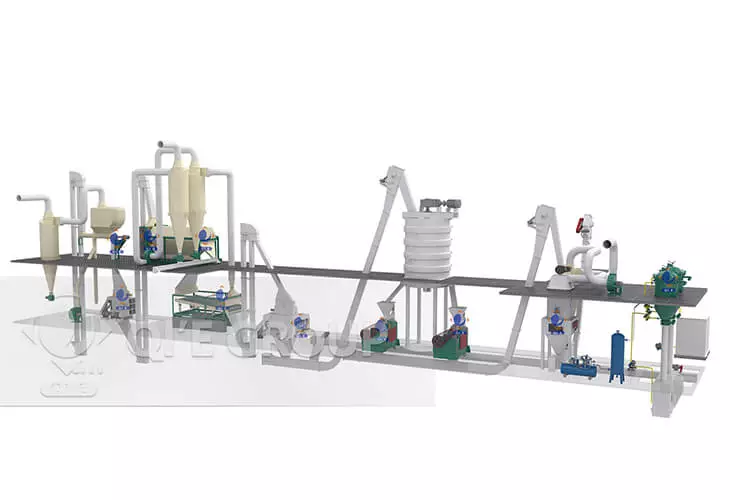
Receiving → Pre-cleaning → Destoning/Magnetic separation → Fine cleaning & grading → Dehulling → Aspiration & hull separation → Conditioning (moisture/temperature) → Flaking (optional) → Pressing (hot or cold) → Primary filtration → (Optional) Refining (degumming/neutralizing/bleaching/deodorizing/winterization) → Final polishing filter → Automatic filling/capping/labeling → Cartoning/palletizing
In many 1–10 TPD projects, the “must-have” modules are: cleaning + dehulling + pressing + filtration + filling. Refining is added when you need a lighter color, neutral taste, lower phosphorus/FFA, or longer shelf life for retail distribution.
3) Why Dehulling Impacts Yield and Quality (Numbers You Can Benchmark)
Sunflower seed oil content commonly falls around 38%–50% (variety and season dependent). In practice, what you care about is not just theoretical oil content—it’s the recoverable oil under your press and filtration conditions.
| Item | With proper dehulling | Without dehulling (typical risks) |
|---|---|---|
| Press stability | More consistent torque/current | More fluctuation due to fiber/hulls |
| Crude oil clarity | Lower insolubles; easier filtration | Higher insolubles; faster filter clogging |
| Color & wax management | Typically lighter; winterization easier | More pigments/waxes; higher refining load |
| Oil loss in cake (benchmark) | Often ~6%–10% (single pressing, setup-dependent) | Often trends higher if press is overloaded/unstable |
4) Capacity Matching: 1–10 TPD Equipment Logic (Dehuller + Press + Filtration)
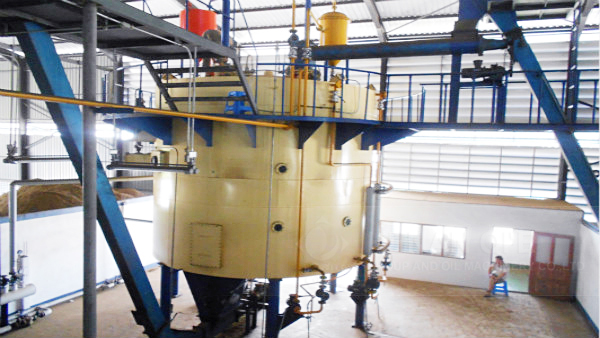
In mid-size plants, bottlenecks are rarely in the “headline machine” (the press). They show up in feeding, separation, and filtration. Your dehulling system should be selected as a stable upstream feeder, not an isolated device.
Recommended matching ranges (daily throughput basis)
| Daily seeds | Dehulling configuration | Pressing choice | Filtration baseline |
|---|---|---|---|
| 1–3 TPD | Compact dehuller + aspiration; focus on simple cleaning and stable feeding | Cold press for premium positioning, or mild hot press for higher recovery | Plate/filter press or leaf filter; polishing filter if bottling |
| 3–6 TPD | Dehuller + dual-stage separation (air + sieve); add buffering hopper | Hot press often preferred for cost-efficient throughput | Filter press sized for continuous cycles; consider bag filter pre-stage |
| 6–10 TPD | Higher-capacity dehulling with better grading; robust aspiration and dust control | Hot press + conditioning for stable output; cold press only if premium margin supports it | Leaf or filter press + polishing; design sludge handling and oil recovery |
If your goal is “high quality first,” your biggest win is controlling cleaning efficiency and dehulling stability. Pressing can be upgraded later, but an unstable front-end keeps costing you every day.
5) Hot Press vs Cold Press: The Selection Logic (Cost vs Quality)
Most mid-size sunflower oil factories end up operating in one of two commercial realities: you either maximize recovery and volume (hot press), or you sell a premium story and sensory profile (cold press). The right choice depends on your buyer channel and your refining plan.
Hot pressing (typical for efficiency)
Better throughput and usually higher oil recovery. Conditioning and controlled heat reduce viscosity and improve press stability. Suitable when you plan to refine or when you sell in bulk to food manufacturers.
Cold pressing (typical for premium positioning)
Protects aroma and “natural” marketing claims, but demands stricter cleaning/dehulling and stronger filtration discipline. You often accept a trade-off in yield to achieve a cleaner sensory profile.
Reality check: If your bottling plan includes long shelf life and stable appearance at low temperature, refining steps like winterization (dewaxing) may still be needed—especially when wax content is high.
6) Filtration & Refining: How Dehulling Reduces Downstream Costs
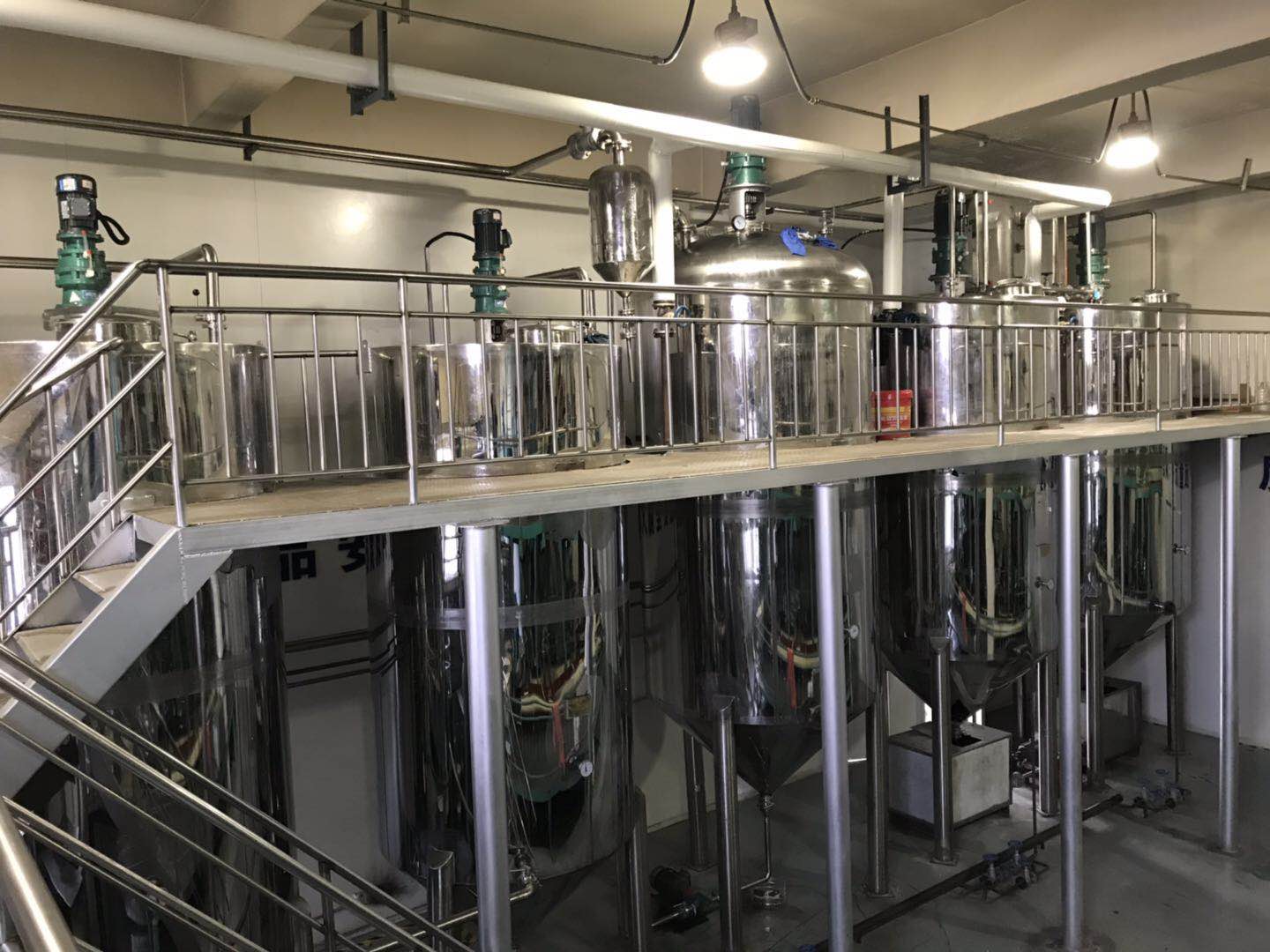
Dehulling is not just a “front-end” step. It directly affects how hard your filters and refining system need to work. When hull content and fines increase, you tend to see higher differential pressure, faster cloth blinding, and more oil trapped in filter cake/sludge.
A practical filtration target (for stable bottling)
Many edible oil bottlers aim for a polishing stage that achieves a visibly clean oil (low haze) and better storage stability. In mid-size lines, a common approach is: primary filtration after pressing + polishing filtration before filling.
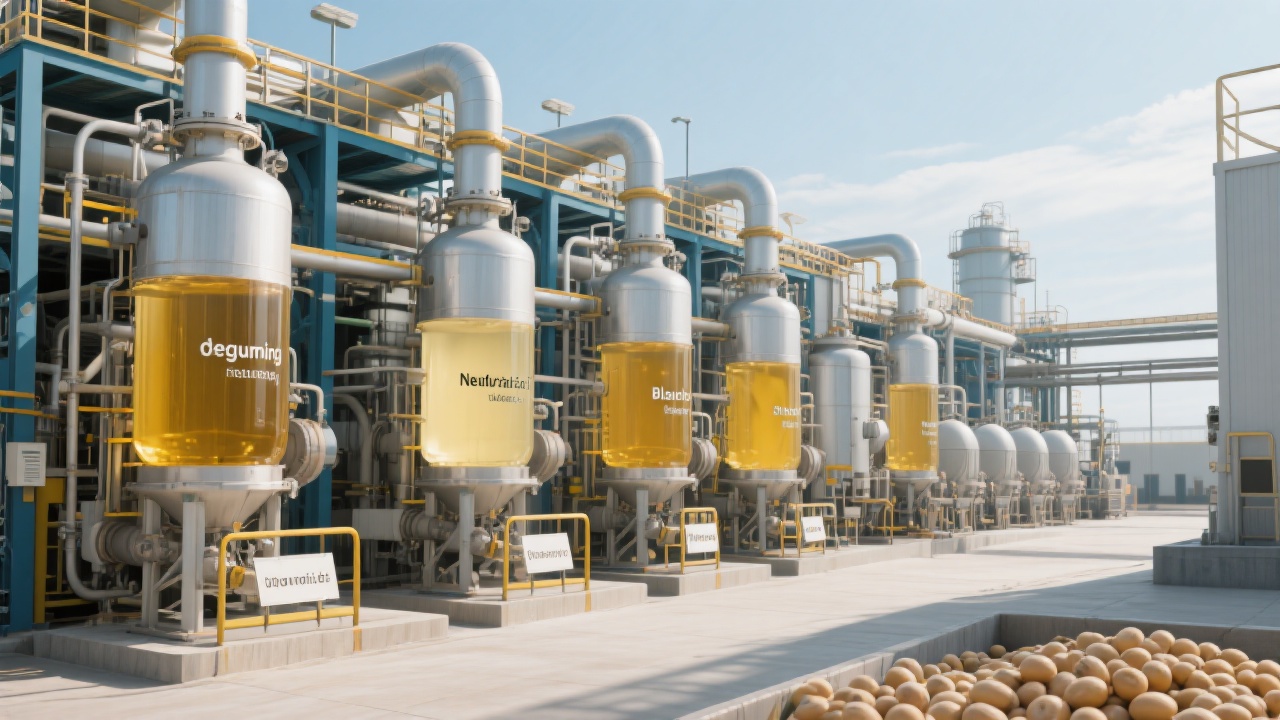
Refining modules you may add (depending on market)
- Degumming: reduces phospholipids for better stability and lighter color.
- Neutralization: lowers free fatty acids (FFA) and improves taste.
- Bleaching: removes pigments and oxidation products (better color).
- Deodorization: improves odor/flavor neutrality for broad consumer acceptance.
- Winterization (dewaxing): improves clarity under cool storage, important for retail.
7) A Real-World Lesson: “We Skipped Dehulling and Paid for It”
One mid-size workshop expanded from manual pressing to a semi-automatic 5 TPD line and decided to skip dehulling to save setup time. Within weeks, they reported: noticeably darker crude oil, faster filter clogging, and more frequent shutdowns for cleaning. Their operators also found press performance inconsistent when raw material quality changed (dust and light impurities increased after transport).
After adding a dedicated cleaning + dehulling + aspiration section, the same team stabilized filtration cycles and improved oil appearance. The bigger win was operational: fewer “surprise stoppages,” which is often the hidden cost that crushes ROI in 1–10 TPD plants.
8) Maintenance & Failure Prediction: Keep Your Dehuller Running Like a Utility
Dehulling equipment lives in a dusty, high-abrasion reality. If you treat it like a “set-and-forget” device, you’ll see drift: lower separation quality, rising fines, and more hulls going into the press. A simple preventive rhythm is enough to keep performance stable.
Daily (10–15 minutes)
- Check aspiration airflow and dust leakage points.
- Inspect abnormal vibration/noise; verify fasteners.
- Spot-check hull separation consistency (hulls in kernels = alert).
Weekly
- Clean sieves/ducting; check wear parts for abrasion.
- Verify feed uniformity; reduce “slug feeding” into the dehuller.
- Calibrate the setting that controls dehulling intensity to minimize fines.
Monthly
- Inspect bearings and alignment; confirm motor load trend is stable.
- Check magnets and pre-cleaning performance to protect dehuller internals.
- Review oil filtration logs—rising pressure often signals upstream fines.
Operator tip: Track two simple KPIs: (1) filter cycle time (hours per cycle) and (2) press motor current trend. If either worsens while seed supply is “the same,” your cleaning/dehulling settings likely drifted.
Build a High-Value Line with Pengiun Group: Make Every Kilogram of Sunflower Seed Count
If you’re sizing a 1–10 TPD project, the fastest way to reduce trial-and-error is to design the line as a system: cleaning → dehulling → pressing → filtration → (optional) refining → automatic packaging. The right dehulling configuration protects your press, simplifies filtration, and helps you deliver oil that buyers accept without negotiation.
CTA: Avoid early investment mistakes—get your dehulling & pressing layout matched to your capacity
Share your target daily capacity, seed condition (moisture/impurity level), and your product positioning (bulk vs retail). We’ll help you configure a stable, cost-effective sunflower seed dehulling and oil pressing line that scales.
Configure Your Sunflower Seed Dehulling Equipment for a 1–10 TPD Oil LineTypical inputs to prepare: daily tons, target oil type (cold/hot), packaging format, and whether refining/winterization is required.