.jpg?x-oss-process=image/resize,h_400,m_lfit/format,webp)
In the competitive landscape of edible oil production, medium-scale sunflower oil processors face the constant challenge of balancing efficiency, quality, and profitability. One often overlooked yet transformative technology is seed dehulling – a process that separates the sunflower seed kernel from its fibrous shell. This seemingly simple step can unlock significant operational improvements, from enhanced oil extraction rates to substantial energy savings.
Industry Insight:
According to the International Sunflower Oil Association (ISOA), properly implemented dehulling technology can increase oil yield by 10-15% while reducing energy consumption by up to 22% in medium-capacity production lines (1-10 tons per day).
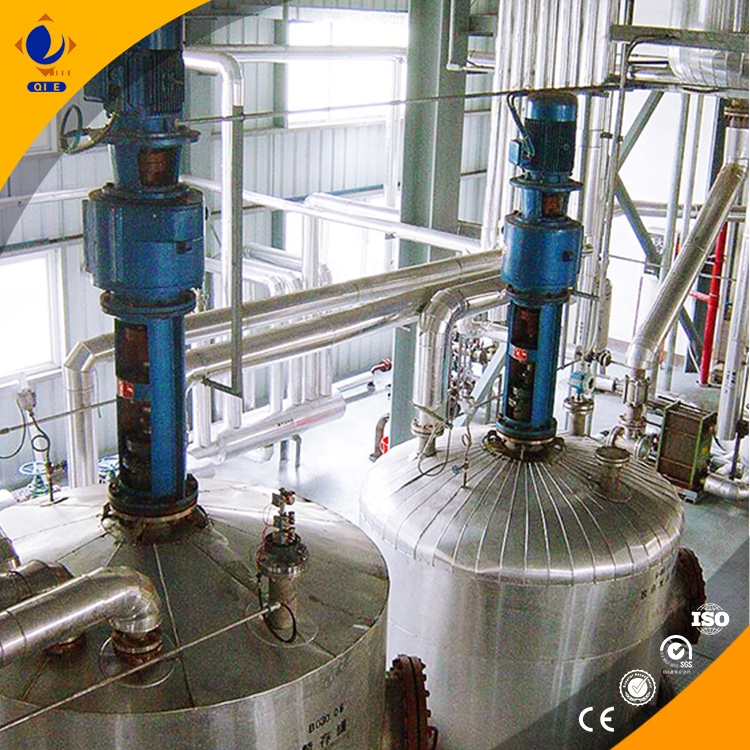
Sunflower seed dehulling is not merely a mechanical separation process but a precision operation that directly impacts downstream efficiency. Modern dehulling machines employ a combination of centrifugal force, controlled impact, and air classification to separate kernels from shells with minimal damage to the valuable seed material.
.jpg)
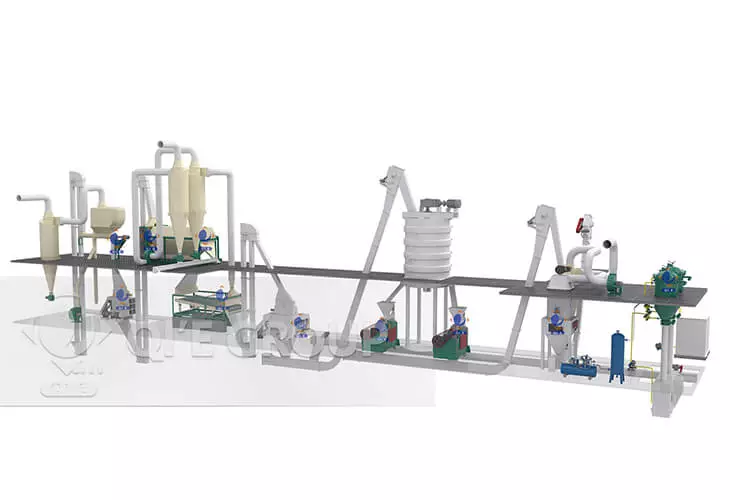
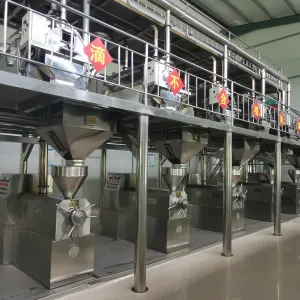
The mechanical structure typically includes a feeding system, dehulling chamber with specialized rotor design, aspiration system for shell removal, and sorting mechanisms to ensure optimal kernel purity. When properly calibrated, these systems can achieve shell removal rates exceeding 98% while maintaining kernel integrity above 95%.
The correlation between dehulling efficiency and overall production performance is well-documented. Without effective dehulling, processors face multiple challenges:
| Performance Metric | Without Dehulling | With Dehulling | Improvement |
|---|---|---|---|
| Oil Extraction Rate | 32-35% | 36-39% | +10-15% |
| Energy Consumption (kWh/ton) | 85-95 | 65-75 | -20-25% |
| Press Cake Protein Content | 28-32% | 38-42% | +30-35% |
| Processing Capacity (kg/hour) | Reduced by 15-20% | Optimal capacity | +18-22% |
Beyond oil extraction improvements, dehulling significantly enhances the value of sunflower press cake – a critical consideration for medium-scale operations seeking multiple revenue streams. The protein content of dehulled sunflower cake typically ranges from 38-42%, compared to 28-32% for non-dehulled cake, making it a premium animal feed ingredient.

In European markets, dehulled sunflower cake commands a price premium of €80-120 per ton compared to standard press cake. This additional revenue can offset dehulling equipment investment costs within 12-18 months for a 5-ton-per-day facility, according to industry case studies.
Selecting the right dehulling system requires careful consideration of production capacity, seed characteristics, and budget constraints. For medium-scale operations (1-10 tons per day), integrated dehulling solutions that combine pre-cleaning, dehulling, and separation in a single unit offer the best balance of efficiency and space utilization.
Technical Recommendation:
For facilities processing 3-5 tons per day, QIE Group recommends their Model PH-500 dehulling system, which features adjustable rotor speed (600-1200 RPM), integrated aspiration, and automatic kernel-skin separation with 97%+ efficiency. This system typically requires 5.5 kW power and occupies approximately 4.5 m² floor space.
Key factors to evaluate when selecting dehulling equipment include:
The decision to invest in dehulling technology should be based on comprehensive ROI analysis that considers both immediate operational improvements and long-term market positioning. While initial capital expenditure ranges from $25,000 to $85,000 for medium-scale systems, the typical payback period is 12-24 months depending on production volume and local market conditions.
Processors should also consider the intangible benefits, including improved oil quality (lower free fatty acid content), reduced maintenance on downstream equipment (less wear from shell particles), and enhanced competitiveness in both domestic and export markets.
Discover how QIE Group customized dehulling solutions can increase your oil yield by 10-15% while reducing energy costs. Our technical experts will analyze your specific production needs and provide a tailored equipment configuration that maximizes your return on investment.
Get Your Free Dehulling Efficiency AnalysisSuccessful implementation of dehulling technology requires more than just equipment purchase; it demands careful integration into existing processes, operator training, and ongoing maintenance. By partnering with experienced suppliers who understand both the mechanical and process engineering aspects of oilseed processing, medium-scale producers can ensure they maximize the benefits of this transformative technology.
As global demand for high-quality vegetable oils continues to rise, and competition intensifies, the processors who thrive will be those who leverage every available technological advantage to optimize efficiency, quality, and profitability throughout their production chain.

 366
|
366
|
 seed preprocessing equipment for oil extraction
comprehensive solutions for edible oil production
customer-centric service in oil processing
seed preprocessing equipment for oil extraction
comprehensive solutions for edible oil production
customer-centric service in oil processing
 318
|
small-scale oil press efficiency
sunflower seed oil extractor
oil press energy consumption
oil yield analysis
sunflower oil grinding machine selection
318
|
small-scale oil press efficiency
sunflower seed oil extractor
oil press energy consumption
oil yield analysis
sunflower oil grinding machine selection
 277
|
Small sunflower oil processing plant
Oil pressing equipment
Agribusiness
277
|
Small sunflower oil processing plant
Oil pressing equipment
Agribusiness
 419
|
Sunflower oil quality control
Edible oil processing quality control
Automatic backwashing filter element system
Food - grade filtration equipment recommendation
Aseptic filling technology
419
|
Sunflower oil quality control
Edible oil processing quality control
Automatic backwashing filter element system
Food - grade filtration equipment recommendation
Aseptic filling technology
 133
|
Sunflower seed oil extraction machine
pressing sunflower seed oil extraction machine
solvent extraction sunflower seed oil extraction machine
133
|
Sunflower seed oil extraction machine
pressing sunflower seed oil extraction machine
solvent extraction sunflower seed oil extraction machine