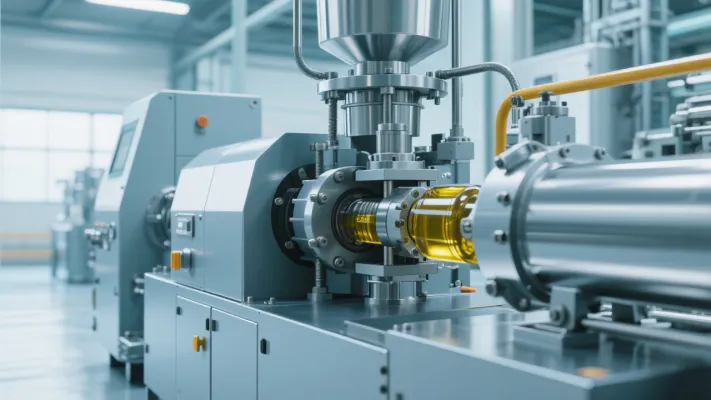
Choosing the right grinding machine for your sunflower oil production line is more than just a technical decision—it’s an investment in long-term efficiency, safety, and profitability. Whether you're running a small family-owned mill or a large-scale industrial plant, understanding the differences between stainless steel and carbon steel components can significantly impact your output quality, maintenance costs, and compliance with global hygiene standards.
In a typical sunflower oil processing flow—cleaning, dehulling, crushing, pressing, and filtering—the grinding stage sets the foundation for everything that follows. Stainless steel (SS304) machines offer superior corrosion resistance, easier cleaning, and better compliance with food-grade regulations like FDA and EU HACCP. Carbon steel units may seem cost-effective upfront, but they often require frequent recoating or replacement due to oxidation, especially when handling moisture-rich seeds.
| Feature | Stainless Steel | Carbon Steel |
|---|---|---|
| Lifespan (years) | 8–12+ | 3–5 |
| Maintenance Cost/Year | ~$300–$500 | ~$1,000–$1,500 |
| Hygiene Compliance | ✅ Full Compliance | ⚠️ Requires Regular Treatment |
Real-world data from a 2023 case study at a Ukrainian sunflower oil facility shows that switching from carbon steel to stainless steel grinders increased daily throughput by 17% and reduced downtime by over 40%. Why? Because stainless steel doesn’t rust, stick, or harbor bacteria—critical for consistent oil clarity and shelf life.
For small producers (under 5 tons/day), a semi-automatic stainless steel grinder offers excellent value—low labor needs, high consistency, and easy integration into existing lines. Mid-sized operations (5–20 tons/day) benefit most from fully automated systems with SS304 parts, where energy consumption drops to ~1.8 kWh/kg of seed processed versus 2.5 kWh/kg for older carbon models.
The bottom line? Stainless steel isn't just about durability—it's about smarter operations. It reduces waste, boosts yield, and ensures your product meets international export standards without costly rework.

If you’re serious about scaling your sunflower oil business—or simply ensuring clean, reliable processing—consider how material choice affects every part of your operation. From initial setup to ongoing performance, the right grinder makes all the difference.
Ready to see what our stainless steel grinders can do for your next batch?
Get Your Free Technical Brochure Now →




.jpg?x-oss-process=image/resize,m_fill,h_300,w_300/format,webp)


