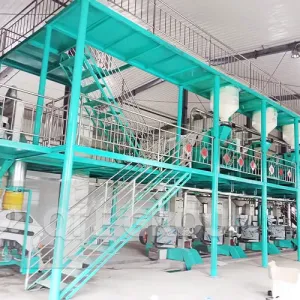
Choosing the right small-scale sunflower oil mill is a decisive factor in maximizing your production efficiency and return on investment. Whether you're a smallholder farmer or managing a medium-sized oil processing facility, understanding critical performance indicators — including energy use, oil yield, and process workflows — will help you avoid costly missteps. Don't waste precious resources selecting equipment that doesn’t fit your production needs. Instead, leverage practical analysis methods to match machine capacity precisely with your operational goals.
A typical sunflower oil mill integrates four primary functional steps:
Each module impacts the final oil yield. For example, inadequate shelling can reduce yield by up to 10%, while poor cleaning may introduce contaminants that lower oil quality. On average, small-scale machines deliver an oil yield ranging from 35% to 50%, depending heavily on seed quality and processing parameters.
Comparing semi-automatic machines with fully automatic ones unveils tangible differences in daily output and labor cost:
| Machine Type | Daily Capacity (Kg) | Labor Requirement | Energy Consumption (kWh) |
|---|---|---|---|
| Semi-Automatic | 300 - 600 | 2 - 3 workers | 15 - 25 |
| Fully Automatic | 800 - 1500 | 1 - 2 workers | 25 - 40 |
Fully automatic machines generally offer higher daily throughput (up to 1500 kg) while reducing labor costs by nearly 50%. However, they require an upfront capital investment 20%-30% higher than semi-automatic systems. Your decision should balance immediate budget constraints with long-term savings on labor and consistent production stability.
The selection of machine material profoundly affects durability, hygiene, and maintenance:
Opting for stainless steel aligns with sustainable production goals and regulatory compliance, especially crucial if you plan to export your oil products.
Not all sunflower seeds are created equal. High-quality, dry, and uniform seeds can significantly improve oil extraction rates. Here’s how to align machine choice to your input and desired output:
Avoid “one-size-fits-all” purchases that risk either underutilization or capacity bottlenecks.
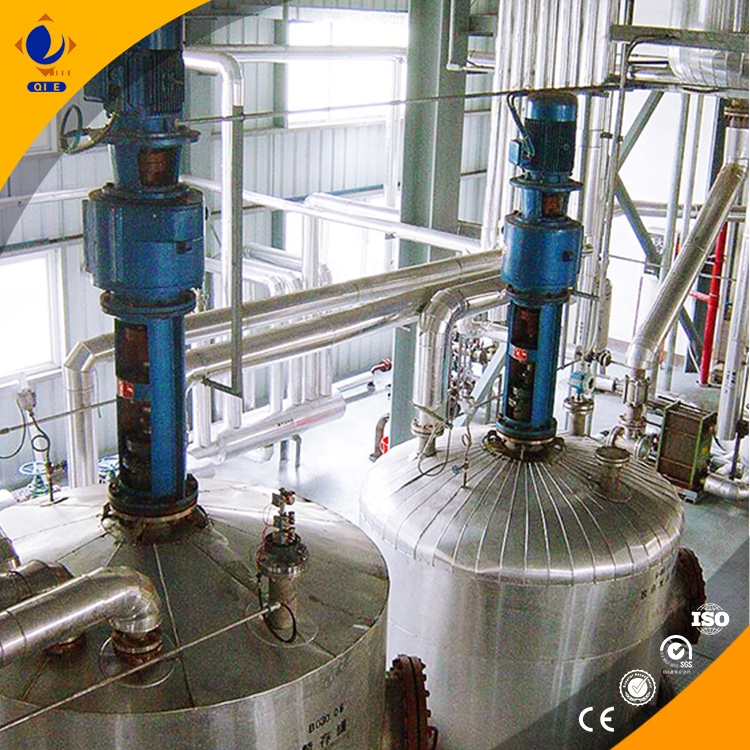
Energy consumption is a critical cost driver. Choose equipment designed with energy-saving features such as high-efficiency motors, optimized gear transmission, and thermal insulation. Machines consuming as little as 15 kWh per 1000 kg processed can drastically reduce operational expenses.
Moreover, maintaining stable oil extraction rates prevents peak load stresses and equipment downtime. Consistent output contributes to sustainable production cycles, reinforcing your supply reliability and customer trust.
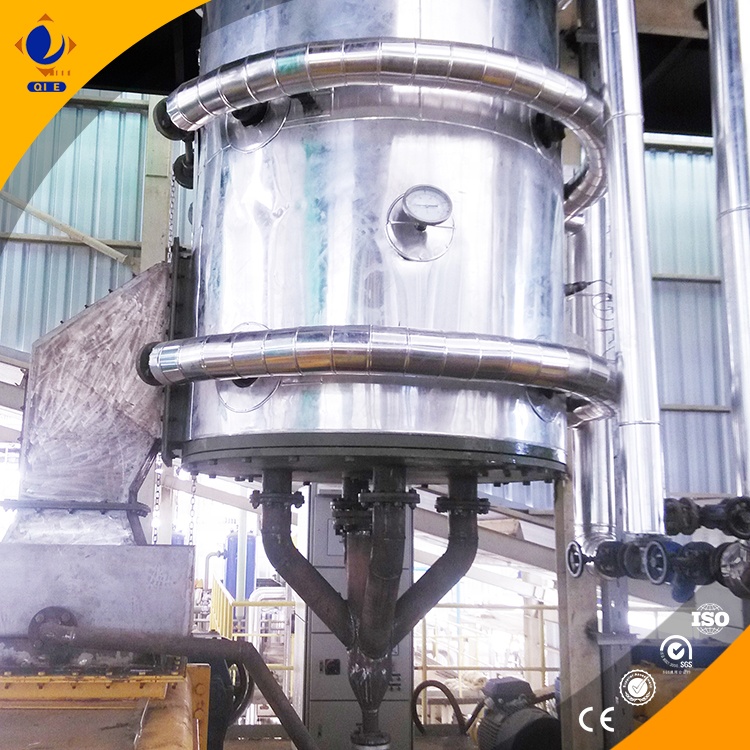
Stop throwing money away on equipment that doesn’t align with your production goals. Precise capacity matching is the foundation of effective oil production. From seed cleaning to last-stage filtering, every detail impacts your yield and costs.
We invite you to reflect: what bottlenecks are currently limiting your sunflower oil production line? Share your challenges below—you’re not alone in seeking practical, data-driven solutions.