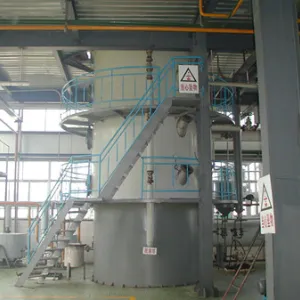
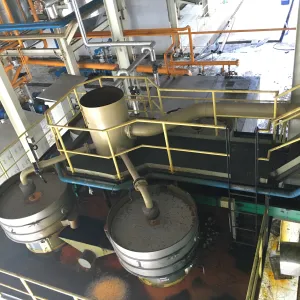
Sunflower oil production is a multi - step process that requires careful consideration at each stage. This guide will take you through the entire process, from pre - treatment to pressing and filtration, and help you choose between screw oil presses and hydraulic oil presses.
The production of sunflower oil can be divided into three main stages: pre - treatment, pressing, and filtration. In the pre - treatment stage, sunflowers are cleaned to remove impurities and then dehulled. This step is crucial as it can significantly affect the quality and yield of the final oil. For example, proper cleaning can reduce the presence of dirt and debris, which may otherwise contaminate the oil. Dehulling can improve the oil extraction efficiency, with studies showing that dehulled sunflower seeds can increase the oil yield by up to 10%.
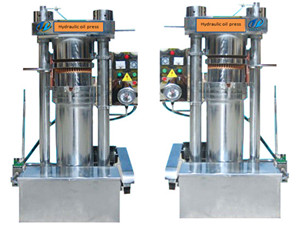
When it comes to the pressing stage, two main types of oil presses are commonly used: screw oil presses and hydraulic oil presses. Let's compare their mechanical principles, automation levels, and suitable scenarios.
| Features | Screw Oil Presses | Hydraulic Oil Presses |
|---|---|---|
| Mechanical Principle | Uses a rotating screw to apply continuous pressure on the seeds | Uses hydraulic pressure to press the seeds |
| Automation Level | High, suitable for large - scale industrial production. It can process up to 50 tons of seeds per day in some industrial models. | Relatively low, more suitable for small - batch production, usually with a daily processing capacity of 1 - 5 tons. |
| Suitable Scenarios | Ideal for high - volume production due to its high efficiency and continuous operation | Good for small - scale producers or those who value the traditional pressing method |
During the pressing process, several key parameters need to be carefully controlled. The temperature, pressure, and speed of the press can all have a significant impact on the oil yield and quality. For example, a higher pressing temperature can increase the oil flow rate but may also degrade the quality of the oil if it is too high. Generally, the optimal pressing temperature for sunflower seeds is between 100 - 120°C. If the temperature exceeds 130°C, the oil may start to oxidize and develop an unpleasant odor.
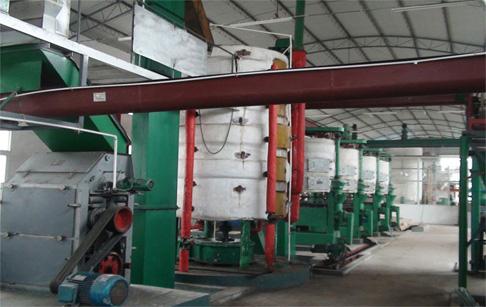
Filtration is the final and important step in sunflower oil production. Physical filtration and precision filter element technology are commonly used methods. Physical filtration can remove large particles, while precision filter elements can capture smaller impurities. By regularly testing the clarity of the oil, producers can ensure that the final product meets the quality standards. For instance, using a precision filter with a pore size of 0.5 - 1 micron can effectively remove fine particles and improve the clarity of the oil.
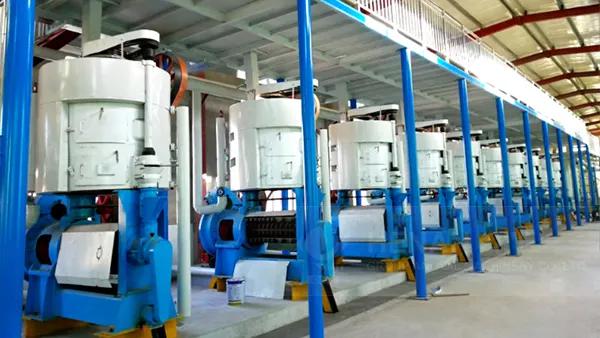
Many producers have achieved great success by standardizing the production process. Standardization can reduce energy consumption by up to 20% and increase the yield of high - quality oil by up to 15%. For example, a medium - sized sunflower oil production plant was able to improve its overall efficiency and product quality after implementing a standardized production process.
To sum up, choosing the right pressing equipment and following the correct production process are essential for high - quality sunflower oil production. Whether you are a production operator or a decision - maker, this guide provides you with the necessary information to optimize your production process.
Learn more about sunflower oil processing technology details by visiting our technical column.