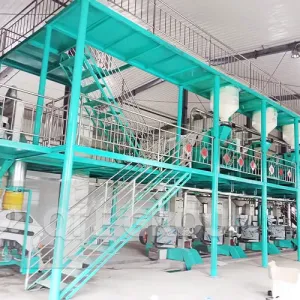
In sunflower oil manufacturing, consistent product quality isn’t just about yield—it’s about clarity, stability, and customer trust. Many producers face recurring issues with raw material impurities and inconsistent oil color, leading to rework, wasted energy, and lost credibility with buyers.
This article walks you through the entire processing chain—from cleaning and de-hulling to pressing and filtration—with actionable insights backed by real-world data from successful plants across Europe and Southeast Asia.
Before any extraction, your raw sunflower seeds must be thoroughly cleaned. Studies show that removing dust, stems, and foreign particles can reduce downstream filtration load by up to 40%. Use a combination of air aspirators (removes light debris) and water washers (removes clay and sand).
| Process Step | Recommended Equipment | Expected Outcome |
|---|---|---|
| Initial Cleaning | Vibratory Sieve + Air Classifier | >95% removal of large impurities |
| De-Hulling | Mechanical Huller with Adjustable Gap | ~90% hull separation efficiency |
Hydraulic presses are known for high pressure (up to 15 MPa), but they often cause thermal degradation if not properly cooled. Spiral presses offer gentler extraction at lower temperatures—ideal for preserving color and reducing free fatty acids.
A case study from a Turkish refinery showed that switching from hydraulic to spiral press increased oil clarity (measured via Lovibond scale) from 4R/3Y to 2R/1Y while maintaining similar yields (~95% oil recovery).
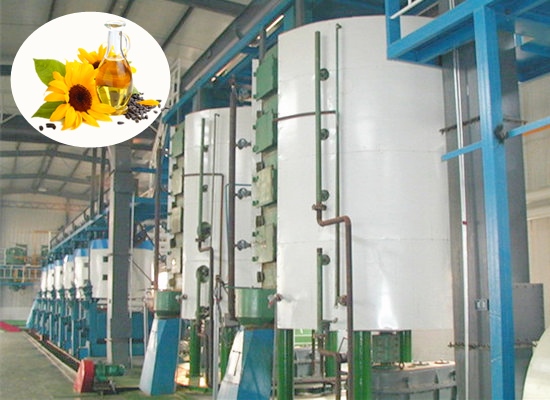
Post-press oil often contains fine solids, phospholipids, and residual moisture. Physical filtration using filter presses or cartridge systems is essential—but precision matters. For commercial-grade sunflower oil, use 5–10 micron filters to ensure visual clarity without over-filtering.
Key tip: Regularly monitor turbidity (NTU). If it exceeds 5 NTU post-filtration, check for clogged media or poor pre-treatment. One Indonesian mill reduced reject rates by 30% simply by adding daily turbidity checks.
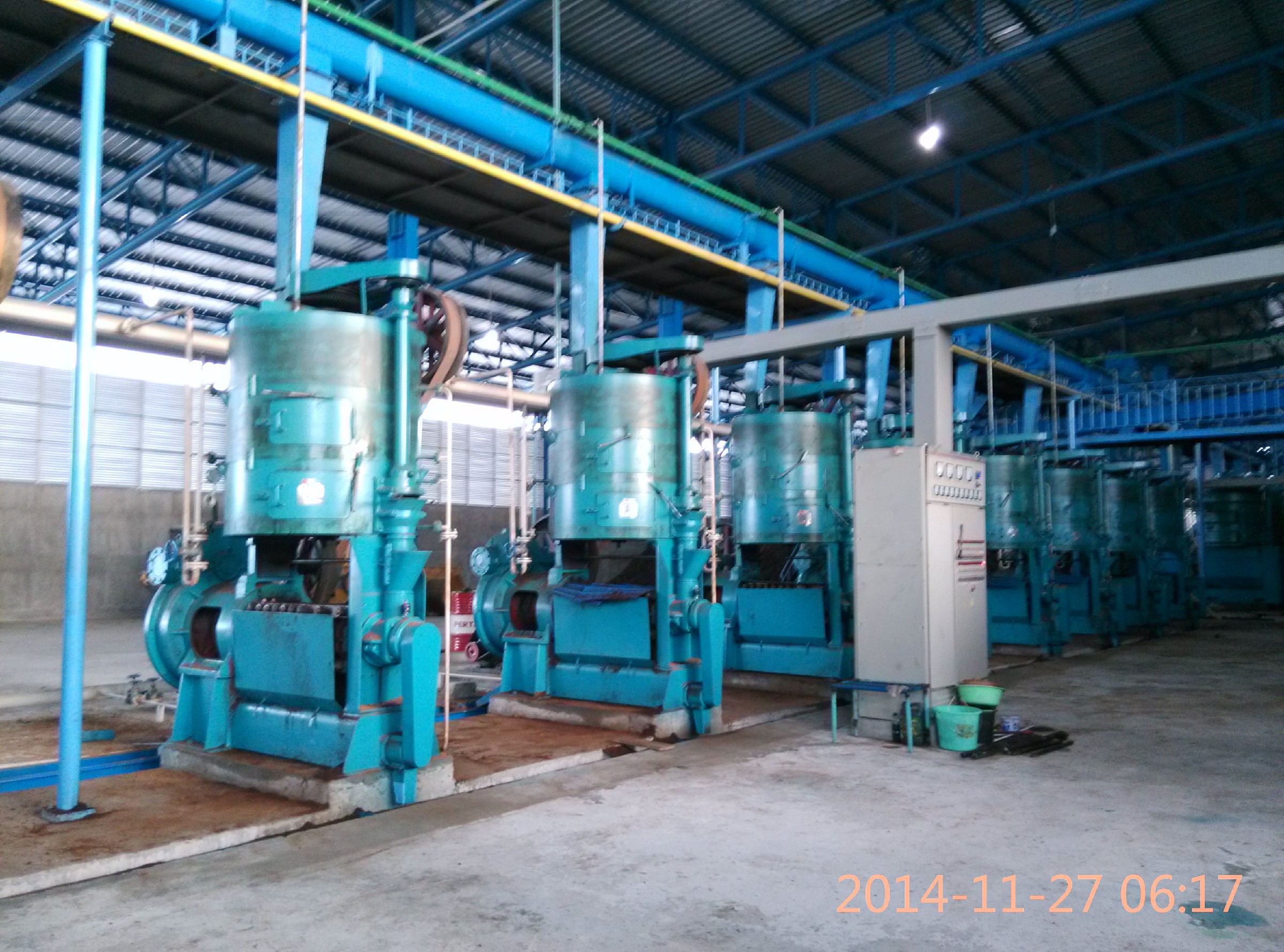
By addressing each stage systematically—not just reacting to problems—you’ll see measurable improvements in both consistency and profitability. Whether you’re managing a small plant or scaling up operations, these techniques have been proven across diverse climates and regulatory environments.
Want more technical deep dives like this? Follow our Technical Insights Series on B2B platforms—we share live plant audits, equipment comparisons, and buyer expectations every month.