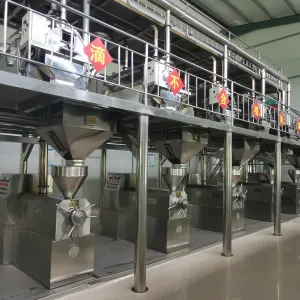
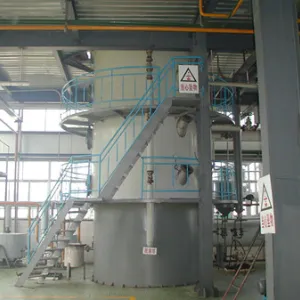
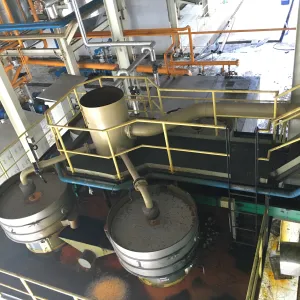
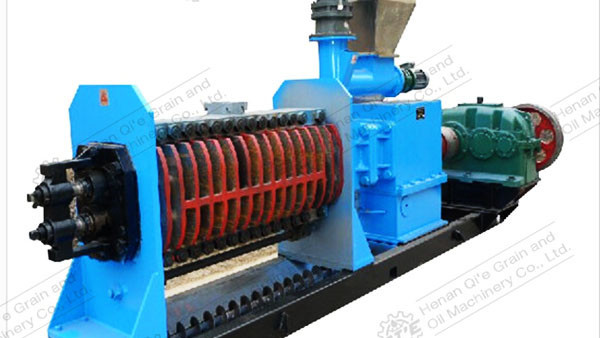
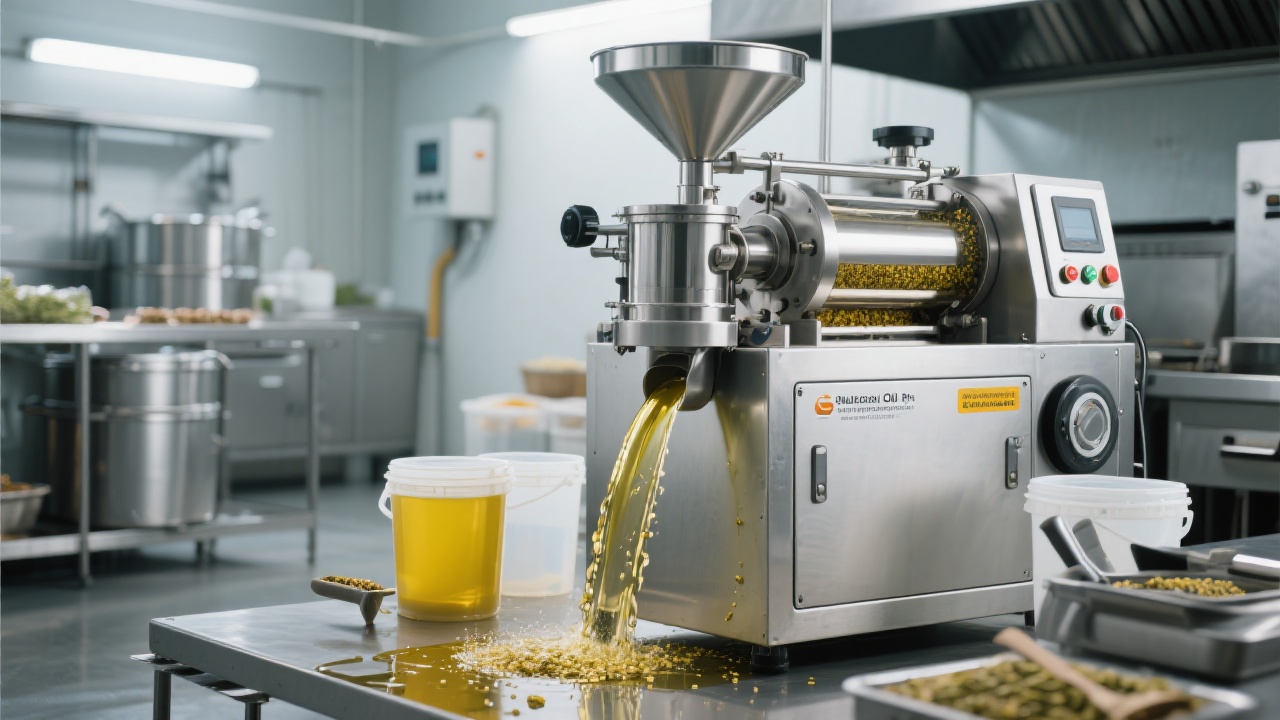
Purchasing an oil press is a process decision, not simply an equipment purchase. The selected machine needs to fit the intended raw materials, production targets, operating conditions, staffing approach, and service plan. A lower initial price can become costly when compatibility, capacity verification, installation, or long-term maintenance is overlooked.
Qi'e Grain and Oil Machinery Co., Ltd. supports edible oil processing businesses with oil pressing equipment, oil production line equipment, and oil refining equipment selection. The following guide outlines five common procurement mistakes and the questions buyers should address before making a decision.
A suitable oil press should be evaluated as part of an oil processing workflow. Procurement teams should look beyond the machine itself and assess how material preparation, pressing, oil handling, utilities, automation, spare parts, installation, and operator support fit together.
Different oilseeds and oil-bearing materials can have different processing characteristics. Their condition, moisture level, cleanliness, preparation requirements, and intended processing method may influence equipment selection. Choosing an oil press based only on a general product category can result in an incomplete processing arrangement.
Before requesting a quotation, define the materials to be processed and whether the project requires supporting steps before or after pressing. This helps suppliers evaluate the appropriate equipment configuration rather than treating the press as an isolated unit.
Capacity is often one of the first figures considered in oil press procurement, but it should be understood in context. Actual processing output can depend on raw material condition, feed consistency, operating procedures, upstream preparation, downstream handling, and the continuity of the overall line.
Buyers should align capacity discussions with their planned operating schedule and production workflow. A capacity target is most useful when it is connected to the material being processed and the conditions under which the equipment will operate.
| Evaluation area | Why it matters | What to clarify |
|---|---|---|
| Material basis | Performance should relate to the intended feedstock. | Confirm the raw material and its processing condition. |
| Operating plan | Daily output depends on operating hours and workflow continuity. | Match equipment selection to the planned production schedule. |
| Line coordination | A bottleneck in one stage can affect the full process. | Review upstream and downstream equipment together. |
Equipment procurement should account for the operating environment, not only the purchase cost. Power availability, site layout, material movement, ventilation, oil handling, and applicable environmental or local operating requirements should be reviewed during project planning.
Early utility and site review helps buyers prepare for installation more effectively and reduces the risk of selecting equipment that does not align with practical site conditions. For a broader project, this evaluation should cover the complete oil processing equipment arrangement.
Automation can support more consistent operation and simplify selected process tasks, but the appropriate level depends on the project. A procurement decision should consider the available operators, operating procedures, maintenance capability, production scale, and the degree of integration required across the line.
The goal is not to select the highest possible level of automation. It is to select an arrangement that can be operated, maintained, and managed appropriately for the business. Discussing operator responsibilities and control requirements early can lead to a more practical oil press solution.
A well-matched configuration supports reliable daily operation; an over- or under-specified configuration can create avoidable complexity.
The operational value of oil machinery continues after delivery. Buyers should clarify the scope of installation guidance, commissioning support, technical documentation, operator communication, spare parts planning, and the process for obtaining after-sales assistance.
This is especially important for projects involving multiple pieces of equipment. Clear responsibilities and communication channels support a smoother transition from equipment delivery to routine production.
A sound oil press procurement process begins with clear information: the raw materials, intended workflow, capacity expectations, site conditions, automation needs, and service requirements. Reviewing these factors together helps build a more suitable basis for equipment selection.
Qi'e Grain and Oil Machinery Co., Ltd. approaches oil processing equipment selection with attention to equipment configuration, project needs, and long-term service considerations. For oil pressing, production line, or refining projects, a detailed consultation can help define the practical requirements before procurement proceeds.
 249
|
249
|
 energy-efficient oil press equipment
small and medium edible oil production
energy management optimization
cold pressing technology
waste heat recovery
energy-efficient oil press equipment
small and medium edible oil production
energy management optimization
cold pressing technology
waste heat recovery
 223
|
sunflower seed oil production line
oil pressing machine selection
edible oil processing equipment
seed pre-treatment machinery
oil filter precision
223
|
sunflower seed oil production line
oil pressing machine selection
edible oil processing equipment
seed pre-treatment machinery
oil filter precision
 79
|
Qi'e Grain and Oil Machinery Co., Ltd.
sunflower seed oil extraction machine
oil pressing equipment
grain and oil machinery
oil production line equipment
79
|
Qi'e Grain and Oil Machinery Co., Ltd.
sunflower seed oil extraction machine
oil pressing equipment
grain and oil machinery
oil production line equipment
 470
|
energy-saving oil press
sunflower seed oil press
home oil extraction machine
oil yield optimization
energy-efficient oil press comparison
470
|
energy-saving oil press
sunflower seed oil press
home oil extraction machine
oil yield optimization
energy-efficient oil press comparison
 216
|
sunflower seed oil production equipment
process compatibility assessment
capacity matching
equipment maintenance ease
equipment procurement guide
216
|
sunflower seed oil production equipment
process compatibility assessment
capacity matching
equipment maintenance ease
equipment procurement guide