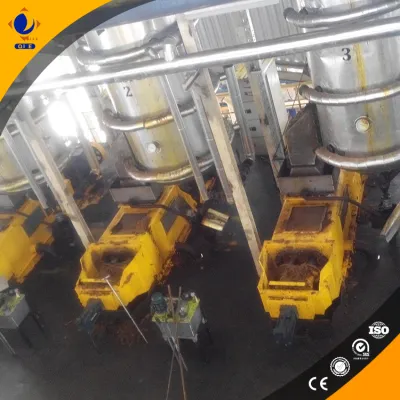
In today’s competitive global edible oil market, consistent quality, high yield, and food safety compliance are no longer optional—they’re essential for building trust with international buyers. Whether you're a plant manager in India, a processor in Argentina, or an exporter targeting EU retailers, mastering the full production chain from seed cleaning to sterile bottling is critical.
Even minor contaminants like sand, stones, or metal fragments can compromise both product safety and machine longevity. According to ISO 22000 guidelines, effective pre-cleaning can reduce foreign particle levels by up to 95%. A magnetic separator installed at the intake stage removes ferrous metals—often overlooked but crucial for preventing pump damage and ensuring clean extraction.

Studies show that efficient dehulling increases oil yield by 5–8% compared to raw seed pressing. This isn’t just about mechanical efficiency—it’s about preserving oil-rich kernels while removing fibrous shells that contribute to free fatty acid (FFA) formation during storage. For example, one facility in Ukraine reported a 7% rise in final yield after upgrading to a pneumatic dehuller with real-time moisture control.
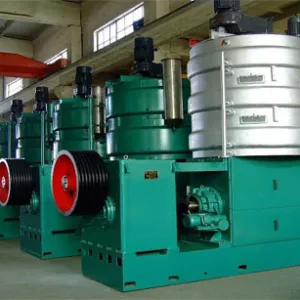
Cold pressing retains more vitamin E and natural antioxidants—key selling points for premium markets like Germany and Scandinavia—but it requires precise temperature control (<40°C). Heat press offers higher throughput (~20% faster), but must be paired with rapid cooling systems to prevent oxidation. Our engineers recommend hybrid systems for mid-scale producers seeking both quality and volume.
Visually clear oil doesn’t just look better—it signals purity. Using a multi-stage filtration system (mesh + cartridge filters) ensures FFA reduction below 0.5%, which meets EU standards for virgin sunflower oil. Pro Tip: Equipment with automatic backflushing mechanisms improves filter stability by 40%, reducing downtime and batch inconsistencies.
Vacuum deodorization at 180–200°C under low pressure effectively eliminates volatile compounds without degrading tocopherols. With proper steam-to-oil ratio (typically 1:10), this step can lower FFA levels from 2% to <0.1%, significantly improving shelf life. Many exporters miss this window—and lose export contracts due to off-flavors detected in blind tests.
Once refined, oil must be packaged under controlled conditions. Aseptic filling lines using nitrogen blanketing extend shelf life by up to 12 months beyond standard packaging. In our experience, 70% of customer complaints related to rancidity stem from improper packaging—not poor refining.
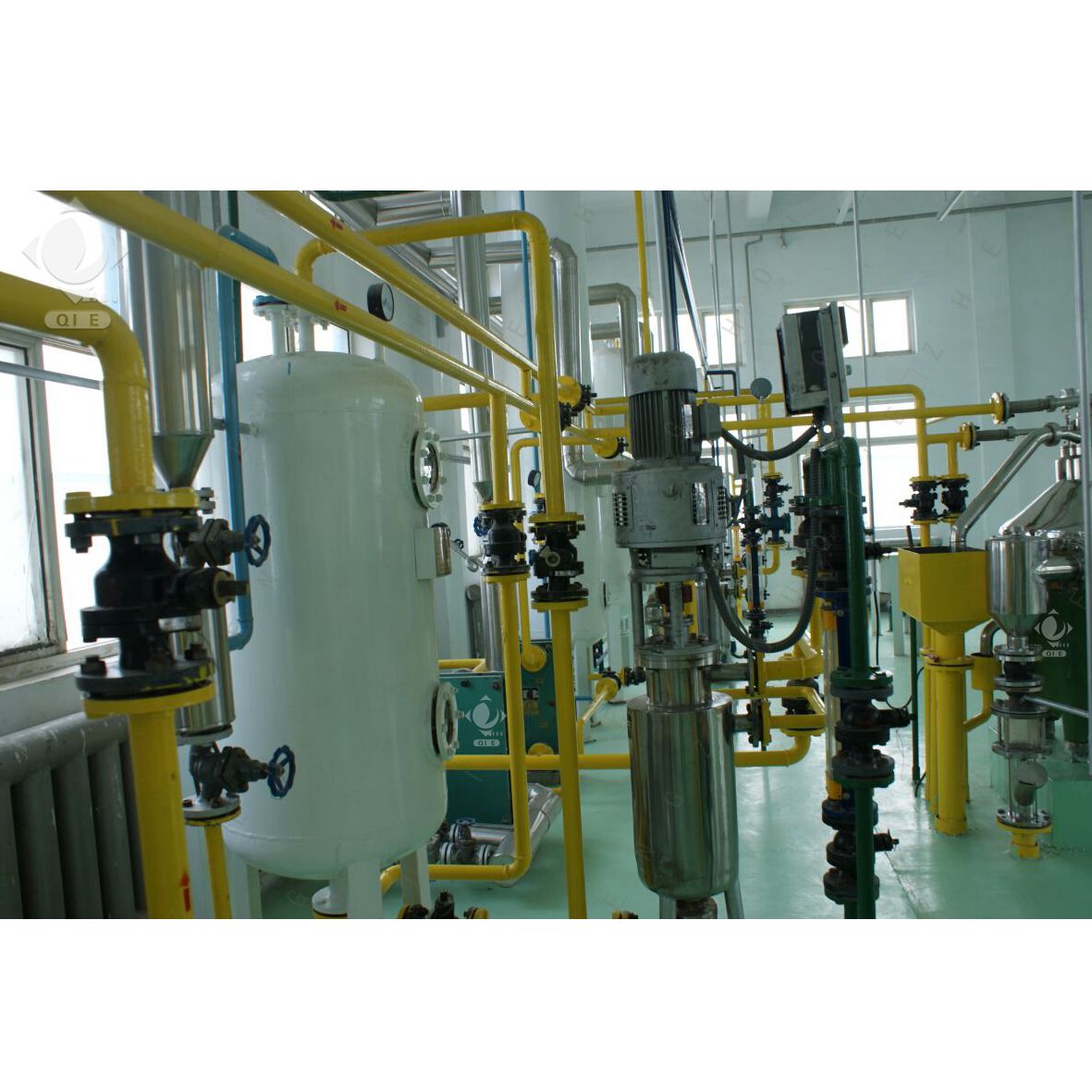
By integrating HACCP principles across all stages—from raw material handling to final packaging—you create a robust quality management system that not only satisfies regulatory bodies but also builds long-term buyer confidence. The result? Higher export margins, fewer rejections, and stronger B2B relationships worldwide.
Explore our modular oil processing solutions designed for global compliance and maximum yield. From cold presses to sterile filling lines—we help you build a reliable, scalable operation trusted by importers in over 30 countries.
Get Your Free Process Optimization Checklist Now