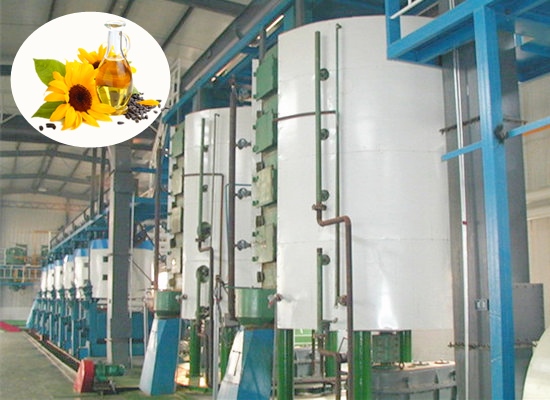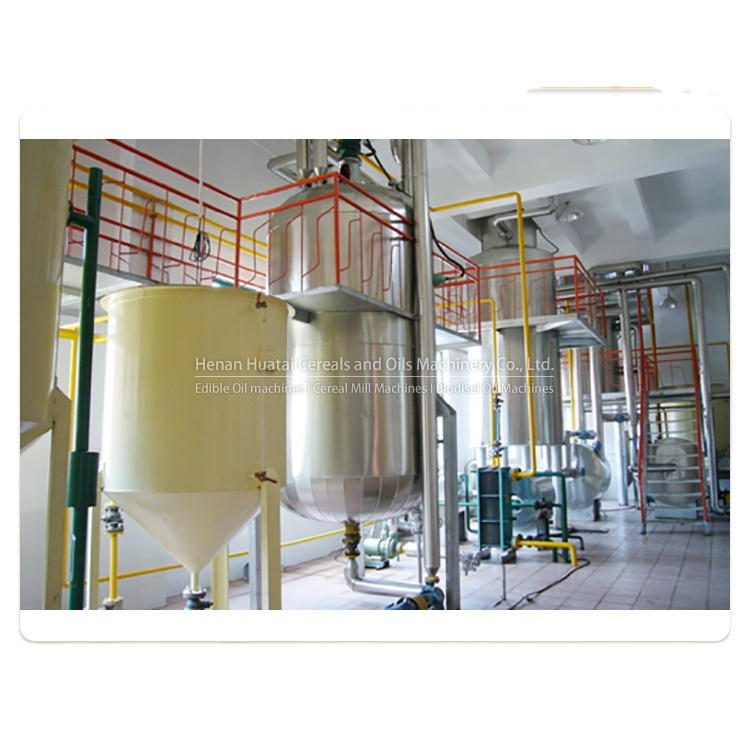
Harnessing the full potential of sunflower seeds for oil extraction requires precise control over multiple technical parameters within the production line. This guide dives into the operational workflow of mid-scale sunflower seed oil pressing, detailing each essential stage from raw material preprocessing to final filtration. Implementing these techniques ensures minimized production errors, elevated extraction efficiency, and superior oil quality, ideal for businesses aiming to standardize processes and improve competitiveness.
Starting with high-quality sunflower seeds is crucial. Seeds should be cleaned thoroughly to remove impurities and foreign matter, which can adversely affect machine performance and oil purity. Moisture content must be adjusted ideally between 8-10% to facilitate optimal pressing conditions.
The subsequent preheating step — typically at 90-110°C for 15 to 20 minutes — softens the seed matrix, improving oil yield. This phase also helps deactivate enzymes that might degrade oil quality. Proper temperature monitoring is essential; overheating beyond 120°C can cause oil spoilage and flavor loss.
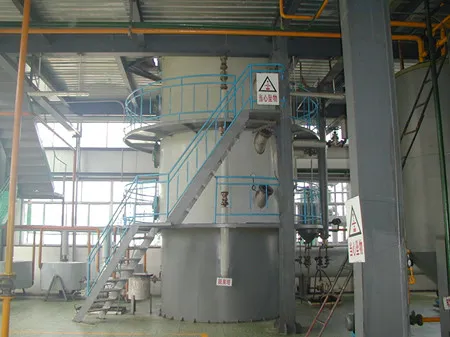
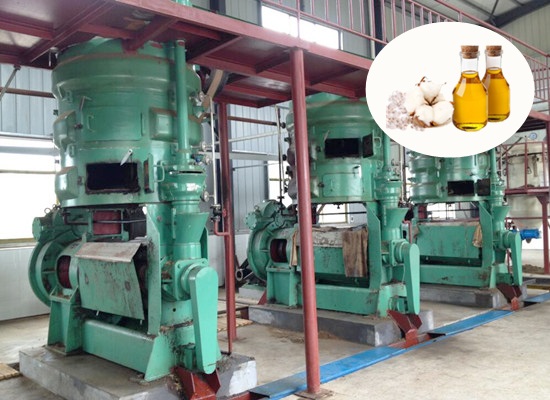
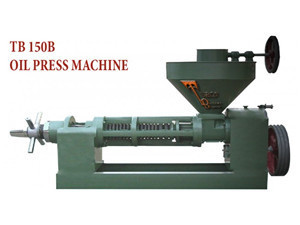
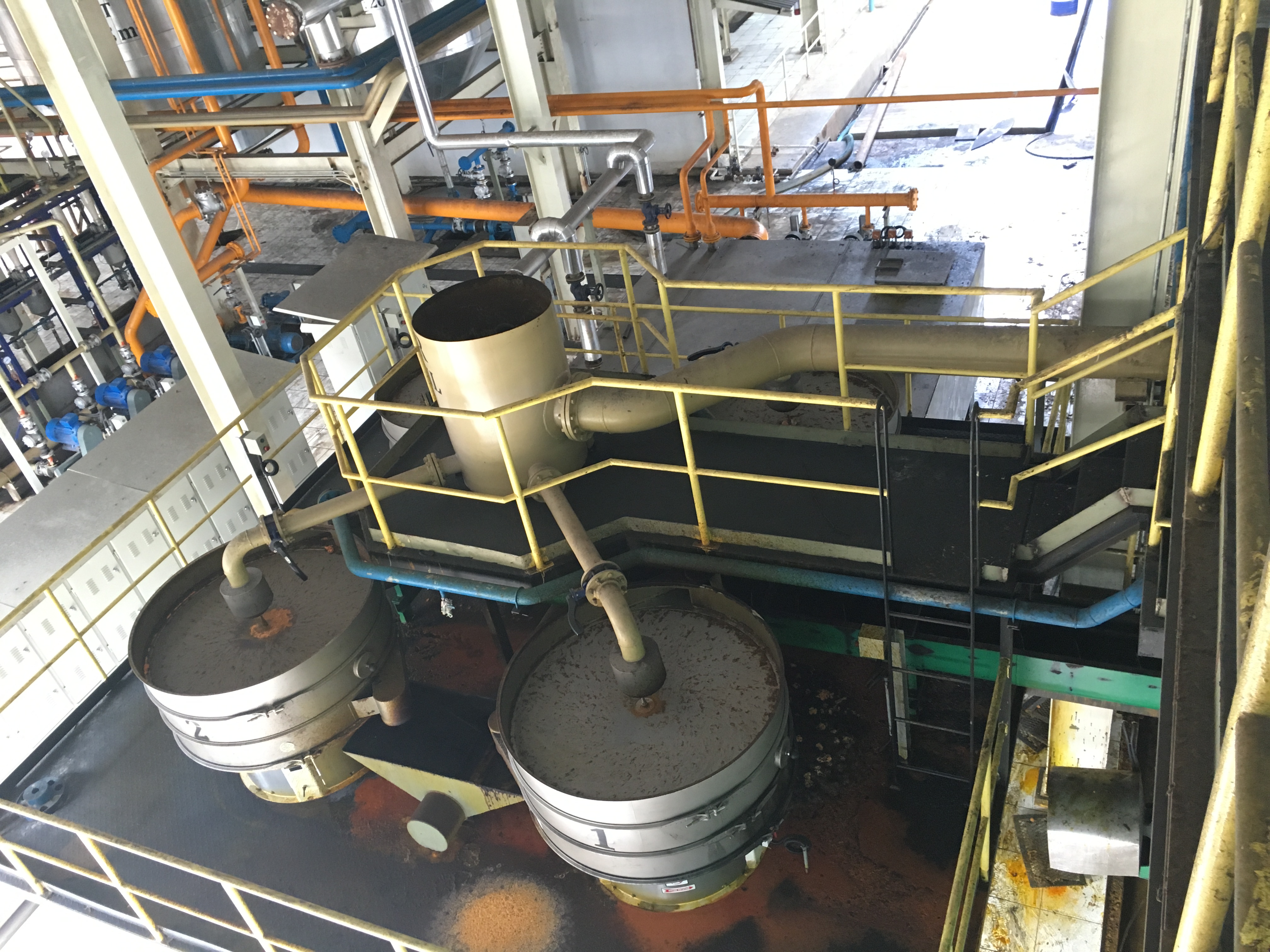
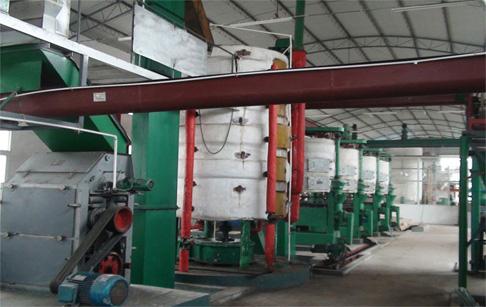
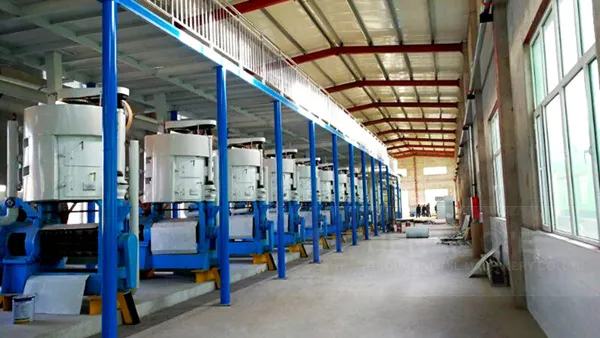
The sunflower seed press is the core of the extraction process. Achieving a steady feed rate with uniform bulk density reduces machine vibration and wear, optimizing operational stability. Operators should monitor feed uniformity closely to avoid overloading or gaps that cause yield drops.
Control of pressing temperature (maintaining between 80-95°C) combined with mechanical pressure — generally ranging from 15 to 25 MPa — directly impacts the extraction efficiency, commonly achieving 85-90% oil yield in mid-scale setups.

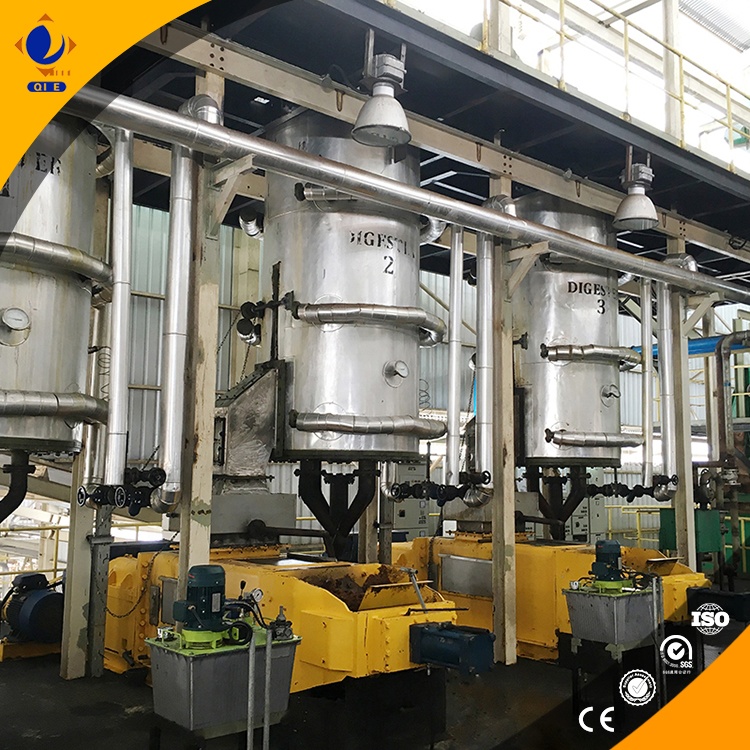
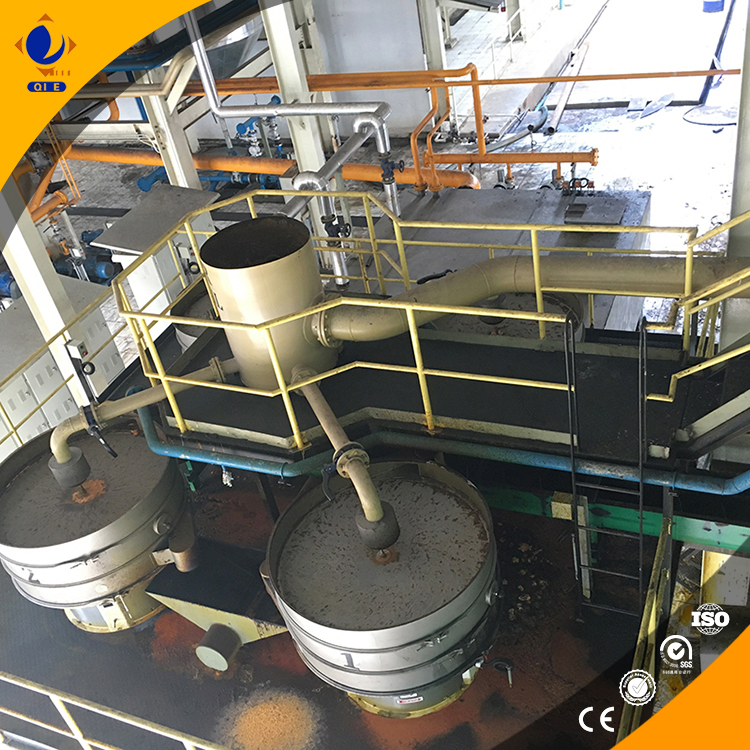
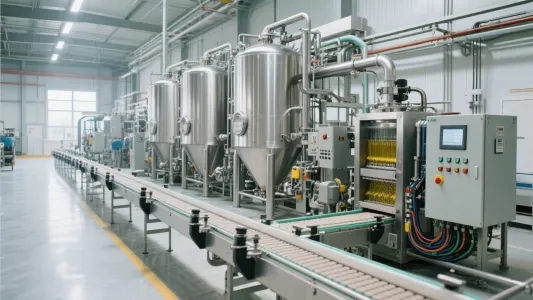
Post-extraction filtration removes suspended solids and impurities that affect stability and shelf life. Multi-stage filtration systems—combining coarse mesh followed by fine membrane filters—ensure turbidity levels fall below 2 NTU (Nephelometric Turbidity Units), a standard for premium sunflower oil.
Maintaining oil temperature around 40-50°C during filtration prevents solidification without compromising antioxidant properties. Regular filter maintenance and timely replacement reduce downtime and ensure continuous production quality.
Integrating automation for temperature and pressure controls reduces human errors significantly. Digital sensors with feedback loops can maintain process parameters within ±2% of target values, enhancing reproducibility. Documenting workflow steps with detailed SOPs (Standard Operating Procedures) improves training efficiency and aligns quality expectations across teams.
Troubleshooting common issues such as clogged presses, inconsistent feed rates, or fluctuating oil yields often relate back to equipment calibration or raw material variability and should be addressed through pre-shift checks and real-time monitoring dashboards.
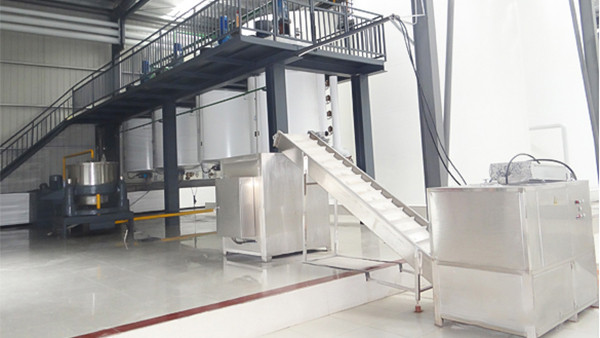
Operators often encounter fluctuations in oil color and clarity, typically linked to inconsistent seed quality or improper preheating durations. Implementing regular raw material inspection and adjusting roasting times based on moisture and seed variety reduces variability.
Pressure spikes causing machine wear may indicate feed blockages or incorrect screw alignment, which can be mitigated by routine mechanical inspections and lubrication as per manufacturer recommendations.
.jpg)
This guide serves as a foundation, enhanced by multimedia resources like detailed diagrams, step-by-step videos, and interactive troubleshooting forums tailored for mid-scale operators and manufacturing managers. Engaging in these communities fosters knowledge exchange and continuous improvement aligned with the latest industry standards and technological innovations.

 363
|
363
|
 sunflower seed oil yield improvement
cold pressing vs hot pressing sunflower oil
sunflower oil production process optimization
sunflower oil pressing technology
edible oil processing equipment
sunflower seed oil yield improvement
cold pressing vs hot pressing sunflower oil
sunflower oil production process optimization
sunflower oil pressing technology
edible oil processing equipment
 439
|
sunflower seed oil mill selection
sunflower oil pressing machine capacity
sunflower oil extraction efficiency
automatic oil press advantages
industrial oil mill automation
439
|
sunflower seed oil mill selection
sunflower oil pressing machine capacity
sunflower oil extraction efficiency
automatic oil press advantages
industrial oil mill automation
 424
|
oilseed preprocessing equipment
efficient vegetable oil production solutions
comprehensive technical support services
424
|
oilseed preprocessing equipment
efficient vegetable oil production solutions
comprehensive technical support services
 376
|
mechanical sunflower seed oil extraction machine
solvent-based sunflower seed oil extraction machine
comparative analysis of sunflower seed oil extraction machines
working principle of sunflower seed oil extraction machines
suitable scenarios for sunflower seed oil extraction machines
376
|
mechanical sunflower seed oil extraction machine
solvent-based sunflower seed oil extraction machine
comparative analysis of sunflower seed oil extraction machines
working principle of sunflower seed oil extraction machines
suitable scenarios for sunflower seed oil extraction machines
 201
|
sunflower oil press selection
small-scale oil extraction efficiency
oil mill automation benefits
sunflower seed oil yield optimization
energy saving in oil pressing equipment
201
|
sunflower oil press selection
small-scale oil extraction efficiency
oil mill automation benefits
sunflower seed oil yield optimization
energy saving in oil pressing equipment