Tutorial Guide • Medium-Scale Sunflower Oil Line Setup
Medium-Scale Sunflower Oil Processing Line Configuration: A Practical End-to-End Setup (Seed to Auto Packing)
If you’re planning a medium-scale sunflower oil production line configuration—typically handling 1–10 tons of sunflower seeds per day—your biggest win is not a single “best machine.” It’s how you connect each step so you avoid bottlenecks, protect oil quality, and keep operating costs predictable. This guide is written for you: the plant owner, project manager, or engineer who wants a line that runs steady, saves energy, and helps every kilogram of sunflower seed pay you back.
Where Medium-Scale Lines Shine (and Why Layout Matters)
Medium-scale plants are the “sweet spot” for many regions: you can supply local retail, foodservice, and bulk buyers without the overhead of a large refinery. In real operations, a well-designed line commonly reaches:
Typical performance targets you can plan around
- Oil content in sunflower seed: ~38–48% (variety + moisture + hull rate)
- Mechanical pressing oil recovery: ~30–40% of seed weight (process dependent)
- Residual oil in press cake: ~6–12% (single press vs re-press)
- Moisture before pressing: typically ~6–9% for stable pressing
- Near-term ROI driver: stable uptime + reduced losses at cleaning, filtration, packing
The “hidden” profit leaks usually come from incorrect seed preparation, over-heating, under-sized filtration, or manual packing errors. Fixing those is how you save time, save rework, and skip expensive detours.
Process Flow Overview (Use This as Your Engineering Checklist)
Suggested infographic for your website / proposal
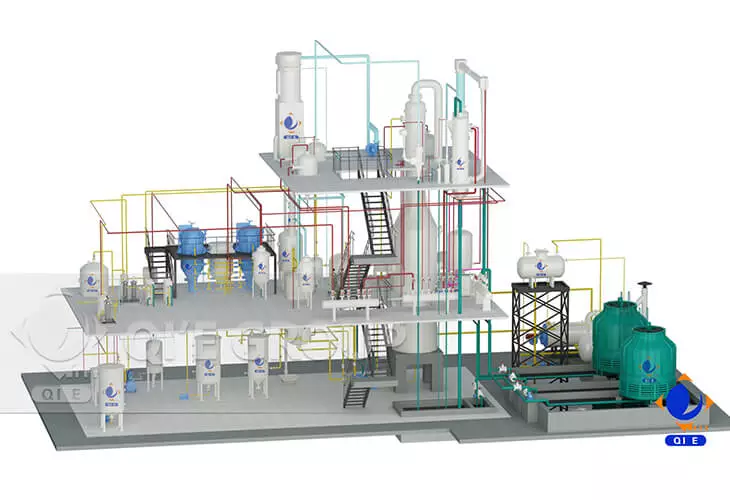
Flowchart: Cleaning & Destoning → (Optional) Dehulling → Conditioning (heat/moisture) → Pressing (Hot / Cold / Combo) → Filtration → (Optional) Refining → Auto Filling & Packing → Cartoning & Palletizing
Keep this flow on one page. When you review vendor quotations, you’ll instantly spot missing modules and capacity mismatches.
Now let’s break the line down step-by-step the way you would in a real project meeting—what the step is for, what equipment fits, and what decisions matter most.
Step 1) Seed Cleaning: Your Outturn Starts Here
Cleaning is not “basic.” It’s the difference between consistent pressing and constant downtime. Typical impurities include dust, stones, stalks, and metal fragments. If they reach the press, you get faster wear, unstable pressure, and darker oil.
Equipment pairing logic (practical)
| Module | Purpose | Control point you should ask for |
|---|---|---|
| Vibrating cleaner / screen | Remove big + fine impurities | Screen sizing for your seed grade + easy changeover |
| Destoner | Protect screws & cages from stones | Stable airflow + low seed loss |
| Magnet / metal detector | Stop metal damage & contamination | Magnet strength, easy cleaning, safe positioning |
If your line is sized at 1–10 TPD, you still want cleaning sized with margin—because one clogged screen can quietly cut your throughput for the whole shift.
Step 2) Dehulling (Optional): When It Pays, and When It’s Overkill
Dehulling is one of the most misunderstood choices in sunflower oil production process design. Hulls can increase fiber and affect press behavior and oil color. Removing part of the hull can improve pressing stability and reduce waxes—especially important if you target premium “clear” oil or want smoother refining.
A real-world lesson that helps you avoid the same mistake
In one cooperative-scale project, the plant skipped dehulling to save initial cost. The result: press cake came out “soft” and oil carried more solids. After three months, they measured an effective oil yield loss of ~10–15% due to unstable pressing, higher filtration load, and more oil trapped in cake. The fix later cost more than a correctly sized dehulling module from day one.
Your decision should follow your product positioning:
- Premium bottled oil: consider partial dehulling for cleaner pressing and more consistent color.
- Bulk crude oil / industrial buyers: you may skip dehulling if your filtration + refining plan can handle it.
- High-protein meal target: dehulling can improve meal value depending on your market.
Step 3) Pressing Strategy: Hot Press vs Cold Press (and Why Combo Often Wins)
This is the core of your sunflower oil press machine selection. The truth: neither hot nor cold pressing is “best” by default. Your target is to balance yield, flavor profile, nutrients, and operational stability.
Hot vs Cold Press: practical comparison you can use in planning
| Item | Hot Press (with conditioning) | Cold Press |
|---|---|---|
| Typical oil recovery | Higher, often +3–8% vs cold (seed dependent) | Lower, but premium positioning |
| Oil profile | More “toasted” notes; more impurities need handling | Lighter aroma; perceived as “natural” by many buyers |
| Stability in production | Stable if conditioning is controlled | Can be sensitive to moisture/temperature variations |
| Best for | Max yield + robust daily operation | Premium bottled oil + marketing story |
Why many medium-scale plants choose a hot press + cold press combination: you can run a stable, high-yield base output (hot press), and keep a separate premium SKU (cold press) for higher-margin retail channels—without redesigning the whole factory later.
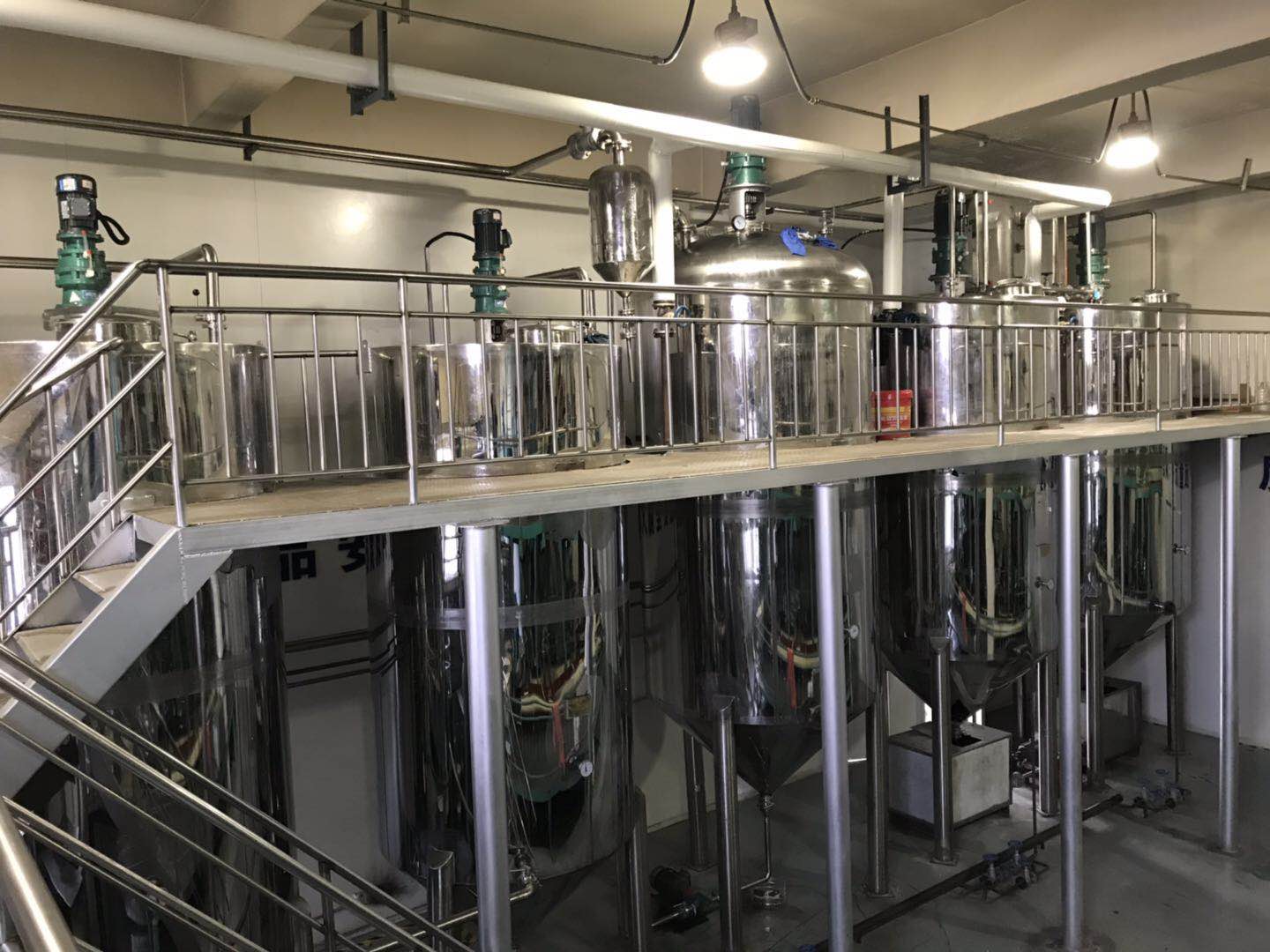
One practical tip that helps you avoid expensive trial-and-error: ask your supplier for a pressing test plan. Provide your seed specs (moisture, foreign matter, oil content, hull rate). Then request a recommended conditioning temperature range and expected residual oil in cake. If they won’t commit to measurable targets, you may be buying guesswork.
Step 4) Filtration: The Most Common Bottleneck in 1–10 TPD Plants
Filtration is where many plants lose hours every week. If your press outputs crude oil with fine solids and you undersize filtration, your tanks fill with “unfilterable” oil and your packing line sits idle.
For medium-scale capacity, many operations use a staged approach:
- Primary settling / buffer tank: reduces sudden load on filters.
- Plate & frame filter press or leaf filter: stable clarity for packing or refining feed.
- Polishing filter (optional): if you sell in clear bottles and want consistent appearance.
Quality checkpoints you can actually measure
- Oil clarity consistency: check turbidity/visual clarity per batch (same bottle, same light).
- Filter cycle time: log minutes per cycle to spot seed changes early.
- Oil loss in filter cake: reduce with correct cloth + pressure + precoat (if used).
Step 5) Refining (Optional): When You Need It, and What “Good” Looks Like
Not every medium plant needs full refining, but many do—especially when selling to supermarkets, exporters, or buyers with strict specs. A practical sunflower oil refining technology path often includes:
Common refining modules (choose by your market requirement)
- Degumming: reduces phospholipids for better stability.
- Neutralization: reduces free fatty acids (FFAs) for milder taste and longer shelf life.
- Bleaching: improves color; helps remove oxidation by-products.
- Deodorization (if required): for a neutral, “clean” profile.
If you’re not ready for full refining, you can still plan your facility for future upgrade: reserve floor space, add pipe interfaces, and keep tanks positioned to avoid ripping up the plant later.
Step 6) Automatic Filling & Packing: Reduce Human Error, Protect Your Brand
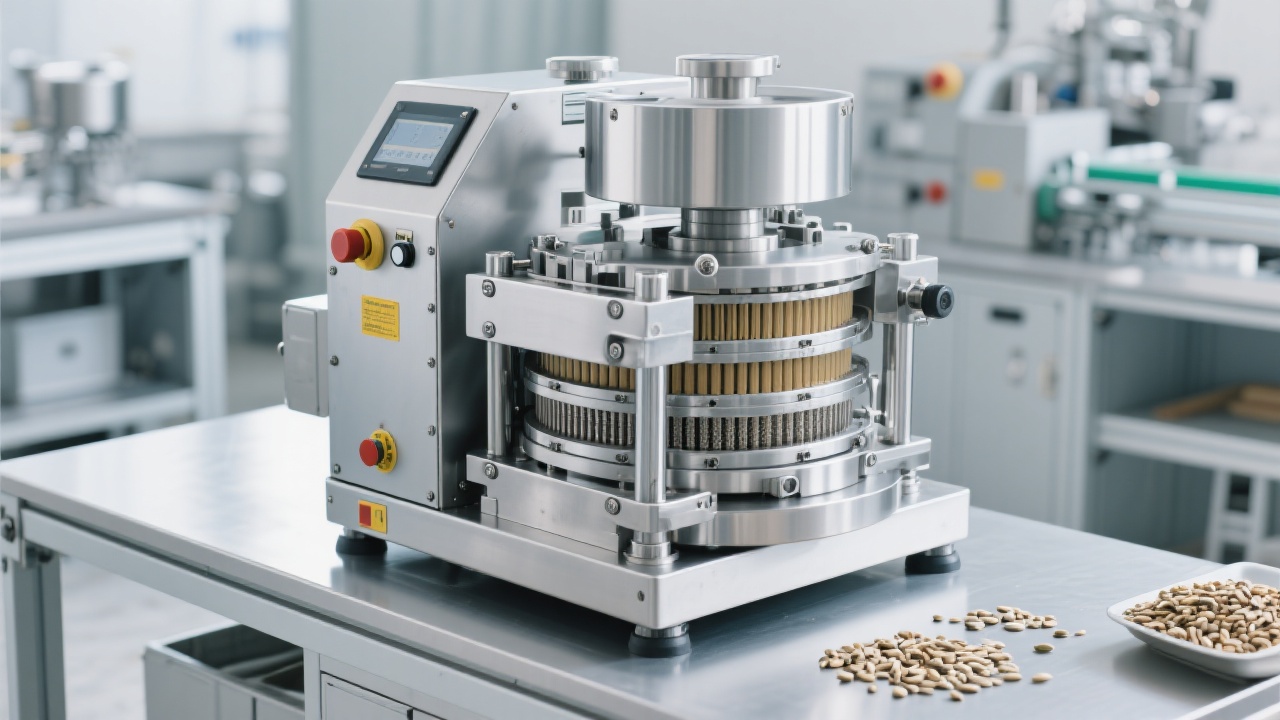
Your packaging is where quality becomes visible. A fully automatic oil packing machine setup reduces underfill/overfill, lowers contamination risk, and stabilizes daily output. For many 1–10 TPD plants, semi-auto may look cheaper—until you count labor variation, rework, and customer complaints.
Packing line controls that prevent “silent” losses
- Volumetric or mass flow control: keep fill accuracy stable across temperature changes.
- Cap torque control: reduces leakage in transport and storage.
- No-bottle-no-fill logic: prevents spills and messy sanitation issues.
- Inline coding/label check: avoids shipment holds due to label errors.
If you’re building under the QIE Group quality mindset, packaging is not the last step—it’s your final quality gate.
Maintenance & Daily Management: Keep Uptime High Without Overstaffing
Medium-scale lines win when they’re simple to run. If you depend on one “hero technician,” your risk is high. Build routine checks into your shift handover:
Daily checklist (quick, high impact)
- Log seed moisture + foreign matter. Don’t “eyeball” it.
- Record press motor load/amp draw; rising load often signals a coming jam.
- Check filter differential pressure and cycle time—early warning for process drift.
- Verify filling accuracy by sampling every fixed number of bottles.
These small routines are how you keep your plant steady when seed quality changes week to week.
Common Mistakes (So You Don’t Pay Tuition in Production)
Here are the “repeat offenders” that cause most medium-plant frustration:
- Undersized filtration: press runs, packing stops—your inventory becomes sludge.
- Skipping process buffers: no settling tank, no flexibility, constant start-stop losses.
- Wrong moisture control: either poor yield or poor cake discharge.
- Buying machines without a line concept: individually “good” equipment that doesn’t match capacities.
If you want to make every kilogram of sunflower seed worth the ticket price, prioritize line balance and controllable parameters over flashy specs.
Want a No-Guesswork Medium-Scale Sunflower Oil Production Line Configuration?
Get a practical line proposal (process flow + equipment list + capacity matching points) designed to help you avoid wrong sizing, stabilize oil quality, and shorten commissioning time.
Request a Medium-Scale Sunflower Oil Processing Line SolutionSuggested info to send: daily capacity target, seed moisture range, dehulling preference, hot/cold press positioning, bottle size(s), and your power/space limits.
A quick question for you (so you can choose the right path)
Are you aiming to sell cold-pressed premium bottled oil, bulk crude oil, or refined retail-grade oil—and what daily seed intake (in tons) do you want the line to hit reliably?