Are you planning to establish a medium-scale sunflower oil production line but feeling overwhelmed by the complex process and equipment selection? You're not alone. Many entrepreneurs invest heavily only to face issues like low oil yield (often below 35% instead of the expected 45-50%), poor oil quality, or inefficient operations. In this guide, we'll walk you through the complete process from seed cleaning to automatic packaging, helping you avoid 90% of the common pitfalls that plague new entrants in the edible oil processing industry.
Medium-scale production typically refers to processing 1-10 tons of sunflower seeds per day, which translates to approximately 450-4500 tons annually (considering 300 working days). This scale offers an ideal balance between investment and return, requiring a initial investment ranging from $80,000 to $350,000 depending on automation levels and processing capacity.
The core challenge lies in configuring a production line that maximizes oil yield (targeting 48-52% for high-quality sunflower seeds) while maintaining oil quality and operational efficiency. Penguin Group, a leading provider of edible oil processing solutions, has helped over 500 medium-scale producers achieve optimal配置 through their expertise in process integration.
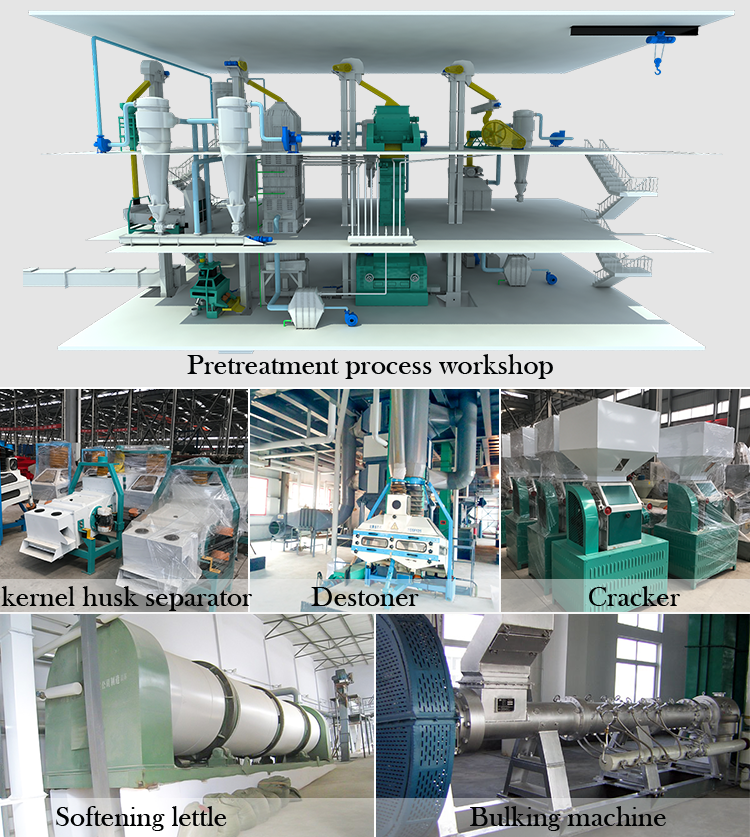
The foundation of quality oil production starts with thorough seed cleaning. Impurities such as stones, dirt, and broken seeds must be removed to prevent equipment damage and oil contamination. A multi-stage cleaning system typically includes:
Proper cleaning increases oil yield by 2-3% and significantly reduces maintenance costs. Many new producers underestimate this step, leading to premature equipment wear and lower quality oil.
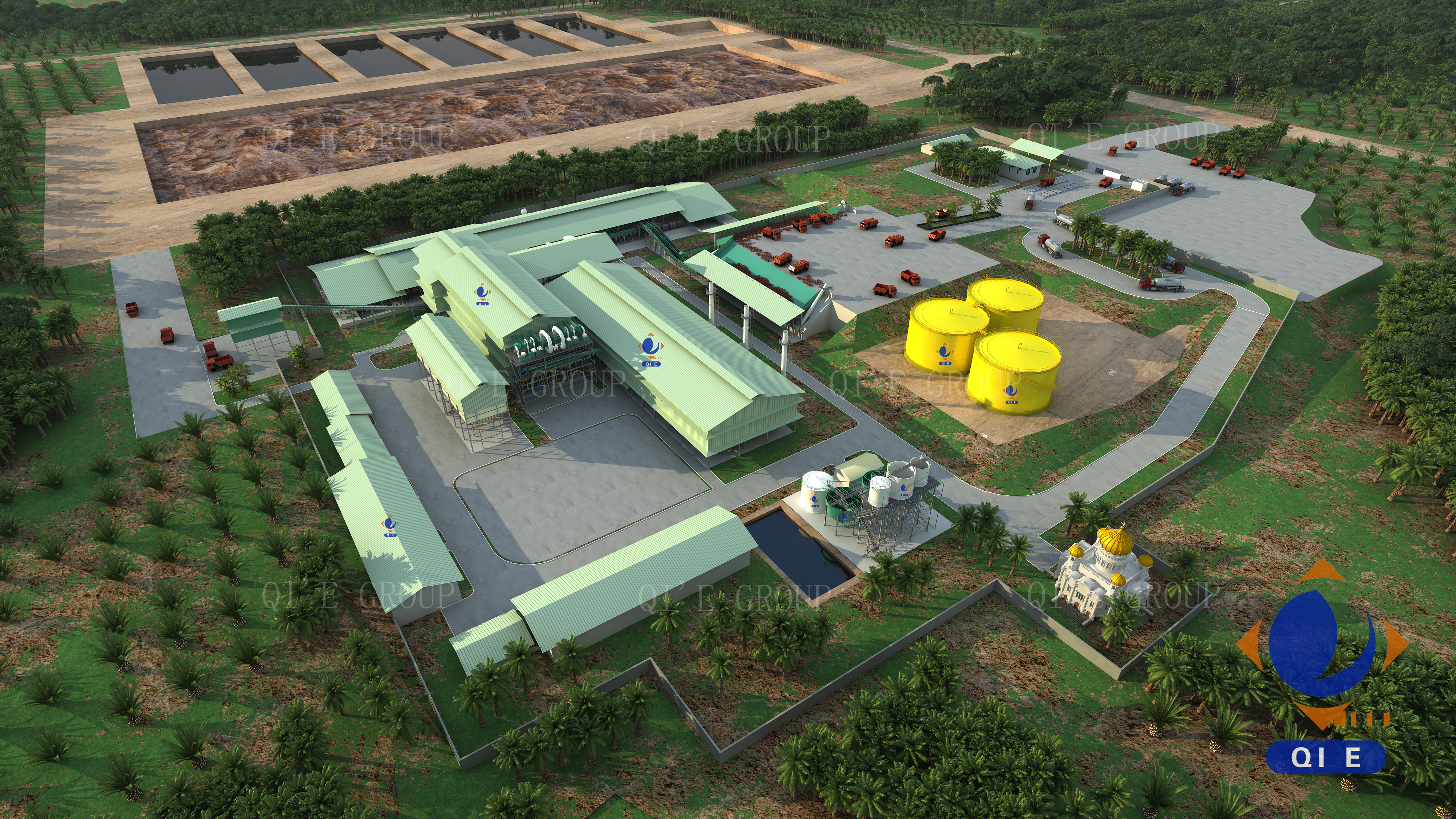
Sunflower seed dehulling is often overlooked but crucial for both oil quality and yield. The hull, which constitutes 20-30% of the seed weight, contains minimal oil and can impart undesirable flavors and colors if not removed.
A case study from a Romanian plant illustrates this point: after implementing Penguin Group's dehulling system, the producer saw a 12% increase in oil yield and a significant improvement in oil color (from 35 Red to 22 Red on the Lovibond scale). The dehulling process typically achieves 95-98% hull removal efficiency, with the separated hulls repurposed as animal feed, creating an additional revenue stream.
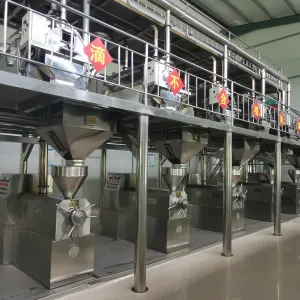
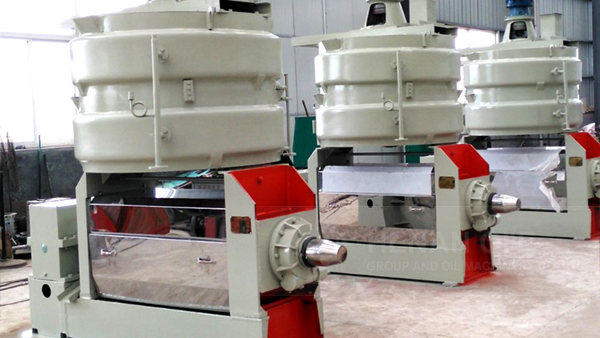
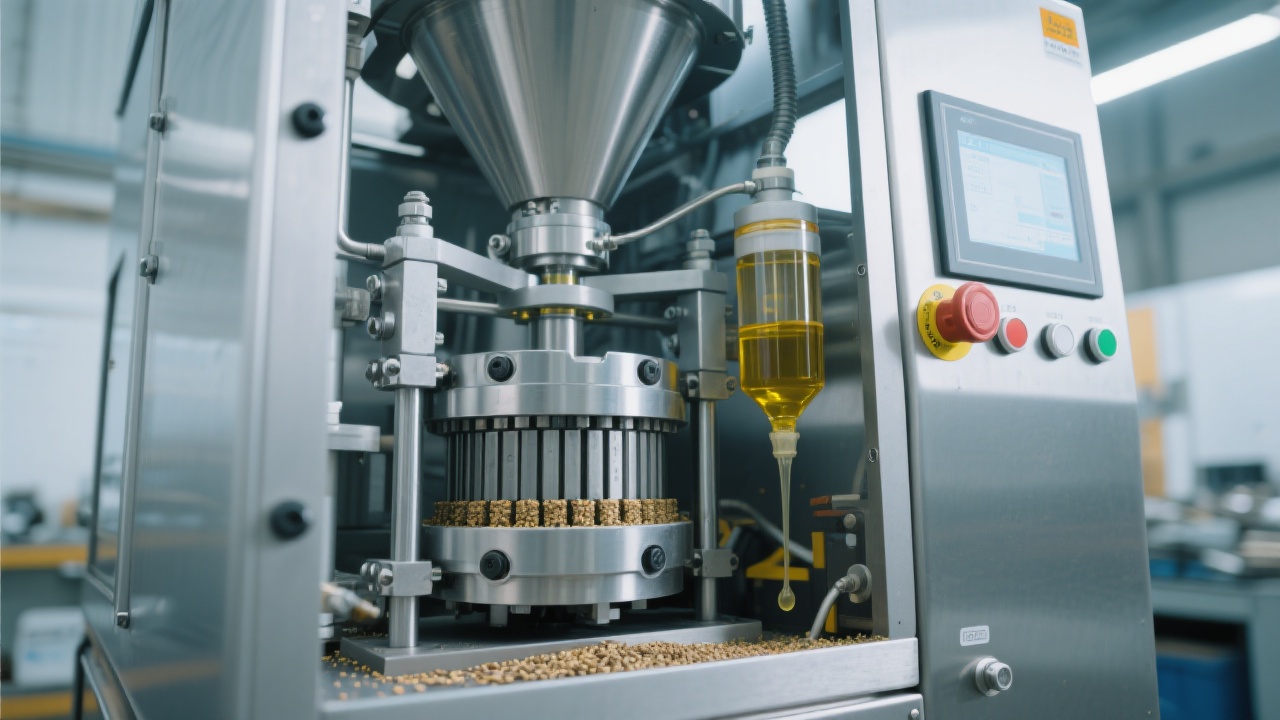
The decision between cold pressing and hot pressing significantly impacts both oil quality and production economics. While cold pressing preserves more nutrients and requires less processing, hot pressing offers higher yields and better flavor development.
| Parameter | Cold Pressing | Hot Pressing |
|---|---|---|
| Oil Yield | 38-42% | 48-52% |
| Processing Temperature | Below 40°C | 100-120°C |
| Nutrient Retention | Higher | Lower |
| Refining Requirements | Minimal | More extensive |
Many successful medium-scale operations opt for a hybrid approach, using hot pressing for higher yield while implementing precise temperature control to maintain oil quality. Penguin Group's dual-temperature pressing system allows operators to switch between modes based on market demand and seed quality.
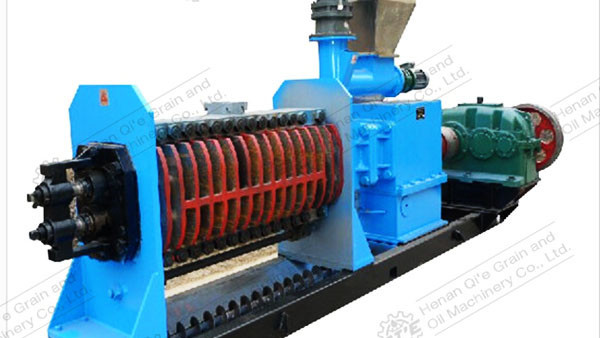
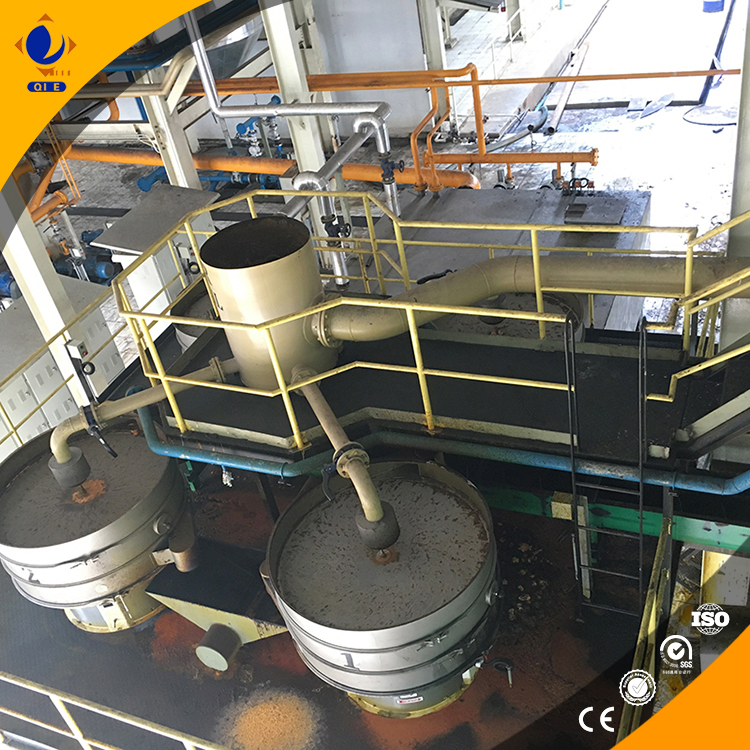
Crude sunflower oil contains impurities such as phospholipids, free fatty acids, and pigments that must be removed to meet food safety standards and consumer expectations. The filtration process alone can improve oil clarity and shelf life, but complete refining is necessary for premium market positioning.
Filter precision directly impacts refining efficiency. Using a 1-5 micron filtration system can reduce refining time by 30% and chemical usage by 25%. Penguin Group's membrane filtration technology achieves this level of precision while minimizing oil loss during processing.
The refining process typically includes degumming, neutralization, bleaching, and deodorization, transforming crude oil into a clear, odorless product with a smoke point above 230°C—ideal for cooking applications.
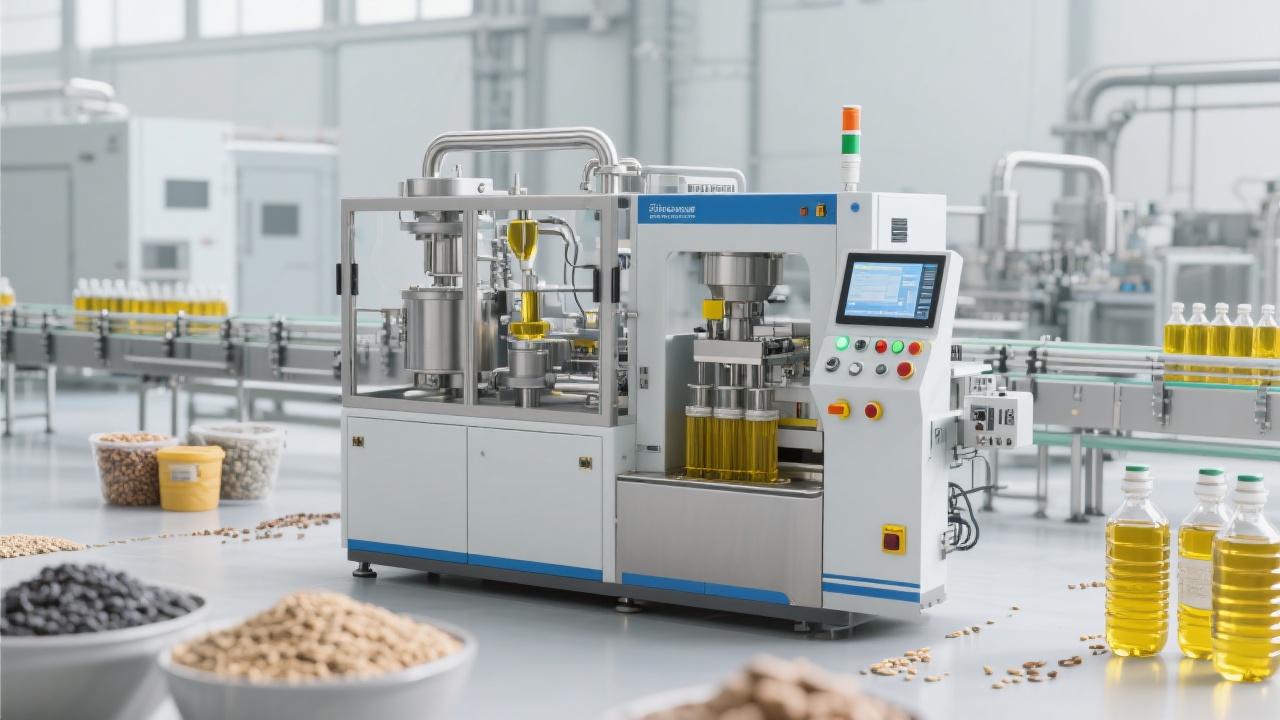
The final step in the production line is packaging, where automation delivers significant benefits in terms of efficiency, hygiene, and brand presentation. Manual packaging not only increases labor costs but also introduces risks of contamination and inconsistent fill levels.
Modern automatic packaging lines can handle various container sizes (from 500ml bottles to 20L jerry cans) with filling accuracy of ±1ml. This level of precision reduces product giveaway and ensures compliance with weight regulations. Additionally, integrated coding and labeling systems enhance traceability—a growing requirement in many markets.
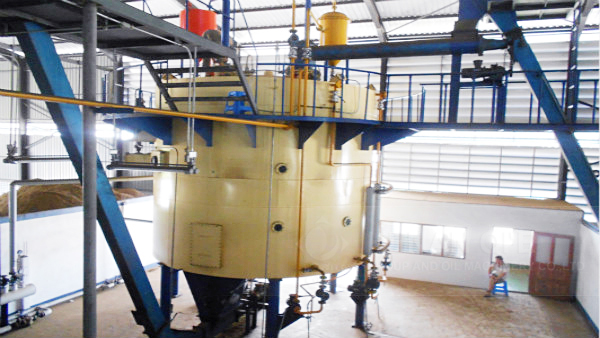
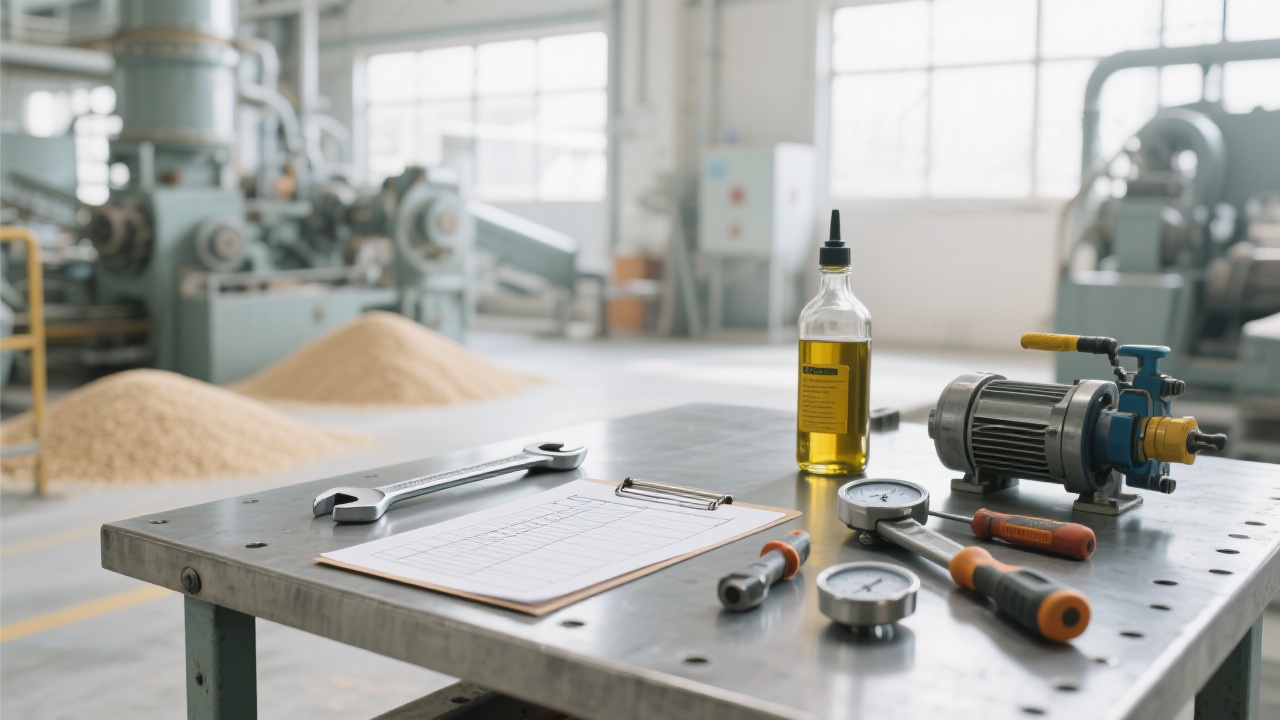
Maximizing uptime and extending equipment lifespan requires a proactive maintenance approach. A well-implemented maintenance program can reduce unplanned downtime by 40% and extend equipment life by 3-5 years.
Common issues like decreased oil yield or quality can often be traced to preventable causes. For example, a 5°C drop in pressing temperature can reduce yield by 2-3%, while inadequate seed cleaning leads to higher maintenance costs and equipment wear.
Avoid costly mistakes and maximize your return on investment with a customized solution from industry experts. Penguin Group's turnkey solutions ensure that every component works in harmony, making your production line efficient, reliable, and profitable from day one.
Get Your Personalized Production Line AssessmentA: With proper configuration and market conditions, most producers achieve payback within 12-18 months. Factors affecting this include raw material costs, oil prices, and operational efficiency. Penguin Group's clients average a 14-month payback period through optimized process design.
A: A complete line typically requires 300-400 square meters, plus additional space for raw material and finished product storage. Proper layout planning can optimize workflow and reduce energy consumption by up to 15%.
A: Yes, modular design allows for capacity expansion. Starting with a 2-ton line, you can typically upgrade to 5-ton capacity with minimal additional investment. Penguin Group specializes in scalable solutions that grow with your business needs.

 297
|
297
|
 High-quality cold-pressed sunflower oil selection
How to distinguish cold-pressed sunflower oil
Cold-pressed oil nutritional component detection
Sunflower oil purchase guide
Cold-pressing process identification method
High-quality cold-pressed sunflower oil selection
How to distinguish cold-pressed sunflower oil
Cold-pressed oil nutritional component detection
Sunflower oil purchase guide
Cold-pressing process identification method
 310
|
automated sunflower seed oil grinder
sunflower oil processing equipment
medium-scale oil plant machinery
oil press automation
sunflower seed oil production efficiency
483
|
cold pressed sunflower oil quality
how to identify cold pressed oil
sunflower oil nutritional analysis
healthy cooking oil selection
cold press certification standards
310
|
automated sunflower seed oil grinder
sunflower oil processing equipment
medium-scale oil plant machinery
oil press automation
sunflower seed oil production efficiency
483
|
cold pressed sunflower oil quality
how to identify cold pressed oil
sunflower oil nutritional analysis
healthy cooking oil selection
cold press certification standards
 490
|
Cold-pressed sunflower oil machine
Small-batch oil machine selection
Cold-pressed oil machine maintenance
Healthy sunflower oil production
Cold-pressing equipment operation guide
490
|
Cold-pressed sunflower oil machine
Small-batch oil machine selection
Cold-pressed oil machine maintenance
Healthy sunflower oil production
Cold-pressing equipment operation guide
 224
|
sunflower oil filtration
automatic backwash filter cartridge
edible oil purification
filter system selection
oil refining equipment
224
|
sunflower oil filtration
automatic backwash filter cartridge
edible oil purification
filter system selection
oil refining equipment