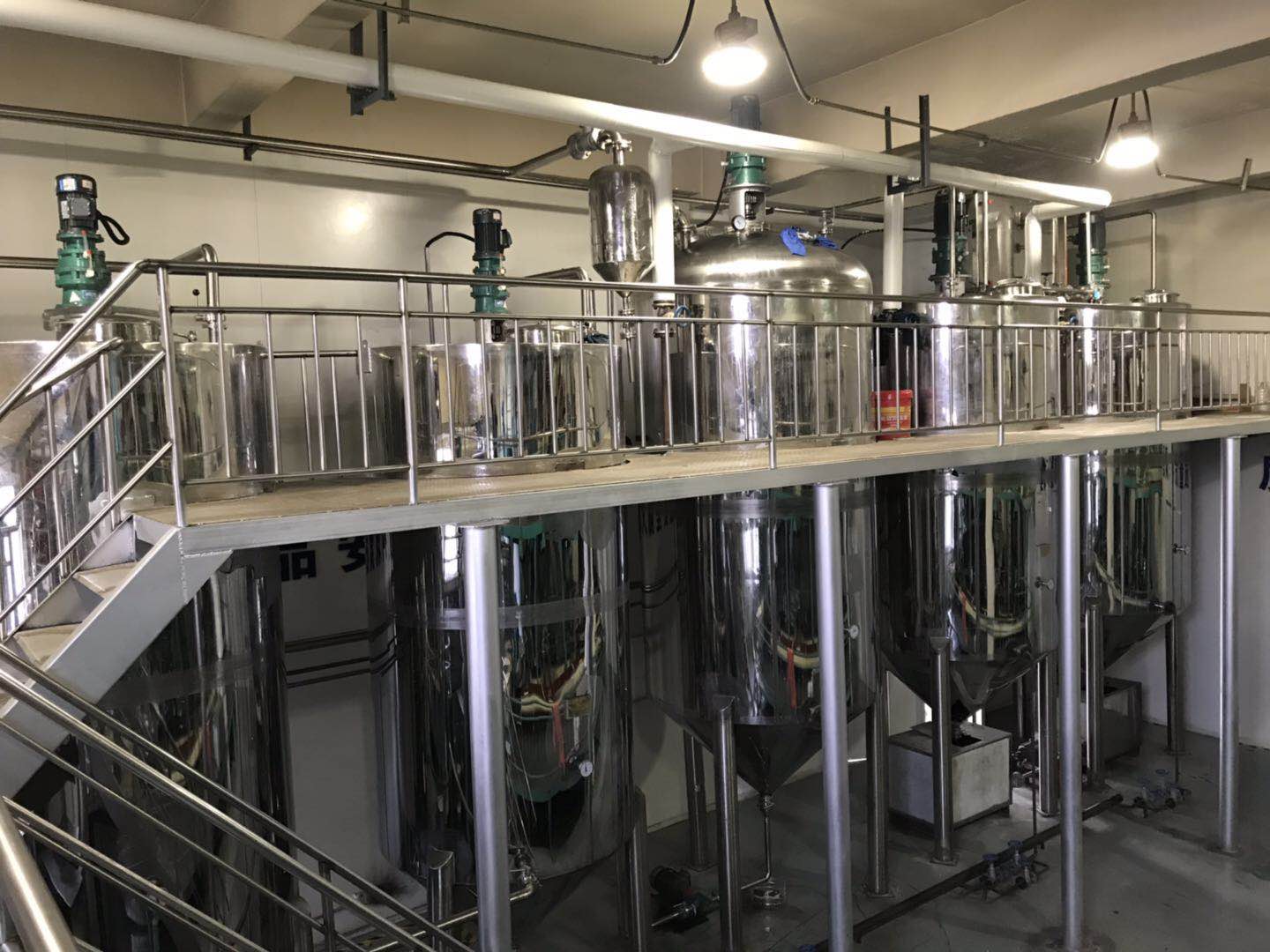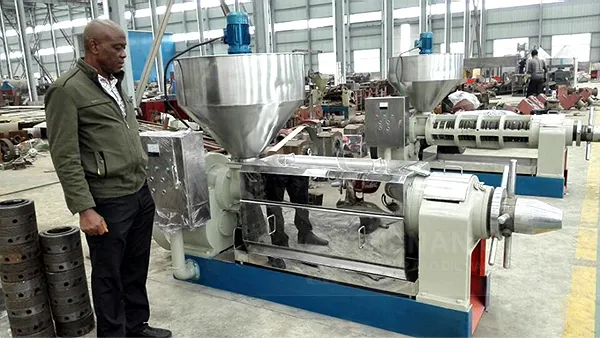
In the competitive edible oil processing industry, every percentage point in oil yield translates directly to profitability. For medium-scale processors, investing in the right equipment can mean the difference between marginal returns and sustainable growth. This article explores how modern medium-sized dehulled sunflower oil press machines are revolutionizing oil extraction efficiency, with a focus on technological advancements that deliver measurable results for businesses of all sizes.
Sunflower seeds typically contain 20-25% hull, which is essentially fiber with minimal oil content. Traditional pressing methods that process unhulled seeds force operators to choose between two undesirable outcomes: either accepting lower oil yields or subjecting the final product to extensive refining to remove impurities. According to industry research, dehulling prior to pressing can increase oil yield by 8-12% while simultaneously reducing processing time by up to 15%.
"Dehulling technology has transformed our operation. We've seen a consistent 10% increase in oil yield since implementing Penguin Group's medium-sized dehulled press, while our maintenance costs have decreased due to reduced wear on machinery from hull particles."
— Maria Ivanova, Operations Director, Balkan Sunflower Oils Ltd.
The dehulling process works by first cracking the seed coat through controlled mechanical action, then separating the hull from the kernel using airflow and screening. This not only increases the oil-bearing material in the feedstock but also reduces the formation of colloids during pressing, resulting in clearer crude oil that requires less refining.
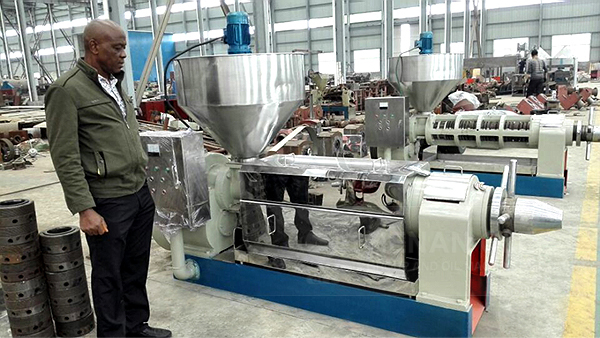
Cold pressing operates at temperatures below 49°C (120°F), preserving the oil's natural antioxidants, fatty acids, and flavor profiles. This method is particularly valued for producing premium, high-value oils targeting health-conscious consumers and specialty food manufacturers. While cold pressing typically yields 2-3% less oil than hot pressing, the resulting product can command 15-25% higher market prices in specialty segments.
Hot pressing involves preheating seeds to 60-100°C before extraction, which ruptures oil-bearing cells and reduces viscosity, allowing for higher throughput and extraction efficiency. Commercial processors often prefer this method for standard edible oil production, where volume and efficiency are primary concerns. Modern hot press systems with precise temperature control can achieve extraction rates of 92-95% of the available oil in dehulled sunflower seeds.
| Parameter | Cold Press | Hot Press |
|---|---|---|
| Temperature Range | <49°C (120°F) | 60-100°C (140-212°F) |
| Typical Yield | 88-90% | 92-95% |
| Oil Quality | High, minimal processing | Good, requires refining |
| Energy Consumption | Lower | Higher |
| Best For | Premium, specialty oils | Commercial, high-volume production |
Consider the case of a mid-sized processor in Romania with a capacity of 500 kg/hour of sunflower seeds. After upgrading to a Penguin Group medium-sized dehulled press system, they documented the following improvements over their previous non-dehulling equipment:
These results align with industry benchmarks, where dehulling technology typically delivers payback periods of 8-14 months for medium-scale operations. The key driver of this rapid ROI is the dual benefit of increased oil production and reduced downstream processing costs.
The global sunflower oil market is projected to grow at a CAGR of 4.3% through 2028, driven by increasing consumer demand for healthy cooking oils and expanding food processing industries in emerging markets. Within this growth trajectory, medium-scale processors are positioned to capture significant value by leveraging technology that bridges the gap between small-scale artisanal production and large industrial operations.
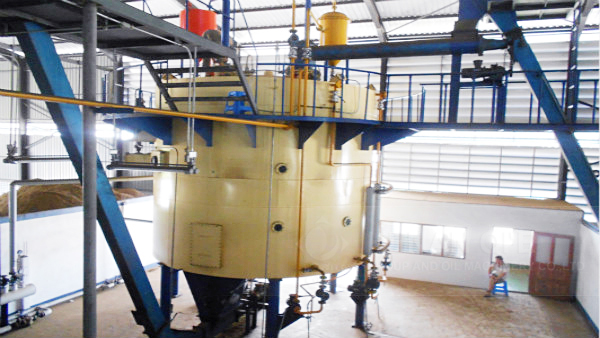
Key trends influencing equipment selection include rising energy costs (driving demand for energy-efficient systems), stricter quality standards (emphasizing clean extraction technologies), and labor challenges (increasing interest in automated solutions). Modern medium-sized dehulled press systems address all these factors through advanced design features like variable speed drives, automated hull separation, and integrated oil filtering.
Discover how Penguin Group's medium-sized dehulled sunflower oil press can deliver measurable improvements to your bottom line through enhanced oil yield and processing efficiency.
Get Your Customized Processing SolutionAs the industry evolves, the processors who thrive will be those who strategically invest in technologies that deliver both immediate operational improvements and long-term competitive advantage. The integration of dehulling technology in medium-sized press systems represents one such investment—offering a clear path to increased profitability through science-backed efficiency gains.

 362
|
362
|
 cold-pressed sunflower oil
premium edible oils
cold-pressing technology
nutritional retention
global edible oil market
cold-pressed sunflower oil
premium edible oils
cold-pressing technology
nutritional retention
global edible oil market
 484
|
medium sunflower oil press machine
sunflower seed oil extraction process
crude oil filtration technology
oil pressing process optimization
commercial oil extraction equipment
195
|
small cold press oil machine
cold pressed sunflower oil equipment
oil press capacity selection
cold press oil machine configuration
small scale oil extraction
288
|
Cold-pressed sunflower oil
Cold-pressed vs hot-pressed
Nutritional components of sunflower oil
Healthy cooking oil
Low-temperature pressing technology
484
|
medium sunflower oil press machine
sunflower seed oil extraction process
crude oil filtration technology
oil pressing process optimization
commercial oil extraction equipment
195
|
small cold press oil machine
cold pressed sunflower oil equipment
oil press capacity selection
cold press oil machine configuration
small scale oil extraction
288
|
Cold-pressed sunflower oil
Cold-pressed vs hot-pressed
Nutritional components of sunflower oil
Healthy cooking oil
Low-temperature pressing technology
 494
|
cold-pressed sunflower oil
sunflower oil equipment selection
oil quality parameters
antioxidant capacity testing
cold-pressing process identification
494
|
cold-pressed sunflower oil
sunflower oil equipment selection
oil quality parameters
antioxidant capacity testing
cold-pressing process identification

.jpg)