In medium-scale sunflower seed oil production lines, the dehulling process stands as a pivotal determinant in optimizing both oil yield and pressing efficiency. Effective dehulling not only enhances the oil extraction rate by 10-15%, but also improves the nutritional profile of the residual seed cake, boosting its protein content and market value. This article explores the intricate mechanics and operational principles of modern dehulling machines, providing production managers and technical buyers with an in-depth understanding of equipment selection and integration tailored for capacities ranging from 1 to 10 tons per day.
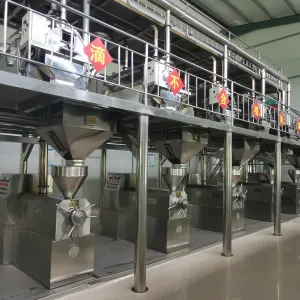
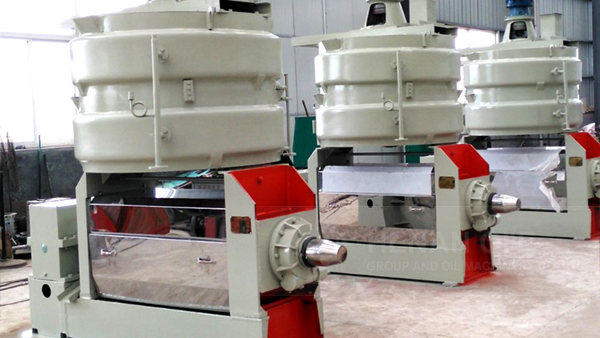
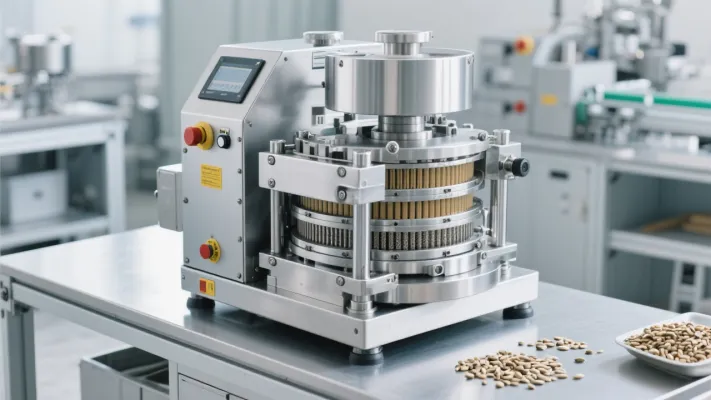
Dehulling machines are engineered to mechanically separate sunflower seed shells from kernels, leveraging differences in hardness and structural integrity. Popular designs combine roller-crusher mechanisms with air aspiration systems, enabling simultaneous shell breaking and lightweight shell removal.
Roller-type crushers apply controlled pressure to fracture shells without damaging the kernels, while integrated pneumatic wind selectors efficiently segregate broken shell fragments from the heavier kernels. This dual-stage design minimizes kernel loss, maintaining high seed integrity essential for optimal oil extraction.
Industry data consistently shows that incorporating advanced dehulling technology can boost oil yield by an average of 12%, with some plants reporting up to 15% improvement compared to non-dehulled processing. The removal of shells reduces bulk density and improves pressing characteristics, leading to:
These improvements translate directly into higher profitability for medium-scale enterprises, enabling a balanced optimization of yield and downstream processing costs.
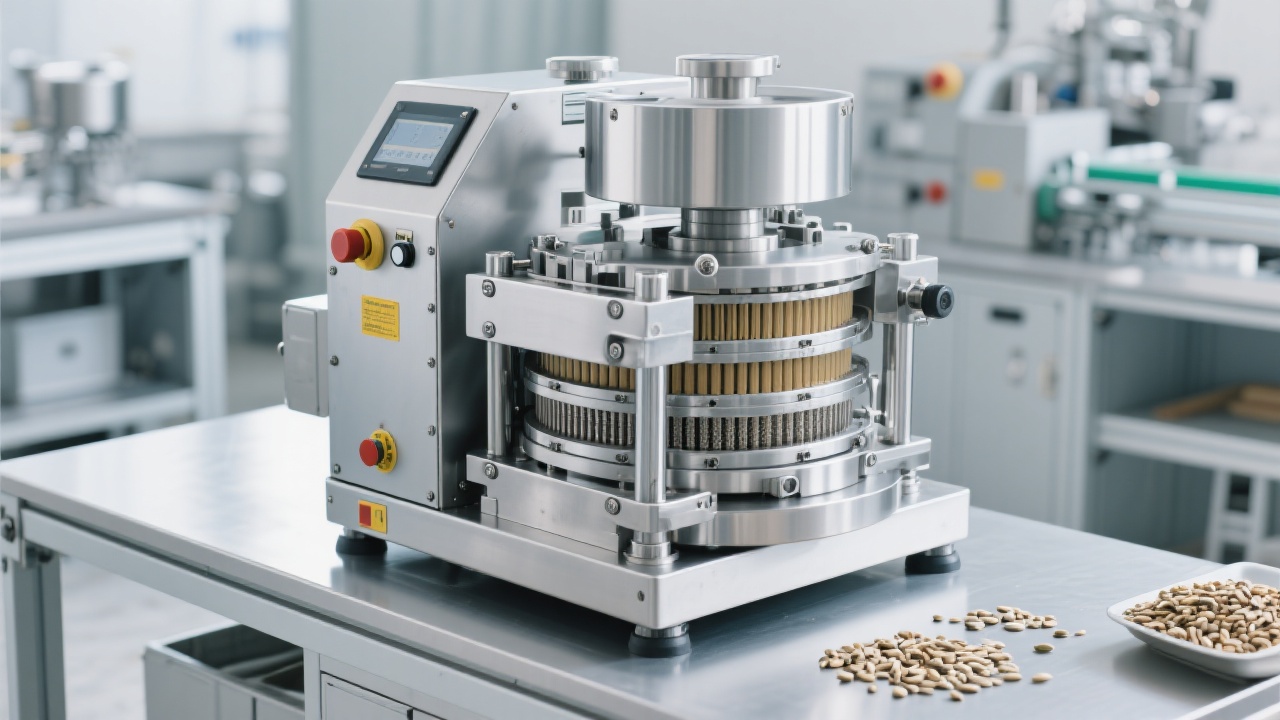
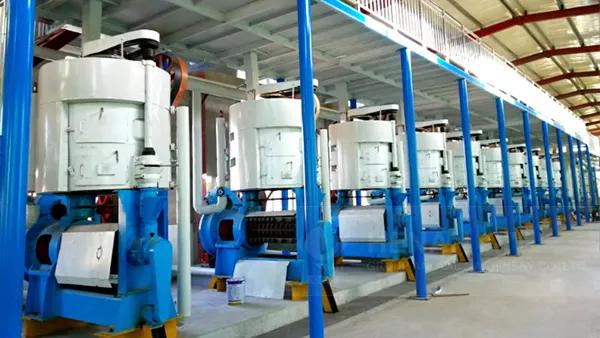
For daily processing capacities between 1 to 10 tons, selecting the appropriate dehulling equipment requires balancing throughput, automation, and footprint. Recommended configurations consist of:
Practical integration often involves modular designs allowing scalable upgrades aligned with evolving production demands. Real-world case studies from medium-scale producers demonstrate throughput enhancements exceeding 20% post-dehulling modernization.
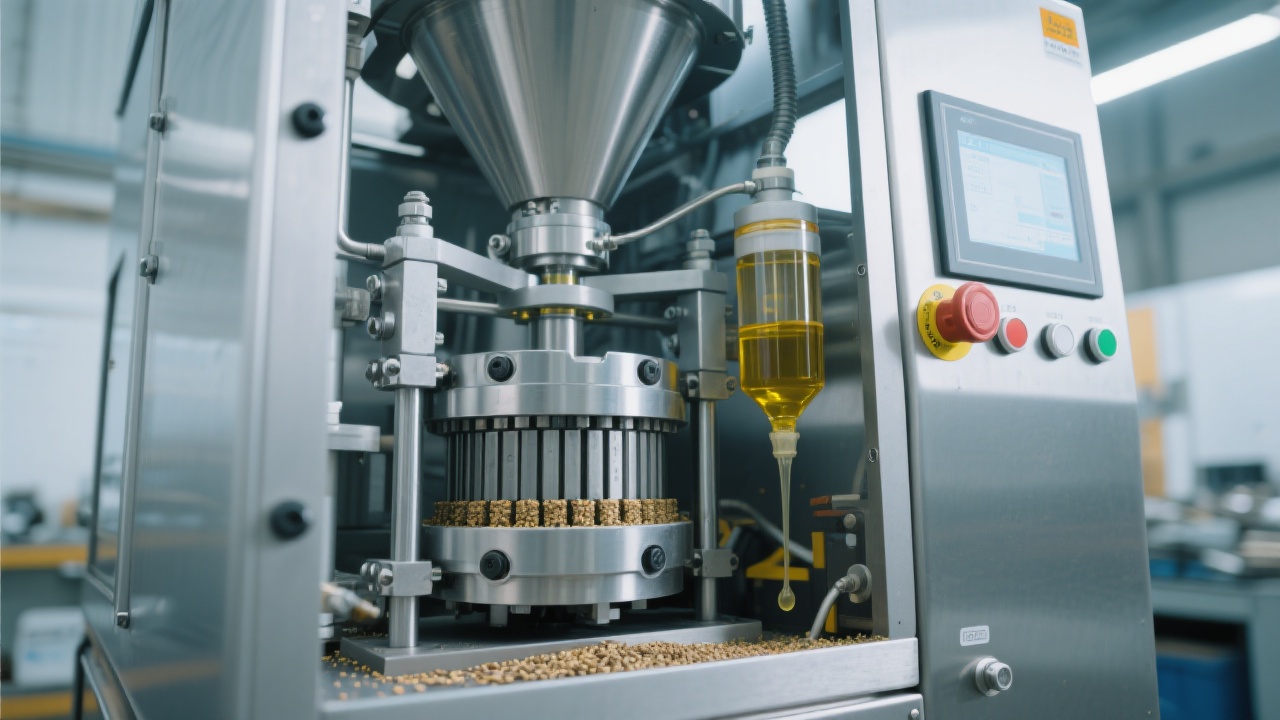
Effective dehulling substantially elevates the nutritional content of the remaining seed cake, increasing protein levels and reducing fibrous shell contaminants. Analysis reveals:
These benefits underscore the strategic value of dehulling not only as a process enhancement but as a revenue amplifier through diversified product streams.
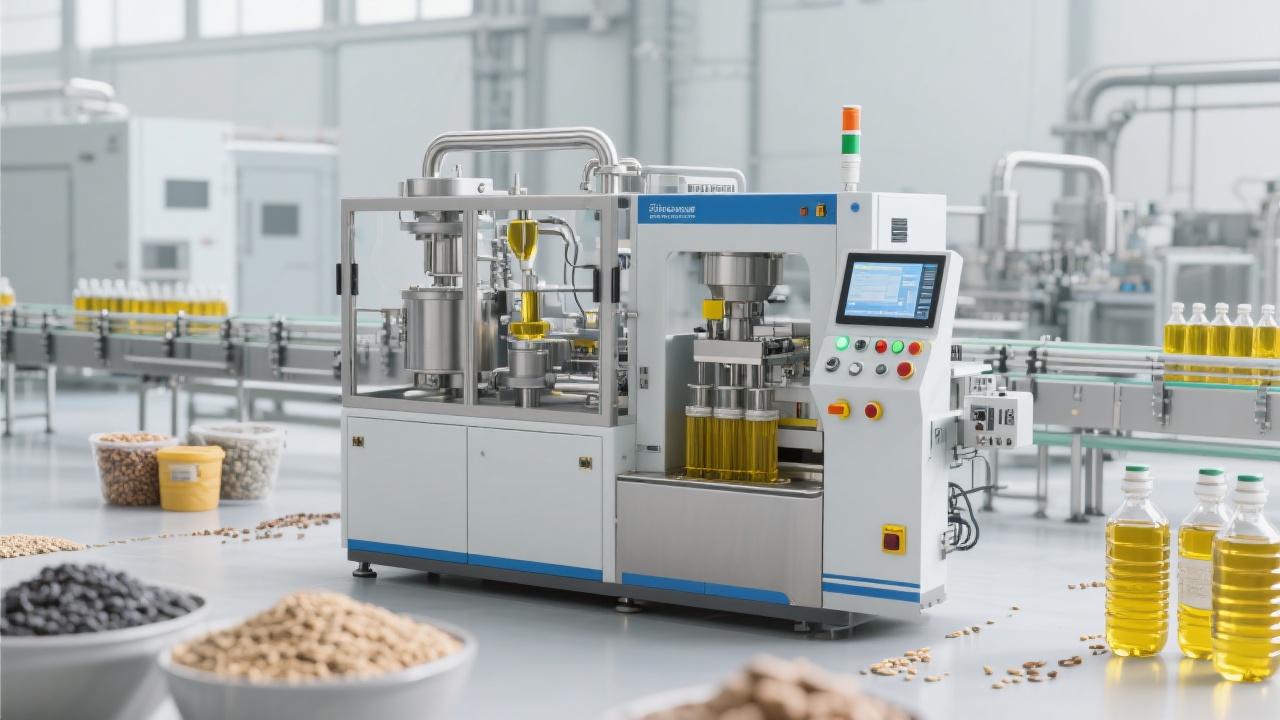
Anonymous medium-scale operators report remarkable improvements post adopting integrated dehulling solutions, highlighting:
“After installing dual-stage roller dehullers combined with pneumatic separators, our oil extraction rate increased by nearly 13%, and seed cake quality attracted more lucrative feed contracts.” – Industry Operator, Eastern Europe
Expert analysis further confirms that the mechanical robustness and precision adjustment features in modern dehulling machinery mitigate kernel damage, ensuring consistent performance and operational longevity.
 333
|
333
|
 cold-pressed sunflower oil
sunflower oil production equipment
cold pressing technology
antioxidant capacity in oils
premium edible oil certification
cold-pressed sunflower oil
sunflower oil production equipment
cold pressing technology
antioxidant capacity in oils
premium edible oil certification
 502
|
cold press sunflower seed oil expeller
hot press sunflower seed oil expeller
product comparison
health market
commercial production
502
|
cold press sunflower seed oil expeller
hot press sunflower seed oil expeller
product comparison
health market
commercial production
 235
|
sunflower seed oil machine
healthy oil production
diverse needs
235
|
sunflower seed oil machine
healthy oil production
diverse needs
 414
|
Sunflower oil pressing process
Sunflower oil grinder
Oil yield improvement methods
Oil processing technology optimization
Screw press application
414
|
Sunflower oil pressing process
Sunflower oil grinder
Oil yield improvement methods
Oil processing technology optimization
Screw press application
 460
|
sunflower seed oil extraction machine
high-quality oil extraction methods
industrial sunflower oil production
460
|
sunflower seed oil extraction machine
high-quality oil extraction methods
industrial sunflower oil production