.jpg?x-oss-process=image/resize,h_400,m_lfit/format,webp)
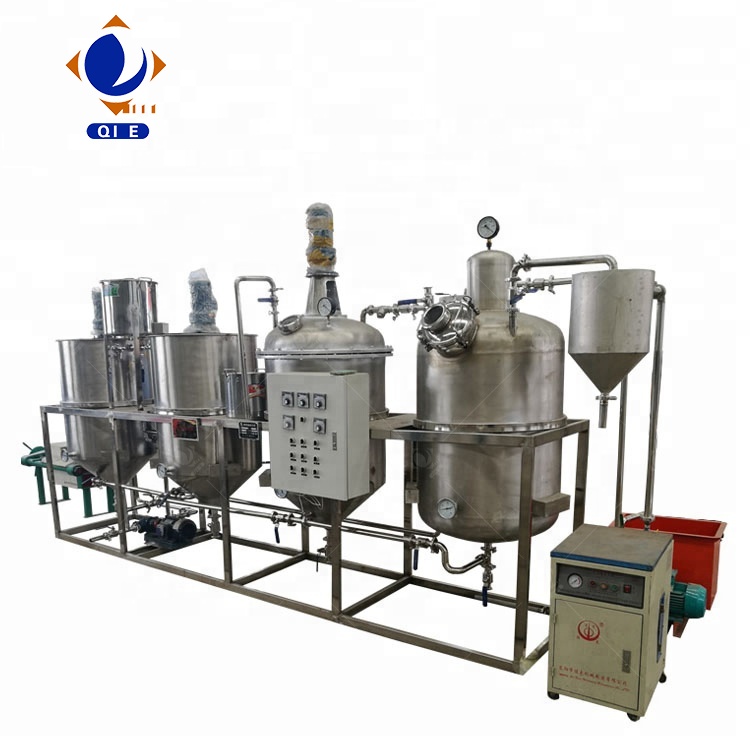
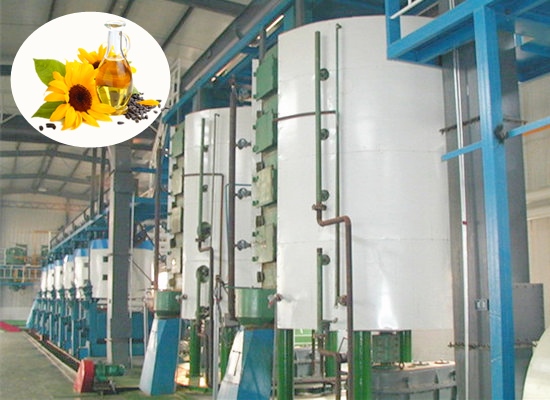
Establishing a high-efficiency, stable, and high-output medium-scale sunflower seed oil production line is vital for export-driven enterprises aiming to enhance their production capacity while ensuring compliance and quality. This guide unpacks the complete process flow, from seed cleaning and dehulling to pressing, refining, and automated packaging, providing clear insights and actionable strategies that help you lower initial design discrepancies and elevate return on investment.
For mid-scale operations, aligning your production line capacity with your target market demand is crucial. Typically, a medium-sized line processes between 2 to 5 tons of sunflower seeds per hour, balancing investment with scalability. This ensures efficient capital allocation without oversizing equipment, protecting cash flow and minimizing operational risks while meeting export volume requirements. Consider processing capacity, facility spatial constraints, and downstream logistics for optimized throughput.
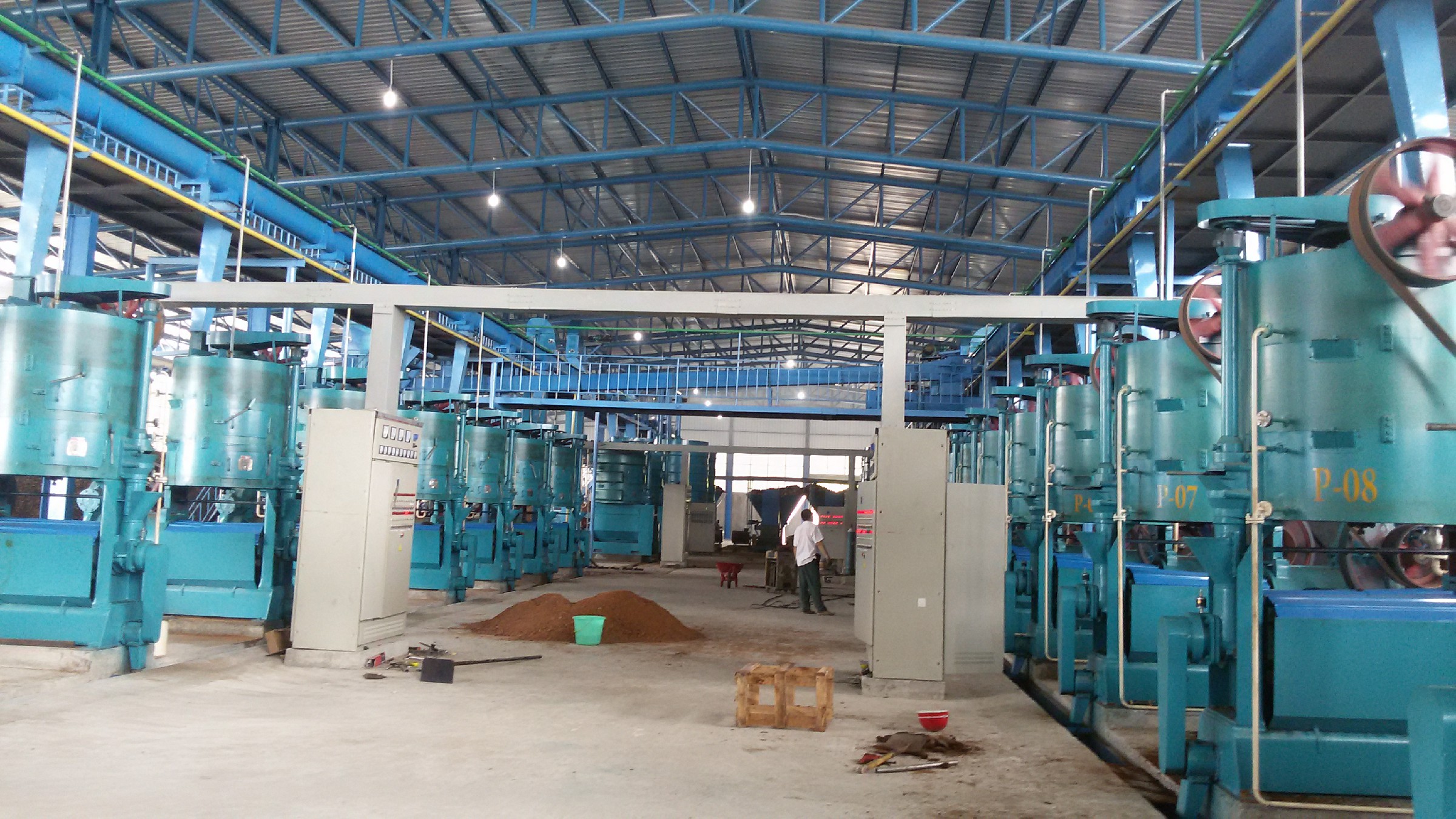
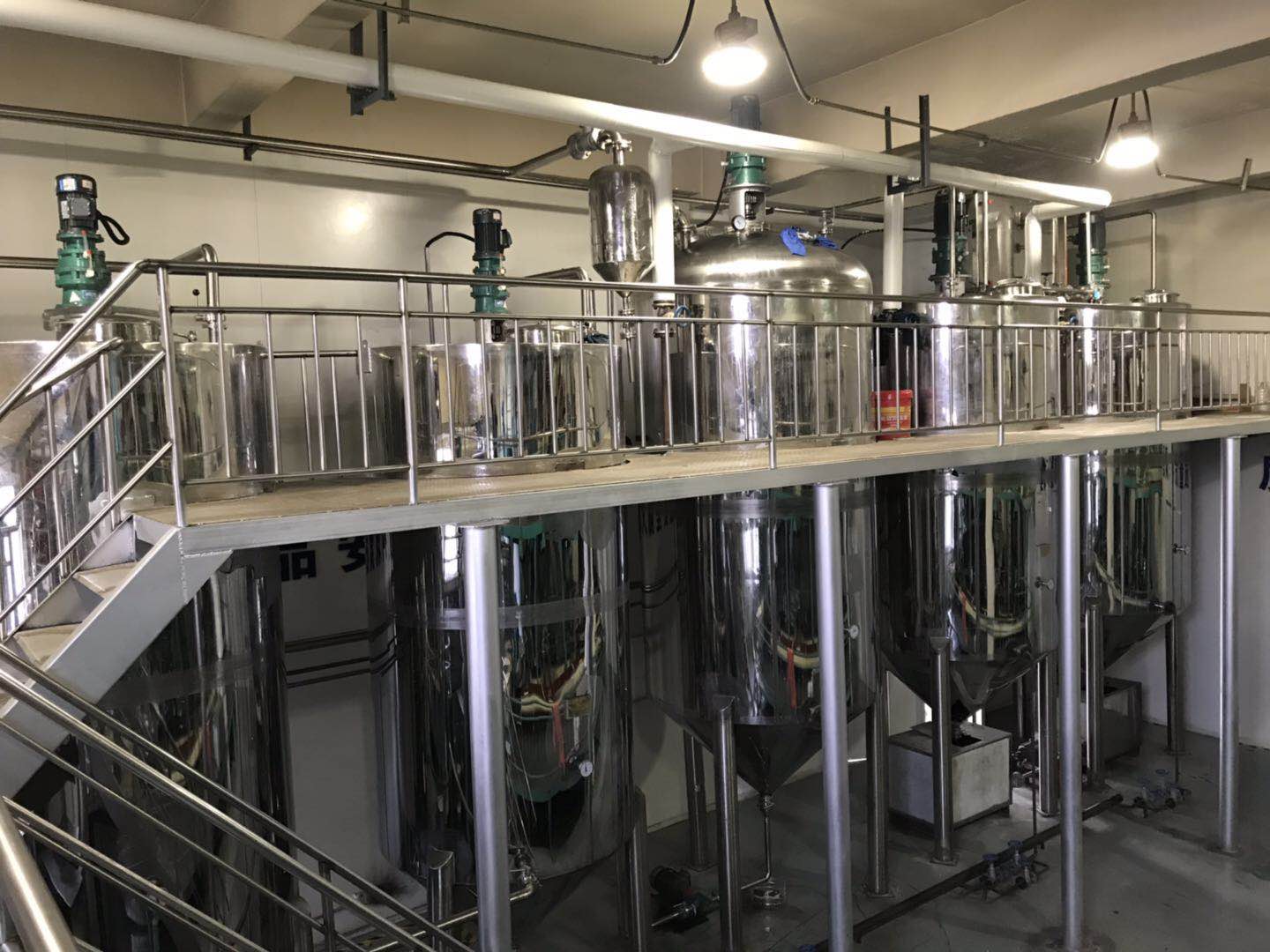
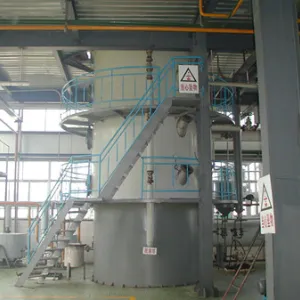
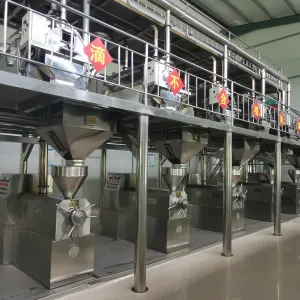
The equipment selection must follow a logical sequence matching process needs, ensuring minimal wastage and seamless transitions:
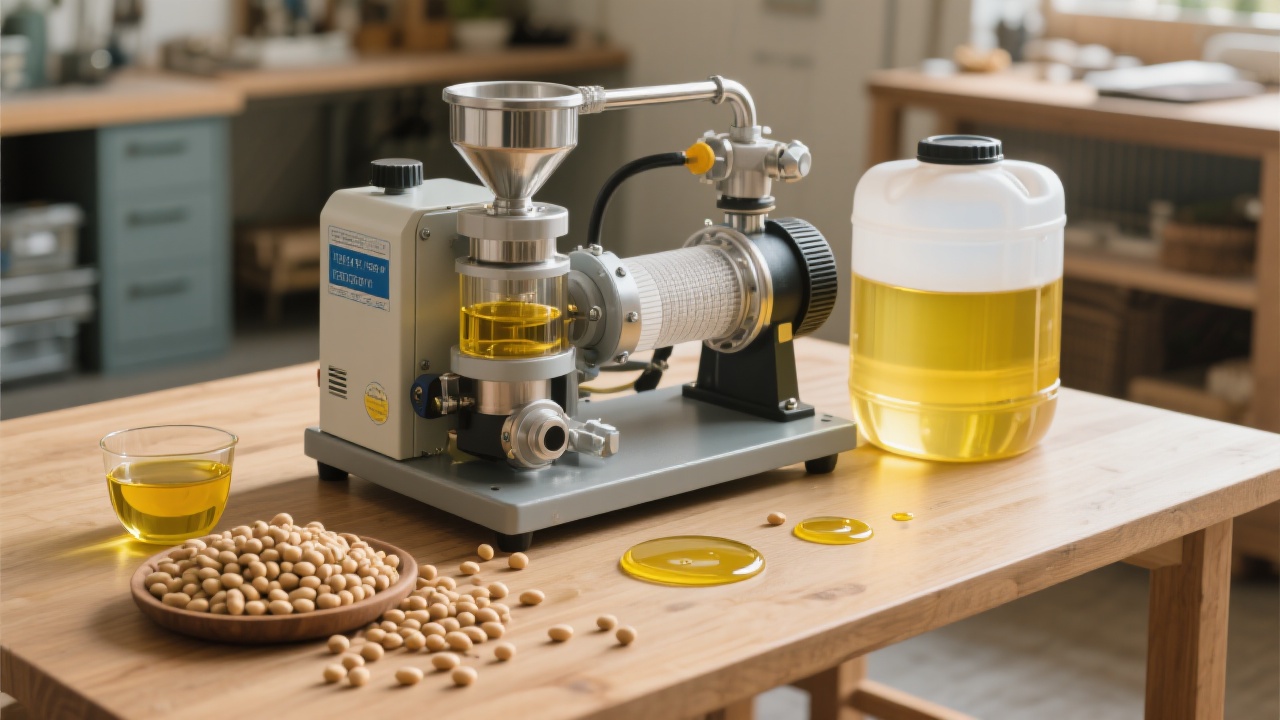
The choice between hot and cold pressing significantly influences both yield and oil quality:
| Criteria | Hot Pressing | Cold Pressing |
|---|---|---|
| Oil Yield | Higher (~38-42%) | Lower (~30-35%) |
| Nutrient Retention | Lower due to heat exposure | Higher; preserves natural flavors and antioxidants |
| Processing Time | Faster | Slower |
| Oil Quality | Requires extensive refining | Generally premium, often cold-pressed labeled |
Your choice should hinge on target market demands and price positioning. For export markets expecting high-quality, food-grade sunflower oil, cold pressing combined with advanced filtering offers a competitive edge. Hot pressing remains attractive for maximizing output and cost efficiency.
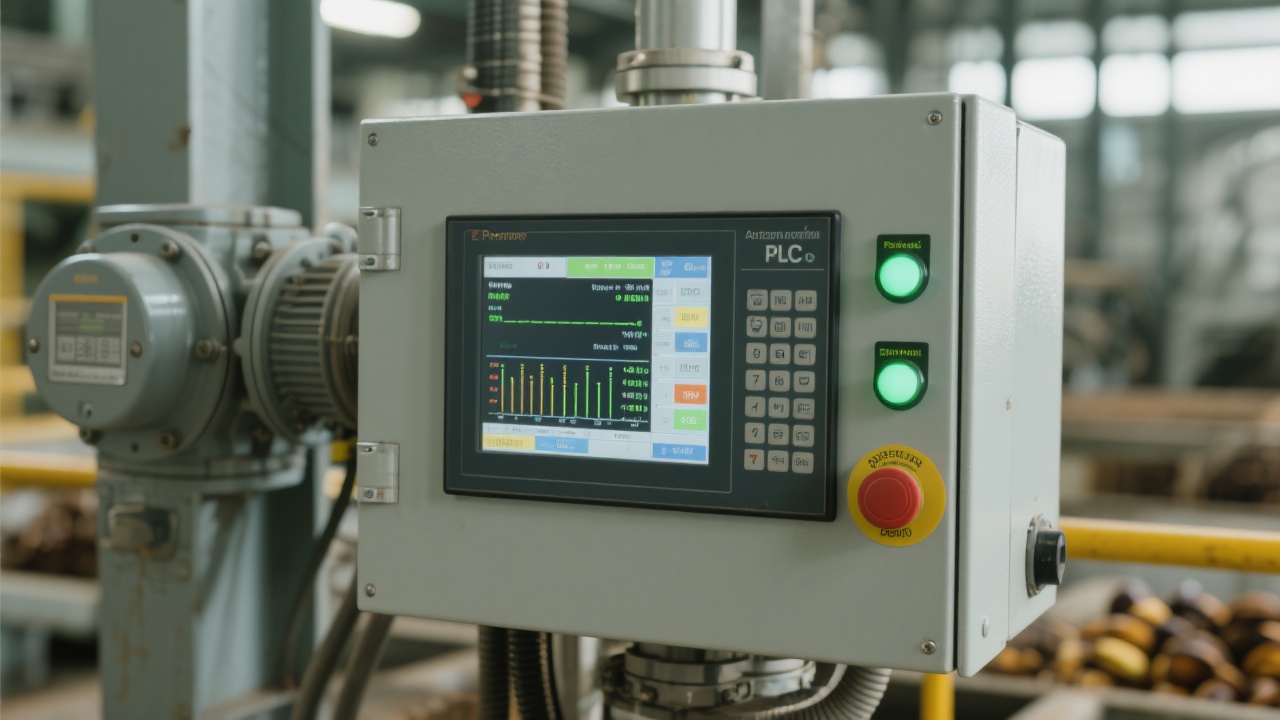
Incorporating automation at critical points — such as seed conveyors, oil filtration systems, and packaging lines — markedly improves line throughput and product consistency. Automated controls minimize human error, reduce contamination risks, and facilitate real-time monitoring of production parameters.
Practical Tip: A medium-scale line with 60–80% automation can see production efficiency increase by up to 35% and reject rate drop below 2%, significantly improving your investment payback period.
.jpg)
Avoiding initial design errors such as underestimating cleaning capacity or mismatching press specifications is imperative to ensure smooth operations. Neglecting daily maintenance of moving parts and filtration systems often leads to unexpected downtime and quality decline.
Leveraging practical case studies offers insight into how process optimization directly impacts profitability. One mid-sized sunflower oil producer enhanced their throughput by 25% and reduced oil losses by 12%, attributing gains to carefully matched equipment selection and integrating automation at key filter stages.

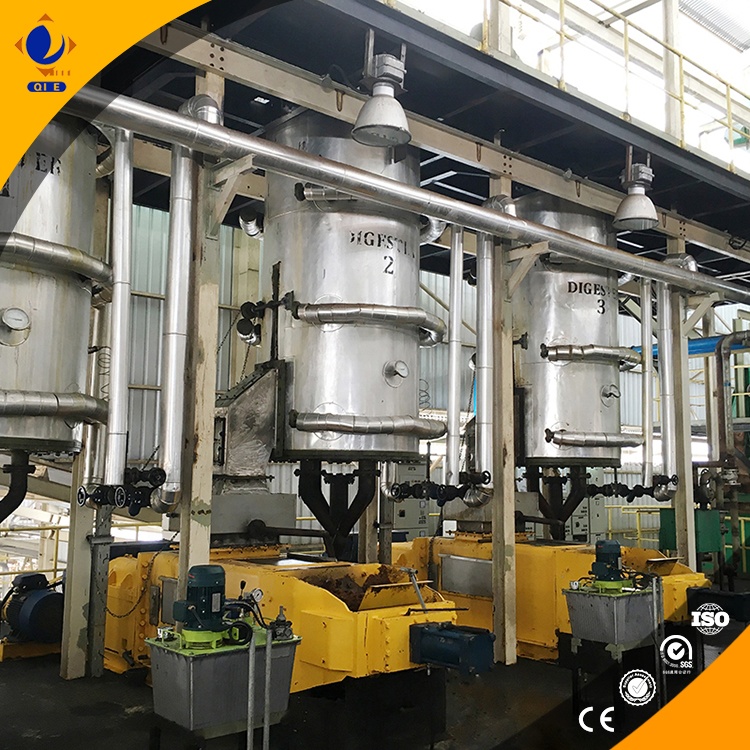
By implementing the QIE Group medium-scale sunflower seed oil production line configuration, you position your enterprise strategically to meet export compliance while boosting market competitiveness via standardized, high-quality output. This enables better investment returns and long-term growth opportunities.
 Discover Premium Sunflower Oil Production Equipment by QIE Group — Optimize Your Factory & Maximize ROI

 110
|
110
|
 Sunflower Oil Milling Machine
Sunflower Oil Press Machine
Sunflower Oil Extraction Equipment
Efficient Sunflower Seed Processing
Automatic Sunflower Oil Press
Durable Sunflower Oil Milling Machine
Energy-Efficient Oil Extraction
Sunflower Residue for Animal Feed
Small Scale Sunflower Oil Mill
Sunflower Oil Milling Machine
Sunflower Oil Press Machine
Sunflower Oil Extraction Equipment
Efficient Sunflower Seed Processing
Automatic Sunflower Oil Press
Durable Sunflower Oil Milling Machine
Energy-Efficient Oil Extraction
Sunflower Residue for Animal Feed
Small Scale Sunflower Oil Mill
 362
|
Sunflower Oil Pressing Machine for Sale
Small-Scale Sunflower Oil Press Machine
Medium-Scale Sunflower Oil Pressing Machines
362
|
Sunflower Oil Pressing Machine for Sale
Small-Scale Sunflower Oil Press Machine
Medium-Scale Sunflower Oil Pressing Machines
 277
|
sunflower seed oil extraction machine
pressing and solvent extraction methods
industrial oil production
277
|
sunflower seed oil extraction machine
pressing and solvent extraction methods
industrial oil production
 178
|
market trends
future planning
sustainable development
178
|
market trends
future planning
sustainable development
 269
|
All-in-one oil press
Sunflower seed oil press
Oil filtration system
Home oil press
High-quality sunflower seed oil
269
|
All-in-one oil press
Sunflower seed oil press
Oil filtration system
Home oil press
High-quality sunflower seed oil







.jpg)