You might think all sunflower oils are created equal — but if you're sourcing for B2B export markets, that assumption could cost you quality and trust. In fact, studies show that up to 40% of "cold-pressed" oils sold globally fail basic lab tests for oxidation stability and nutrient retention (Source: European Journal of Lipid Science, 2022).
True cold-pressed sunflower oil retains more vitamin E (often >15 mg/100g), polyphenols, and natural antioxidants — crucial for shelf life, health claims, and premium positioning. But how do you tell real from fake? Let’s break it down.
Real cold-pressed oil has a light golden hue — not yellowish-orange like refined versions. It smells nutty, not neutral or chemical-like. And when tasted, it should feel smooth, not greasy or bitter. These sensory clues matter because:
“The USDA and EFSA both require cold-pressed oils to be extracted below 40°C to preserve phytonutrients.” — Food Chemistry Review, 2021
Look for keywords like “expeller-pressed” or “refined” — these mean high heat was used. True cold-pressed must say so clearly on the label. Also check:
| Label Element | What to Look For |
|---|---|
| Pressing Method | Must read: “Cold Pressed” or “Unheated Extraction” |
| Nutrient Content | Vitamin E ≥ 15 mg/100g; Polyphenols > 50 mg/kg |
| Shelf Life | Should be 12–24 months unopened if properly stored |
Now here’s a quick tip: If the bottle doesn’t list third-party test results (like AOAC or SGS), ask for them — especially if you’re targeting EU or North American buyers who demand transparency.
A major distributor in Germany once switched from a “cheap cold-pressed” supplier to one with certified low-peroxide values (<2 meq/kg). Result? Their customers reported better taste consistency, fewer complaints, and higher repeat orders — even at a 12% price premium.
So next time you’re sourcing, don’t just trust the label — validate it. Because your clients will.
Take our 60-second quiz: Which oil smells nutty, tastes clean, and shows high vitamin E levels? The answer might surprise you.
Now is the time to learn this skill — because next time you buy oil, you won’t be guessing anymore.

 122
|
122
|
 Sunflower Oil Filter Machine
Sunflower Oil Press Machine
Vacuum Sunflower Oil Filter
Plate and Frame Sunflower Oil Filter
Centrifugal Sunflower Oil Filter
Pressure Leaf Sunflower Oil Filter
Industrial Sunflower Oil Filter Machine
Small Scale Sunflower Oil Filter
Medium Scale Sunflower Oil Filter
Oil Purification Sunflower Filter
Sunflower Oil Filter Machine
Sunflower Oil Press Machine
Vacuum Sunflower Oil Filter
Plate and Frame Sunflower Oil Filter
Centrifugal Sunflower Oil Filter
Pressure Leaf Sunflower Oil Filter
Industrial Sunflower Oil Filter Machine
Small Scale Sunflower Oil Filter
Medium Scale Sunflower Oil Filter
Oil Purification Sunflower Filter
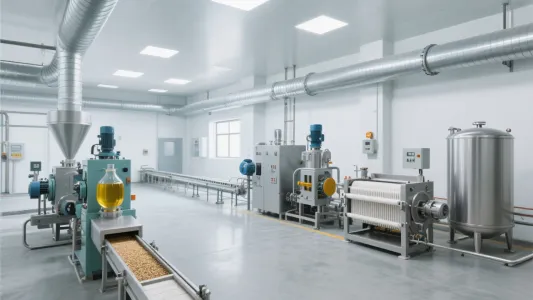 371
|
integrated oil press
sunflower oil filtration system
small-scale oil mill equipment
clean sunflower oil production
efficient oil pressing technology
371
|
integrated oil press
sunflower oil filtration system
small-scale oil mill equipment
clean sunflower oil production
efficient oil pressing technology
 265
|
sunflower seed oil extraction
oil extraction machine
how to choose extraction machine
265
|
sunflower seed oil extraction
oil extraction machine
how to choose extraction machine
 219
|
Sunflower oil pressing energy - saving technology
Sunflower oil press energy consumption optimization
Sunflower oil yield improvement
Oil processing technology optimization
Automated oil pressing equipment
219
|
Sunflower oil pressing energy - saving technology
Sunflower oil press energy consumption optimization
Sunflower oil yield improvement
Oil processing technology optimization
Automated oil pressing equipment
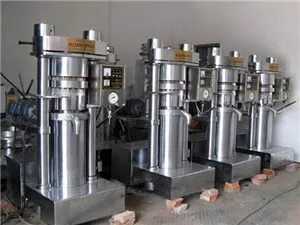 387
|
small sunflower oil press machine
oil press capacity selection
automated oil extraction equipment
sunflower seed oil processing efficiency
stainless steel vs carbon steel oil mill
387
|
small sunflower oil press machine
oil press capacity selection
automated oil extraction equipment
sunflower seed oil processing efficiency
stainless steel vs carbon steel oil mill