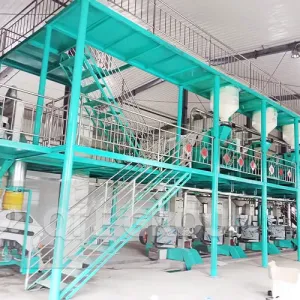
Sunflower seed pretreatment is a crucial step in the production of sunflower oil, which directly affects the oil yield and quality. Proper moisture adjustment and impurity removal are key factors. For example, the moisture content of sunflower seeds should be controlled between 8% - 12%. If the moisture is too high, it will increase the difficulty of pressing and reduce the oil yield; if it is too low, the seeds will be too brittle, also affecting the pressing effect. As shown in the following table:
| Moisture Content | Effect on Oil Yield |
|---|---|
| Below 8% | Reduce about 3% - 5% |
| 8% - 12% | Optimal range, stable oil yield |
| Above 12% | Reduce about 5% - 8% |
Removing impurities such as soil, stones, and broken seeds can also effectively improve the oil yield and quality. By using screening and air - separation equipment, the impurity content can be reduced to less than 1%.
The shell of sunflower seeds contains a large amount of non - oil substances. Removing the shell before pressing can significantly increase the oil yield. Different types of shelling equipment have different effects on the shelling rate and the integrity of the kernels. High - quality shelling equipment can achieve a shelling rate of over 95%, while ensuring that the kernel breakage rate is less than 5%. For example, in a medium - scale sunflower oil production enterprise, after using advanced shelling equipment, the oil yield increased by about 7% compared with the previous method without shelling.
In the pressing process, temperature and mechanical parameters are two important factors. In cold - pressing, the temperature is generally controlled at 40 - 60°C, which can retain more nutrients in the oil, but the oil yield is relatively low, usually around 28% - 32%. In hot - pressing, the temperature is raised to 100 - 120°C, which can increase the oil yield to 35% - 40%, but may also cause some nutrient loss. The following is a comparison of the two processes:
| Pressing Process | Temperature | Oil Yield | Nutrient Retention |
|---|---|---|---|
| Cold - pressing | 40 - 60°C | 28% - 32% | High |
| Hot - pressing | 100 - 120°C | 35% - 40% | Low |

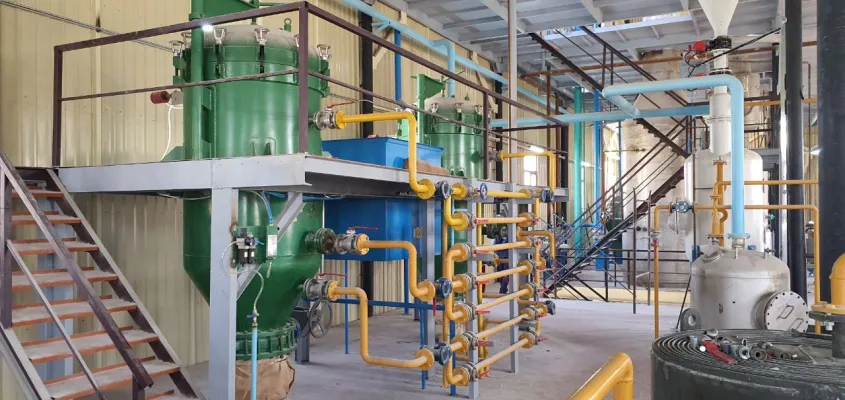
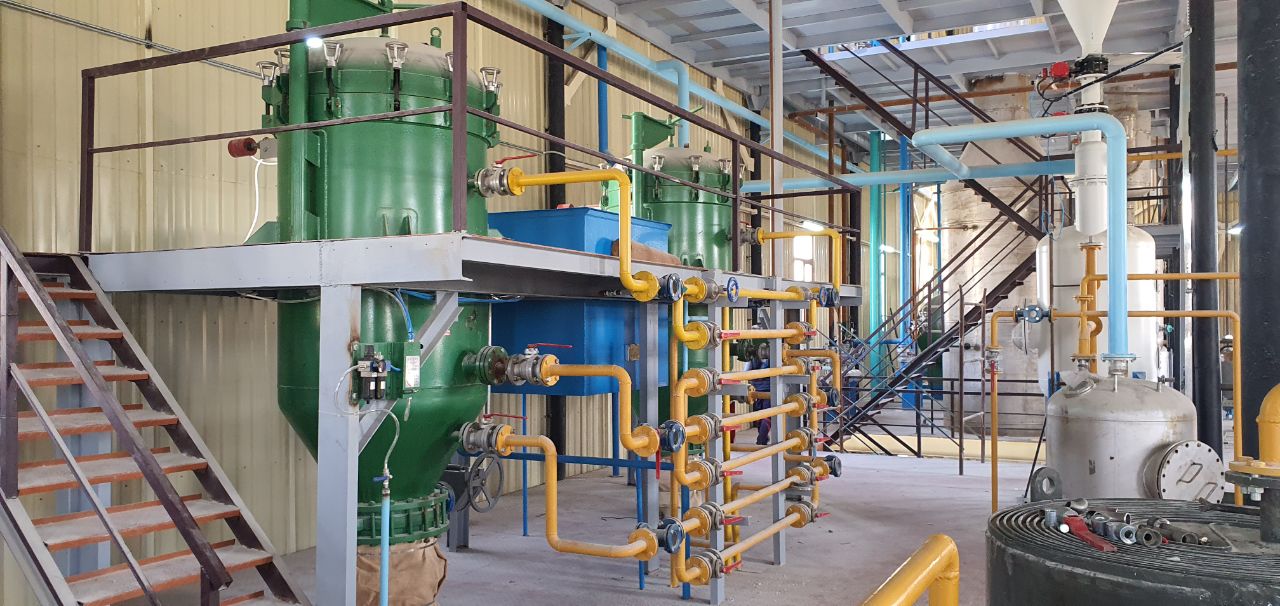
The structure and performance of oil filtering equipment have a significant impact on the final oil quality and output. Advanced filter equipment can effectively remove impurities, gums, and pigments in the oil, improving the clarity and stability of the oil. For example, a high - efficiency filter can reduce the impurity content in the oil to less than 0.1%. Different production scales require different types of filter equipment. Small - scale enterprises can choose simple plate - and - frame filters, while large - scale enterprises need more advanced vacuum filters.
For small - scale sunflower oil production enterprises with an annual output of less than 500 tons, a combination of simple seed pretreatment equipment, medium - efficiency shelling equipment, and cold - pressing machines can be selected. This combination can meet the production needs with relatively low investment. For medium - scale enterprises with an annual output of 500 - 2000 tons, more advanced equipment should be used, such as high - precision seed moisture adjusters, high - shelling - rate shelling machines, and hot - pressing machines with adjustable temperature. Large - scale enterprises with an annual output of over 2000 tons need to build a complete production line, including automated seed pretreatment systems, large - capacity shelling and pressing equipment, and high - efficiency filter systems.

As you can see, optimizing the entire process from seed pretreatment to final oil filtration is crucial for sunflower oil production enterprises to reduce costs and increase efficiency. Our high - efficiency oil filtering equipment, with its excellent performance and reliable quality, can be an important part of your production line, helping you achieve better results. If you want to learn more about how our equipment can improve your sunflower oil production, click here to explore more!





.jpg?x-oss-process=image/resize,m_fill,h_300,w_300/format,webp)