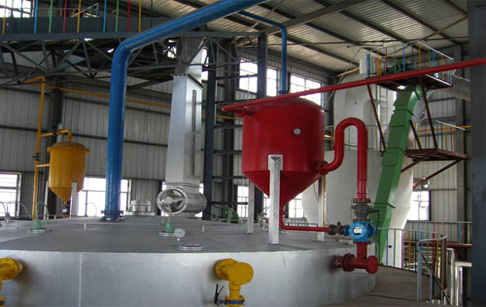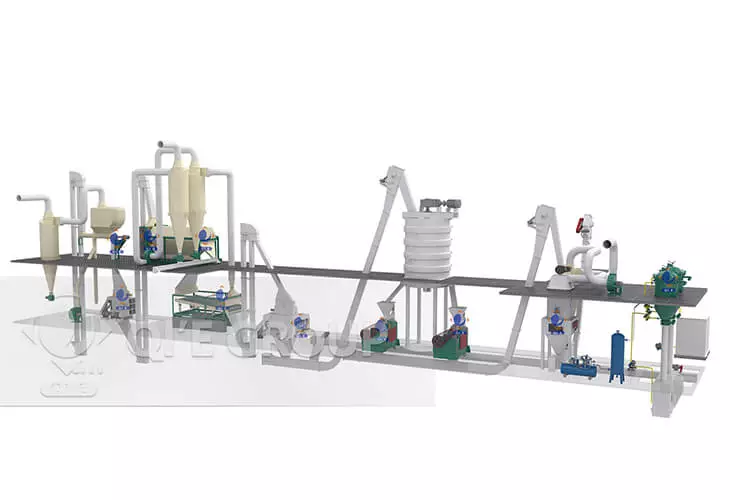
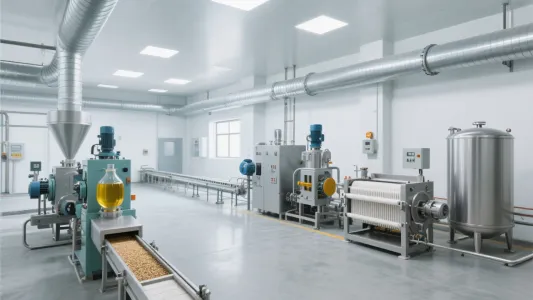
When it comes to sunflower oil production, every step in the process matters. One crucial yet often overlooked aspect is the filtration stage, where a high - efficiency oil filter plays a pivotal role. In this article, we'll explore how these filters can enhance the quality and yield of sunflower oil, and why they are a game - changer for oil producers.
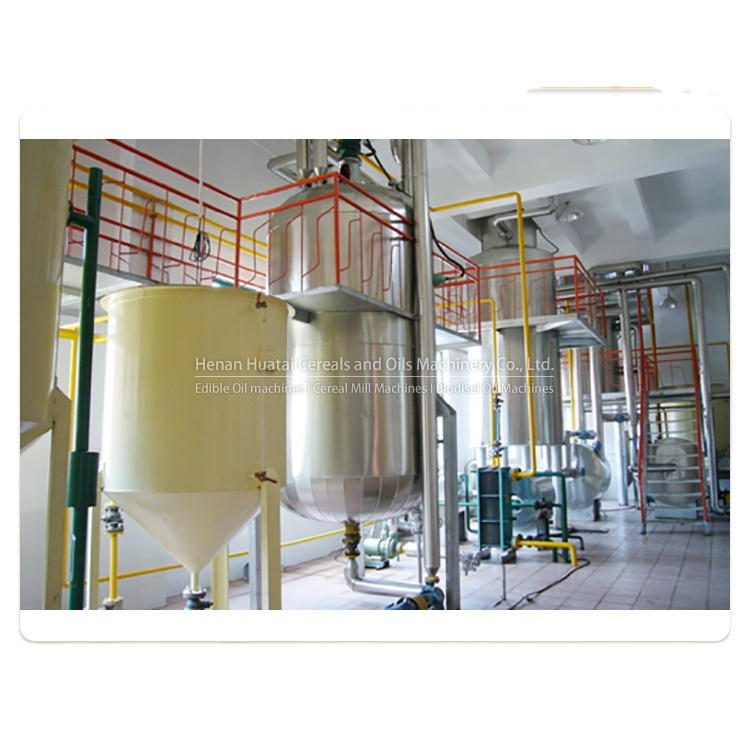
High - efficiency oil filters are designed to remove impurities from sunflower oil, such as solid particles, gums, and free fatty acids. By doing so, they significantly improve the purity and stability of the oil. A purer oil not only has a better taste and longer shelf - life but also meets higher quality standards in the market.
Let's take a look at some data. In a real - world scenario, an oil mill with a traditional filtration system had an oil yield of around 60%. After switching to a high - efficiency oil filter, the oil yield increased to 68%. This 8% increase in yield can have a substantial impact on the mill's bottom line, especially for small and medium - sized enterprises.

The filtration stage is not an isolated step; it has a domino effect on the entire production process. The precision of filtration directly affects the subsequent refining process. If the oil is not filtered properly, it will require more intensive refining, which can lead to higher costs and more waste.
For different - sized enterprises, choosing the right oil filter is crucial. Small - scale oil mills may opt for compact and cost - effective filters, while large - scale producers might need high - capacity, automated filtration systems. Here is a simple table to illustrate the general match between enterprise scale and filter type:
| Enterprise Scale | Recommended Filter Type |
|---|---|
| Small - scale | Compact and Manual Filters |
| Medium - scale | Semi - automated Filters |
| Large - scale | High - capacity Automated Filters |
To make the most of your high - efficiency oil filter, here are some practical tips. First, the choice of filter screen aperture is crucial. A smaller aperture can filter out finer particles, but it may also slow down the filtration speed. You need to find a balance based on your production requirements.
Temperature control is another important factor. Generally, a slightly elevated temperature can reduce the viscosity of the oil, making it easier to filter. However, if the temperature is too high, it may cause the oil to oxidize or damage the filter material. A recommended temperature range for sunflower oil filtration is between 40 - 50°C.
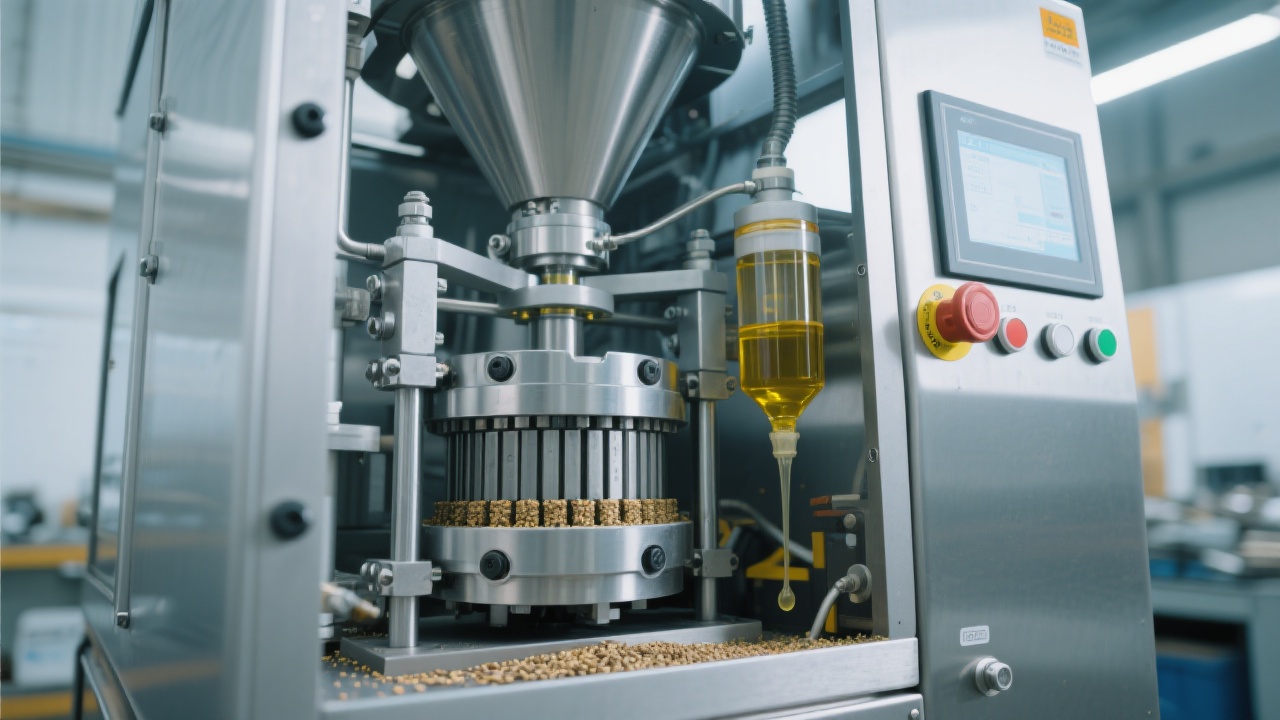
Regular maintenance is essential to ensure the long - term performance of your oil filter. This includes cleaning or replacing the filter screen, checking the seals, and lubricating moving parts. A well - maintained filter can not only extend its service life but also maintain consistent filtration efficiency.
For example, if you clean the filter screen every 10 production cycles and replace it every 50 cycles, you can avoid clogging and ensure a stable oil flow rate.
Many producers view filtration as just a necessary step to remove impurities. However, it's much more than that. Filtration is a value - adding step that can enhance the overall quality of the oil, increase the yield, and reduce production costs. By investing in a high - efficiency oil filter, you're not just filtering the oil; you're investing in the future of your business.

Are you ready to take your sunflower oil production to the next level? Discover the power of high - efficiency oil filters and transform your production process. Click here to learn more about our high - efficiency oil filters

 70
|
70
|
 sunflower oil extraction
extraction rates
oil production efficiency
sunflower oil extraction
extraction rates
oil production efficiency
 439
|
hot press sunflower oil expeller
cold press vs hot press oil extraction
commercial sunflower oil production
export grade oil press machine
efficient oil pressing technology
439
|
hot press sunflower oil expeller
cold press vs hot press oil extraction
commercial sunflower oil production
export grade oil press machine
efficient oil pressing technology
 376
|
mechanical sunflower seed oil extraction machine
solvent-based sunflower seed oil extraction machine
comparative analysis of sunflower seed oil extraction machines
working principle of sunflower seed oil extraction machines
suitable scenarios for sunflower seed oil extraction machines
376
|
mechanical sunflower seed oil extraction machine
solvent-based sunflower seed oil extraction machine
comparative analysis of sunflower seed oil extraction machines
working principle of sunflower seed oil extraction machines
suitable scenarios for sunflower seed oil extraction machines
 371
|
integrated oil press
sunflower oil filtration system
small-scale oil mill equipment
clean sunflower oil production
efficient oil pressing technology
371
|
integrated oil press
sunflower oil filtration system
small-scale oil mill equipment
clean sunflower oil production
efficient oil pressing technology
 56
|
Cold Press Sunflower Oil Machine
Sunflower Oil Press Machine
Healthy Cold Press Oil Extraction
Nutrient-Retaining Sunflower Oil Machine
Eco-Friendly Sunflower Oil Production
High-Quality Sunflower Oil Extraction
Commercial Cold Press Sunflower Oil Machines
Small Scale Sunflower Oil Production
Automated Sunflower Oil Press Machine
Cold Press Sunflower Oil Benefits
56
|
Cold Press Sunflower Oil Machine
Sunflower Oil Press Machine
Healthy Cold Press Oil Extraction
Nutrient-Retaining Sunflower Oil Machine
Eco-Friendly Sunflower Oil Production
High-Quality Sunflower Oil Extraction
Commercial Cold Press Sunflower Oil Machines
Small Scale Sunflower Oil Production
Automated Sunflower Oil Press Machine
Cold Press Sunflower Oil Benefits