As the global trend toward healthy eating continues to gain momentum, the demand for high-quality cold-pressed sunflower oil is on the rise. In this article, we'll delve into how you can scientifically identify truly premium cold-pressed sunflower oil from the multitude of products on the market.
You may have wondered, "Why isn't the sunflower oil I bought fragrant?" or "Does 'physical pressing' on the label mean it's cold-pressed?" These are common concerns when you're trying to pick the right sunflower oil. Understanding these pain points is crucial for making an informed choice.
Cold-pressing is a unique process that sets it apart from high-temperature pressing. Cold-pressing is typically carried out at temperatures below 60°C. This low-temperature environment helps to retain the natural nutrients and flavors of sunflower seeds. In contrast, high-temperature pressing, which often occurs at temperatures above 120°C, can lead to the loss of some nutrients and the alteration of the oil's flavor. For example, cold-pressed sunflower oil can retain up to 90% of its natural vitamin E content, while high-temperature pressed oil may only retain about 60%.
The color, smell, and taste of sunflower oil are closely related to its quality. High-quality cold-pressed sunflower oil usually has a light golden color, a fresh and nutty aroma, and a mild and pleasant taste. On the other hand, low-quality or improperly processed oil may have a darker color, a rancid smell, or a bitter taste. Let's take a look at the following comparison table:
| Sensory Characteristic | High-Quality Cold-Pressed Oil | Low-Quality Oil |
|---|---|---|
| Color | Light golden | Dark yellow or brown |
| Smell | Fresh and nutty | Rancid |
| Taste | Mild and pleasant | Bitter |
To further ensure the quality of the oil, you can refer to the standards set by third-party testing institutions. For example, the peroxide value (POV) is an important indicator of the oxidation stability of oil. According to the standards of the International Olive Council, the POV of high-quality cold-pressed sunflower oil should be less than 10 meq/kg. Additionally, the vitamin E content is also a key factor. A high vitamin E content indicates better antioxidant capacity. The recommended vitamin E content in cold-pressed sunflower oil is at least 600 mg/kg.
The packaging label contains a wealth of information. You should pay attention to details such as the production date, shelf life, and pressing method. Some labels may use ambiguous marketing terms, so it's important to be able to read between the lines. For example, if the label only says 'physical pressing' without specifying 'cold-pressed', it may not necessarily be cold-pressed oil.
When buying sunflower oil, choose products from well-known brands and reliable suppliers. You can also try some simple home identification methods. For example, you can put a small amount of oil in the refrigerator. If it solidifies evenly and quickly, it may be of lower quality. Cold-pressed oil usually solidifies more slowly and unevenly.
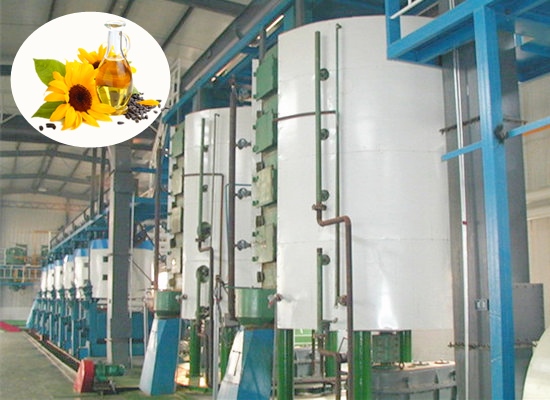
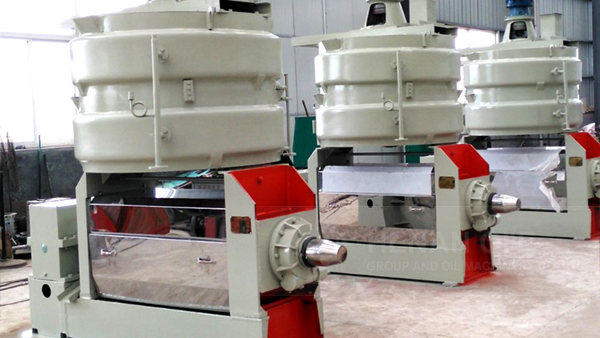
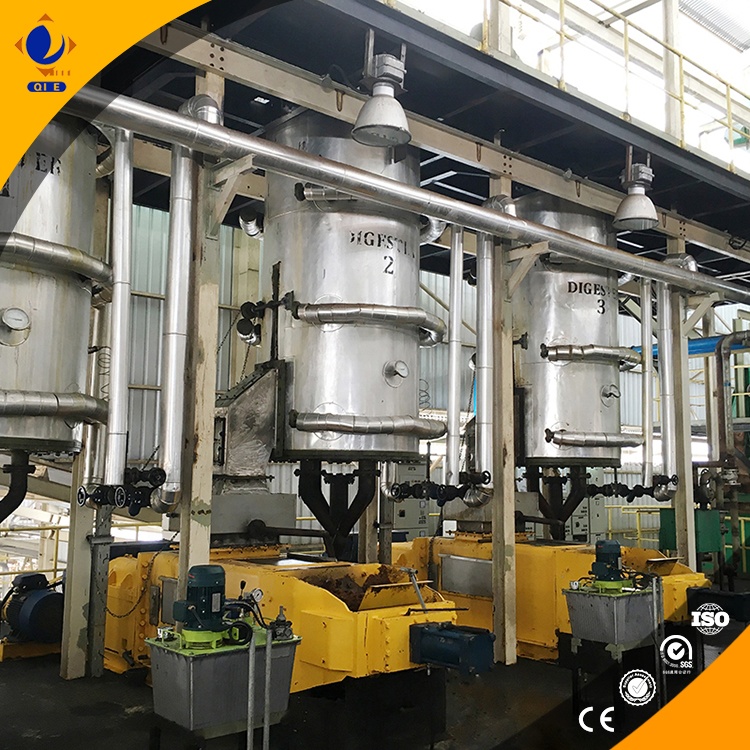
Remember, only equipment that uses cold-pressing technology can truly preserve the nutrients in sunflower oil. If you're interested in producing high-quality cold-pressed sunflower oil, check out our cold-pressed sunflower oil machines to take your oil production to the next level.

 295
|
295
|
 sunflower oil extraction methods
mechanical vs solvent extraction
sunflower oil production technology
sunflower oil extraction methods
mechanical vs solvent extraction
sunflower oil production technology
 294
|
Cold-pressed sunflower oil
Antioxidant properties
Low-temperature pressing
Healthy diet oil
Nutrient retention technology
294
|
Cold-pressed sunflower oil
Antioxidant properties
Low-temperature pressing
Healthy diet oil
Nutrient retention technology
 408
|
sunflower seed oil extraction equipment
cold pressing machine
industrial oil extraction technology
45
|
palm oil refining
environmentally friendly
green technology
innovative processing equipment
QI'E Group
408
|
sunflower seed oil extraction equipment
cold pressing machine
industrial oil extraction technology
45
|
palm oil refining
environmentally friendly
green technology
innovative processing equipment
QI'E Group
.jpg?x-oss-process=image/resize,h_300,m_lfit/format,webp) 415
|
Oil Production
Hygiene Standards
Consumer Trust
415
|
Oil Production
Hygiene Standards
Consumer Trust