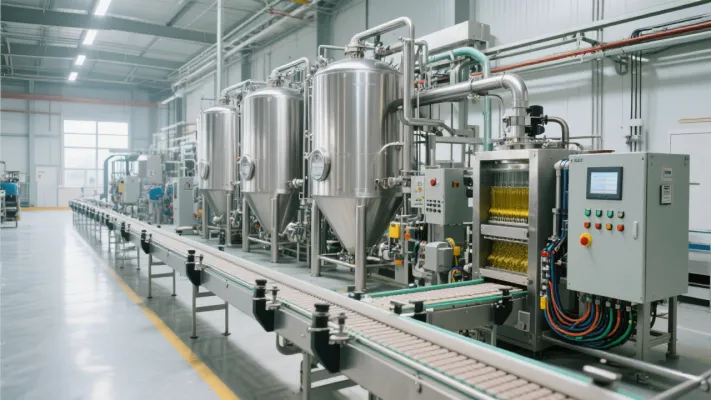
Are you struggling to increase the yield of your small oil pressing equipment without escalating energy consumption? Optimizing your sunflower oil grinding machine is essential for ensuring sustainable profits in your production line. In this guide, you will explore practical strategies and industry insights that help you make informed decisions on capacity selection, automation level, and material choice — all backed by data-driven analysis to maximize your investment ROI.
The efficiency of your oil milling process depends heavily on each step: cleaning, shelling, pressing, and filtering. Each stage influences the overall oil extraction rate, typically ranging from 35% to 50%, and affects energy consumption directly.
For example, inadequate cleaning can introduce impurities that clog filters faster, increasing downtime and power use. Meanwhile, optimizing filtration reduces loss of oil during processing, improving output volume without extra energy cost.

Your equipment must match your business scale for optimal profitability. Consider these categories:
| User Type | Typical Daily Output | Recommended Press Type | Automation Level |
|---|---|---|---|
| Newcomers & Small-Scale Farmers | up to 20 kg | Semi-automatic press | Manual-assisted |
| Small to Medium Enterprises | 20-80 kg | Semi-automatic or Automatic | Partial to Full automation |
| Large-Scale Production | 80+ kg | Fully automatic large capacity presses | High automation with minimal human input |
Industry data illustrates your potential gain: a farm using a semi-automatic sunflower oil press records roughly 20 kg/day output, whereas replacing it with a fully automatic model can quadruple capacity to 80 kg/day. Imagine how much faster you’ll recoup the investment with this upgrade!
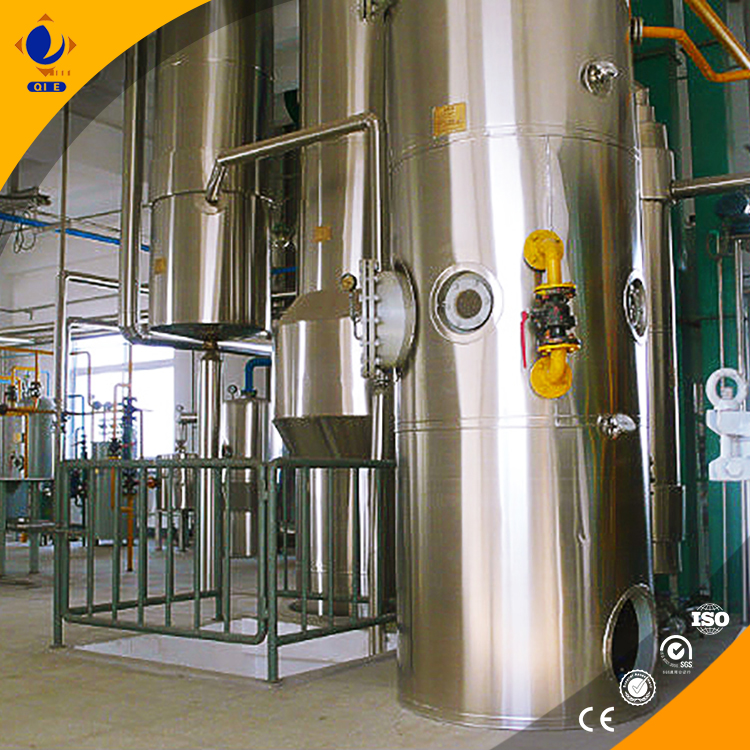
Selection of materials affects durability, sanitation, and maintenance costs:
Choosing stainless steel might increase initial investment by 15-25%, but it ensures credibility with your buyers and reduces downtime caused by corrosion-related repairs.
Achieving consistent 35%-50% oil extraction depends on several factors beyond equipment:
For instance, adjusting your feed rhythm can raise output by up to 10% while reducing power spikes during operation.
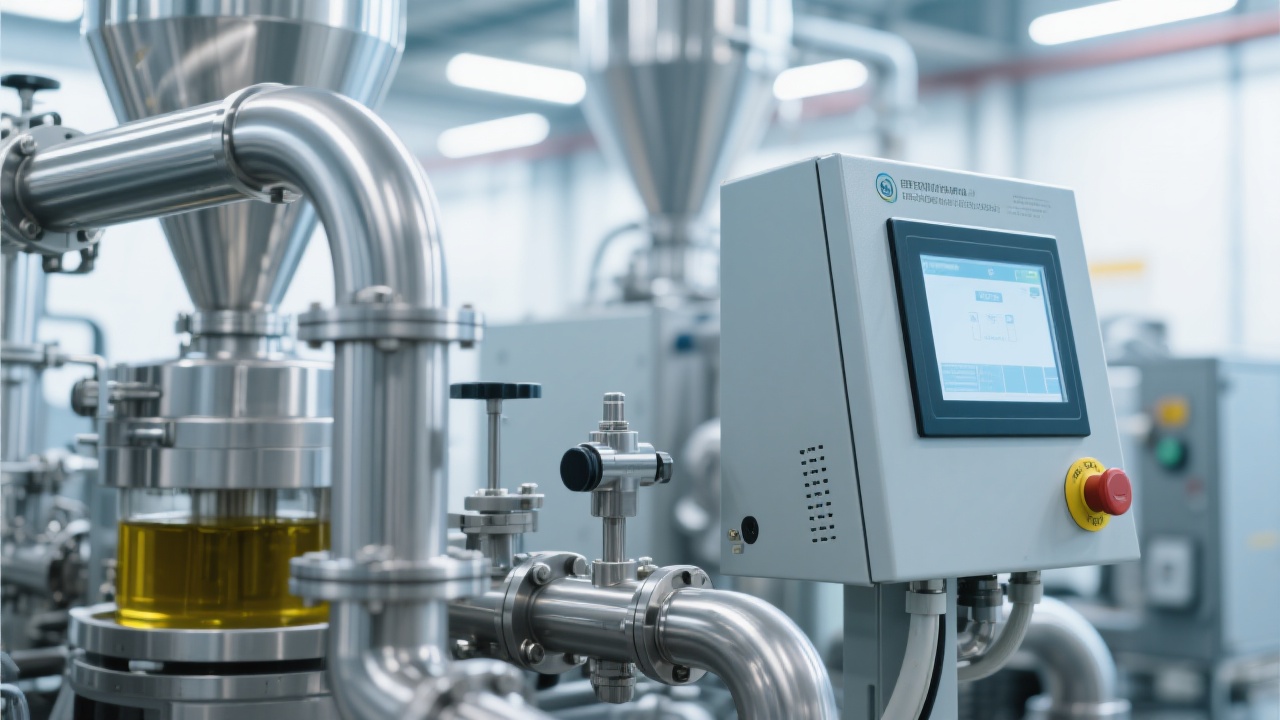
Don’t let inefficient machinery drag down your profit margins! Precision in matching press capacity, automation, and material quality is the key to a sustainable, profitable sunflower oil processing line.
Ready to choose high-efficiency oil pressing equipment tailored to your needs? Discover our expert-curated selections built to scale your yield and optimize energy use. Explore Now and Transform Your Production!
What is your biggest bottleneck in increasing sunflower oil output? Drop your thoughts below and let’s discuss practical solutions.







.jpg?x-oss-process=image/resize,m_fill,h_300,w_300/format,webp)

