In the sunflower oil production industry, improving the oil yield is a crucial pain point for enterprises at all scales. This article focuses on the core issue of oil yield improvement and presents a comprehensive set of optimization strategies covering the entire process from raw material cleaning to final filling.
Before the actual production process, the removal of impurities and control of moisture in sunflower seeds are of great significance. Impurities can affect the efficiency of subsequent processes, such as blocking equipment and reducing the quality of the final product. Moisture control is also vital; the ideal moisture range for sunflower seeds is between 8% - 10%. If the moisture content is too high, it can lead to mold during storage and affect the efficiency of the pressing process. Conversely, if it is too low, the seeds may become brittle and difficult to process. A proper cleaning process can significantly improve the overall efficiency of the production line.
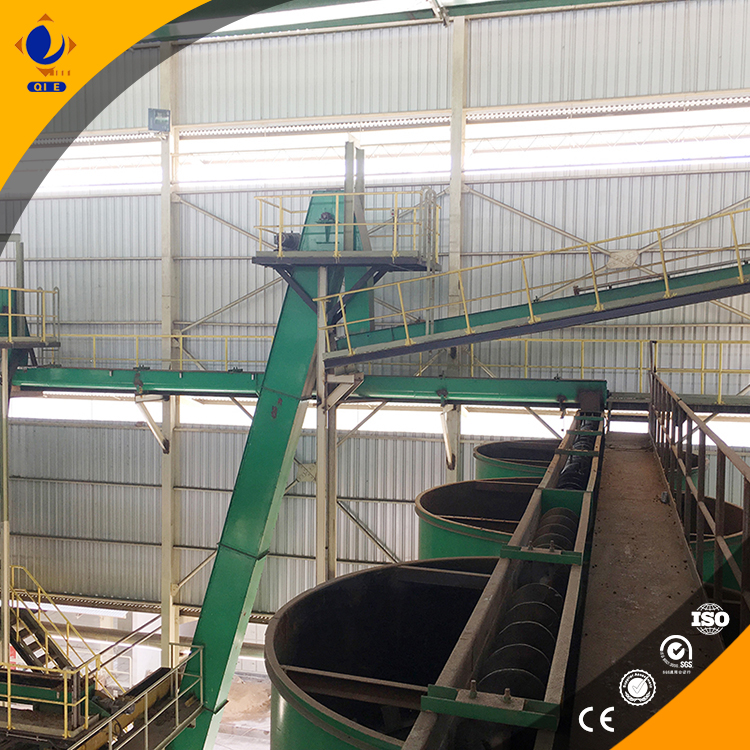
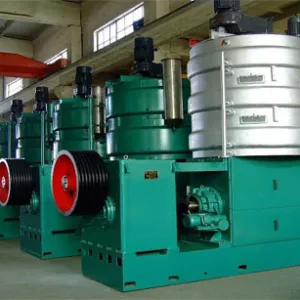
There is a synergistic relationship between the shelling rate and the pressing temperature. Higher shelling rates can expose more of the oil - rich kernel, which, combined with the right pressing temperature, can greatly increase the oil yield. Environment - friendly hot - pressing technology has obvious energy - saving advantages. By controlling the pressing temperature, the viscosity of the oil in the sunflower seeds can be reduced, making it easier to separate from the solid components. For example, when the shelling rate reaches 90% and the pressing temperature is controlled at around 120 - 130°C, the oil yield can be significantly improved.
Cold - pressing and hot - pressing are two common processes in sunflower oil production. Cold - pressing is known for better nutrient retention, as it does not involve high - temperature processing, which can preserve some of the heat - sensitive nutrients in the oil. However, in terms of oil yield, cold - pressing is generally lower than hot - pressing. A small - scale cold - pressing factory may have an oil yield of around 50% - 55%, while a well - optimized hot - pressing factory can achieve an oil yield of 65% - 70% or even higher. It is a trade - off between nutrient retention and production volume that enterprises need to make according to their market positioning.
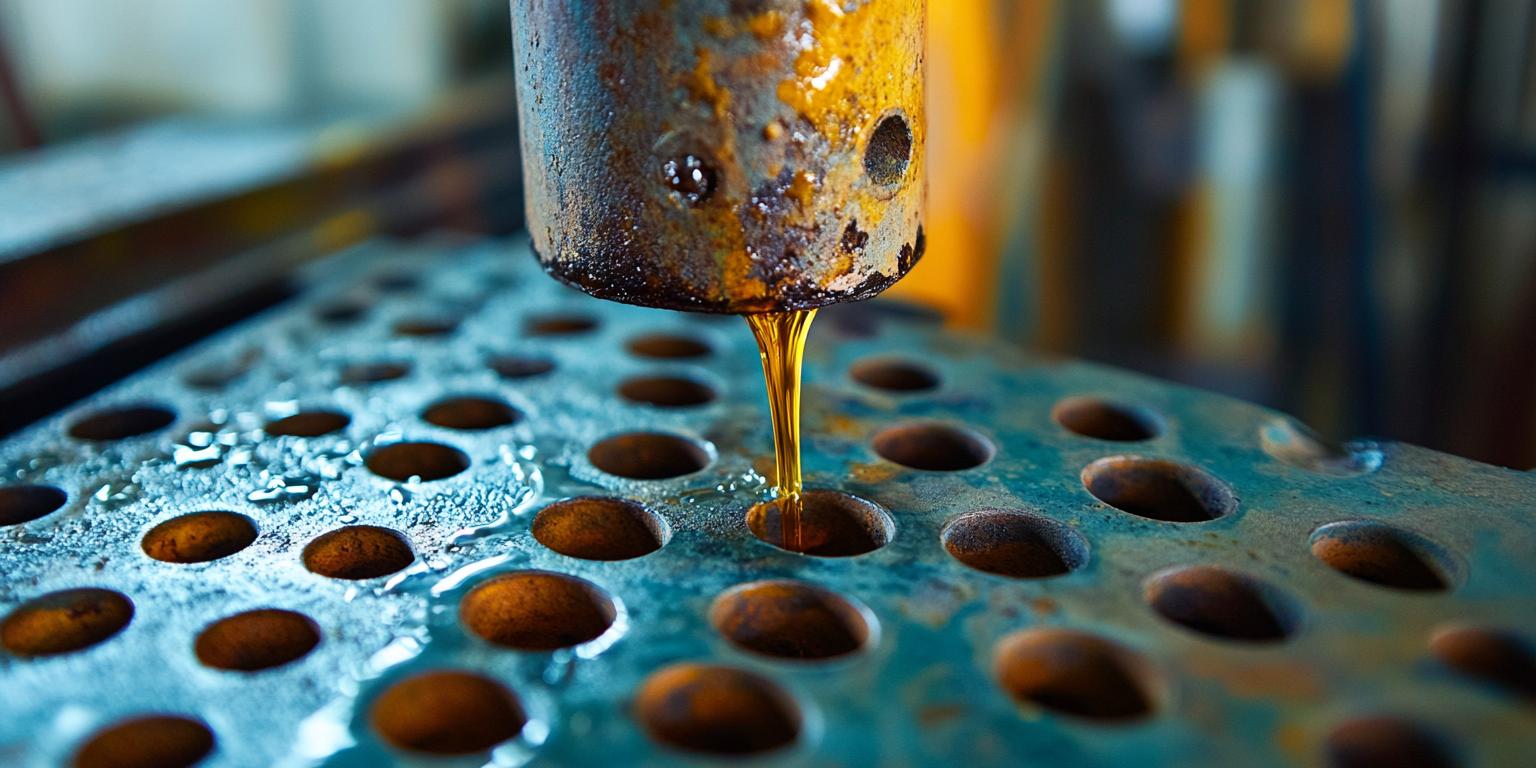
Let's look at some real - world data. A typical medium - sized sunflower oil factory before transformation had an oil yield of about 55%. After adopting the environment - friendly hot - pressing technology and optimizing the entire production process, including better seed pre - treatment, more precise temperature control, and improved filtration, the oil yield increased to 68%. This shows that with the right technology and process optimization, significant improvements in oil yield can be achieved.
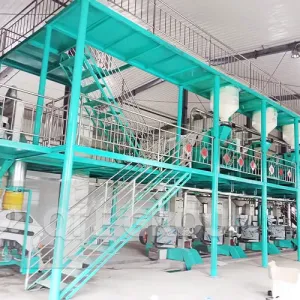
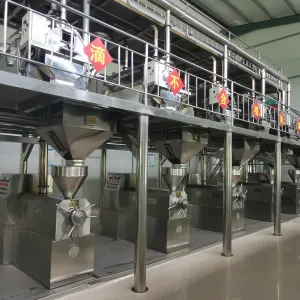
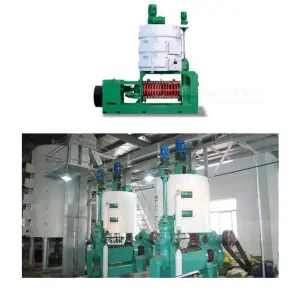
Different production scales require different equipment combinations. For small - scale production lines, simple and cost - effective equipment is more suitable, such as small - capacity cold - pressing machines. Medium - scale production lines may need a combination of pre - treatment equipment, hot - pressing machines, and basic refining systems. Large - scale production lines often require a complete set of advanced equipment, including high - efficiency seed cleaners, large - capacity hot - pressing units, and sophisticated refining and filtration systems. For example, an efficient oil filter can reduce residue loss, which is beneficial for both small and large - scale production.

In addition to process optimization and equipment selection, operation skills and regular maintenance are also crucial. Operators should be trained to master the key parameters of each process, such as the correct seed pre - treatment methods, the optimal pressing temperature, and the appropriate filtration time. Regular maintenance of equipment can ensure its long - term stable operation and prevent breakdowns that may affect production efficiency. For example, regular cleaning of the pressing chamber and replacement of filter elements can maintain the performance of the equipment.
In conclusion, by optimizing the entire production process, from raw material cleaning to final filling, and making the right choices in equipment and technology, sunflower oil production enterprises can significantly improve their oil yield. Whether you are a startup or a traditional workshop, there is great potential for transformation and competitiveness enhancement. If you want to learn more about how to improve the oil yield in sunflower oil production, click here for more in - depth information.