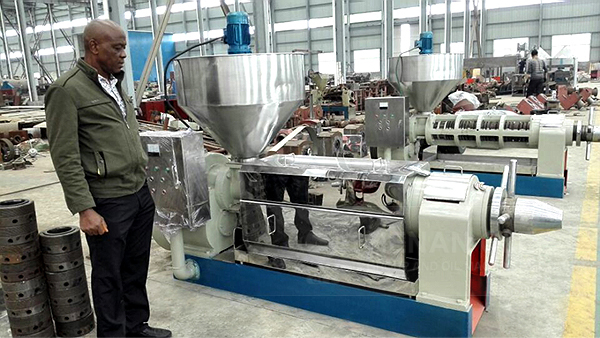
Small and medium-sized edible oil plants frequently grapple with soaring energy consumption and low production efficiency. In response to this, energy-efficient oil pressing equipment has emerged as a game changer, enabling local processors to slash operational costs while improving product quality. By optimizing equipment parameters, orchestrating labor shifts effectively, and harnessing residual heat, oil producers can significantly reduce energy usage per ton of oil produced—often by up to 18%—while maintaining output.
Common pain points in small and medium-sized oil mills include high idle running rates and excessive heat loss during processing. These inefficiencies not only inflate electricity and fuel bills but also impact the consistency and quality of edible oil. For example, many traditional setups keep machinery running without materials during batch transitions, causing unnecessary energy drain.
By targeting these issues, energy management optimization strategies can be put in place to align machine operation closely with actual processing loads, optimizing the thermal exchange and minimizing standby consumption.
Consider three local oil processing plants specializing in peanut, rapeseed, and soybean oils respectively. Each implemented energy-saving modifications tailored to their raw material characteristics:
These interventions resulted in average total energy savings of approximately 16-18% without compromising yield, demonstrating that strategic adjustments can yield tangible results for diverse local oil producers.
Improved heat exchange efficiency primarily hinges on maximizing thermal energy transfer between exhaust gases and incoming raw materials via heat exchangers. Efficient load matching controls ensure machines operate within their optimal performance window, avoiding wasteful overcapacity or strain.
For instance, when a cold press has real-time sensors measuring load, the system can dial down motor speed to match pressing requirements dynamically, saving electric power and extending machine lifespan.
Through accumulated practical experience, several universal guidelines have been proven effective for small to medium-scale oil producers:
Energy-efficient approaches do more than just cut costs. By adopting cold pressing technologies coupled with “no-additive” labeling, oil producers can tap into the growing health-conscious market demanding minimally processed, high-quality edible oils.
'Energy Savings = Quality Improvement + Efficiency Gain' exemplifies the operational upgrading mindset, where sustainable production practices enhance product differentiation and foster long-term competitive advantage.
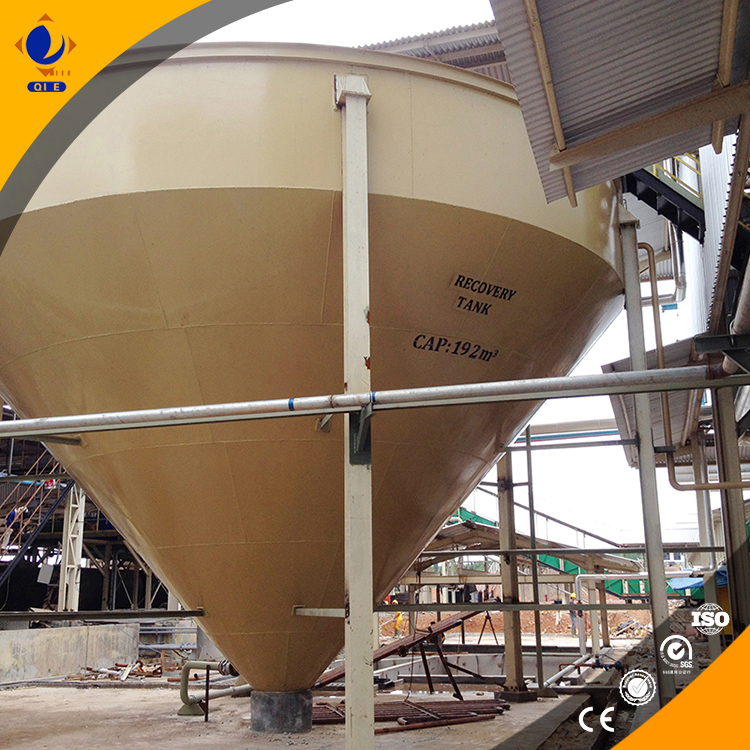
More than three rural-scale factories have validated these improvements, reinforcing that your oil mill can also achieve similar results through tailored adjustments.
The pathway to enhanced edible oil production efficiency through energy-efficient equipment and operational optimization is well-charted and accessible. Implementing these practical guidelines will not only reduce your energy bill but also position your products favorably in a health-driven market environment.
.jpg)

 71
|
71
|
 Cold-pressed sunflower oil
Cold-pressing technology
Healthy cooking oil
Low-temperature pressing
Nutrient retention
297
|
High-quality cold-pressed sunflower oil selection
How to distinguish cold-pressed sunflower oil
Cold-pressed oil nutritional component detection
Sunflower oil purchase guide
Cold-pressing process identification method
Cold-pressed sunflower oil
Cold-pressing technology
Healthy cooking oil
Low-temperature pressing
Nutrient retention
297
|
High-quality cold-pressed sunflower oil selection
How to distinguish cold-pressed sunflower oil
Cold-pressed oil nutritional component detection
Sunflower oil purchase guide
Cold-pressing process identification method
 258
|
medium sunflower oil press
dehulling oil expeller
sunflower oil yield improvement
cold vs hot pressing technology
small to medium oil mill equipment
347
|
cold pressed sunflower oil
sunflower oil production equipment
antioxidant capacity in oils
high quality sunflower oil
export oil processing
258
|
medium sunflower oil press
dehulling oil expeller
sunflower oil yield improvement
cold vs hot pressing technology
small to medium oil mill equipment
347
|
cold pressed sunflower oil
sunflower oil production equipment
antioxidant capacity in oils
high quality sunflower oil
export oil processing
 457
|
sunflower seed oil yield improvement
mid-sized oil press operation
sunflower oil pressing technology
oil press equipment optimization
oil extraction process enhancement
457
|
sunflower seed oil yield improvement
mid-sized oil press operation
sunflower oil pressing technology
oil press equipment optimization
oil extraction process enhancement
.jpg)