In the landscape of low-energy edible oil processing, small and medium-sized edible oil mills face unique challenges balancing energy consumption with productivity. This guide explores actionable strategies centered on equipment parameter optimization that deliver tangible energy savings and operational improvements. Drawing on real-world cases and technical insights, it equips mill operators with best practices for sustainable and cost-effective production—especially within local contexts where raw material characteristics vary significantly.
Typical energy inefficiencies in edible oil plants stem from improperly calibrated machinery, suboptimal scheduling, and waste heat loss. For example, findings from regional mills show that energy waste can account for up to 25% of total consumption due to outdated equipment settings and neglected heat recovery systems. Such inefficiencies not only inflate operational costs but also undermine competitiveness in markets increasingly demanding healthy and sustainable edible oils.
Modernizing process parameters can reduce energy use without compromising output quality. Key adjustment points include:
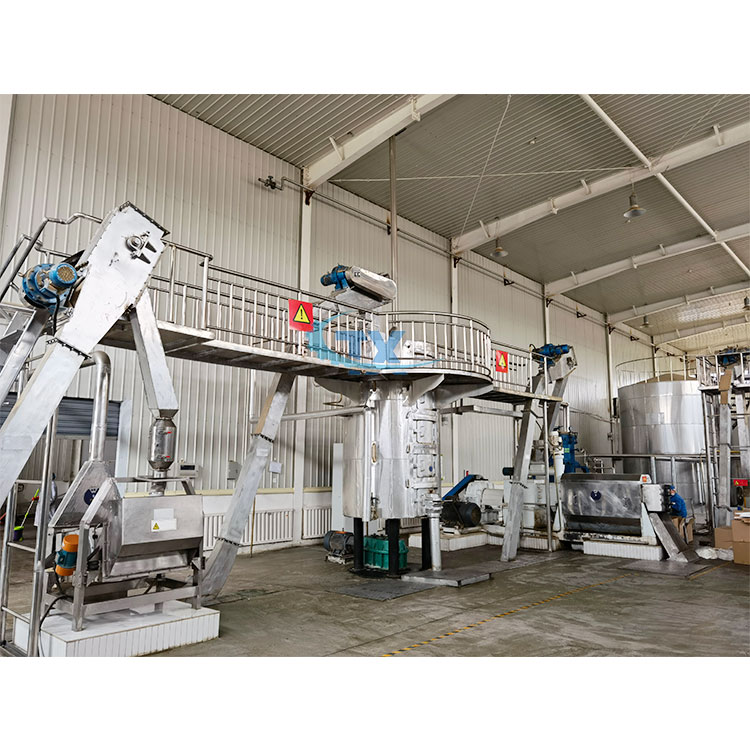
Beyond equipment tuning, production scheduling plays a crucial role. Consolidating processing tasks into fewer continuous shifts minimizes cold starts, safeguarding equipment longevity while reducing peak energy loads. A regional case study demonstrated that shifting from three intermittent shifts to two optimized continuous shifts saved 18% in energy costs.
Additionally, integrating extrusion of residual heat through heat exchangers reutilizes thermal energy for seed pre-heating or boiler feedwater warming, improving overall plant energy efficiency by an estimated 20%.
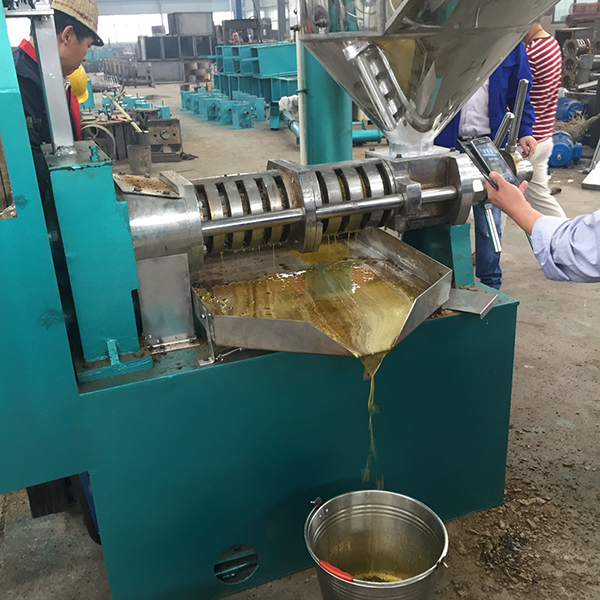
Different oil seeds and nuts require customized processing parameters to maximize oil yield and quality while minimizing energy. For example, cold-pressed oilseeds with higher moisture content may necessitate slightly elevated temperature settings for optimal extraction compared to drier varieties. Establishing local pilot trials to calibrate equipment parameters against raw material profiles can boost energy efficiency by 10-20% and oil yields accordingly.
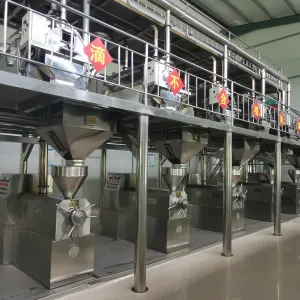
.jpg)
The rising demand for health-conscious edible oils presents an opportunity for mills that combine low-energy, high-quality production methods with strong product differentiation. Highlighting benefits such as cold-pressed extraction, minimal oxidation, and sustainable energy use aligns brand positioning with consumer values in regional markets.
Optimized energy use also improves margins, enabling competitive pricing or reinvestment in value-added features like nutritional testing and certification—critical factors for standing out in today's fast-evolving healthy edible oil market.

 258
|
258
|
 medium sunflower oil press
dehulling oil expeller
sunflower oil yield improvement
cold vs hot pressing technology
small to medium oil mill equipment
medium sunflower oil press
dehulling oil expeller
sunflower oil yield improvement
cold vs hot pressing technology
small to medium oil mill equipment
 195
|
cold-pressed sunflower oil quality
how to identify cold-pressed oil
sunflower oil nutritional content
sunflower oil quality standards
cold-pressed oil evaluation methods
195
|
cold-pressed sunflower oil quality
how to identify cold-pressed oil
sunflower oil nutritional content
sunflower oil quality standards
cold-pressed oil evaluation methods
 488
|
cold pressed sunflower oil
sunflower oil nutrition label
how to choose cold pressed oil
edible oil quality indicators
healthy cooking oil selection
488
|
cold pressed sunflower oil
sunflower oil nutrition label
how to choose cold pressed oil
edible oil quality indicators
healthy cooking oil selection
 226
|
Cold-pressed sunflower oil
Selection of high-quality sunflower oil
Identification of cold-pressing process
Oil packaging labels
Antioxidant capacity testing
226
|
Cold-pressed sunflower oil
Selection of high-quality sunflower oil
Identification of cold-pressing process
Oil packaging labels
Antioxidant capacity testing
 59
|
cold-pressed sunflower seed oil
premium sunflower oil selection
sunflower oil packaging label
sunflower oil identification methods
antioxidant sunflower oil
59
|
cold-pressed sunflower seed oil
premium sunflower oil selection
sunflower oil packaging label
sunflower oil identification methods
antioxidant sunflower oil











.jpg)