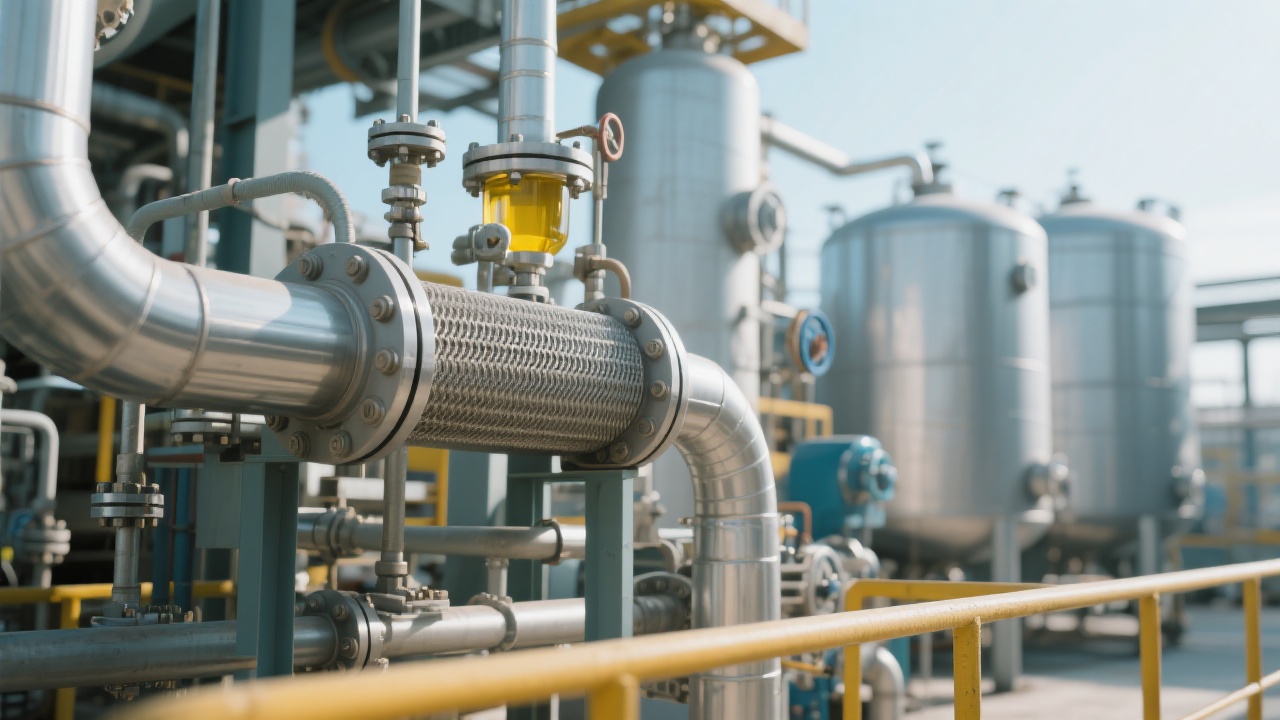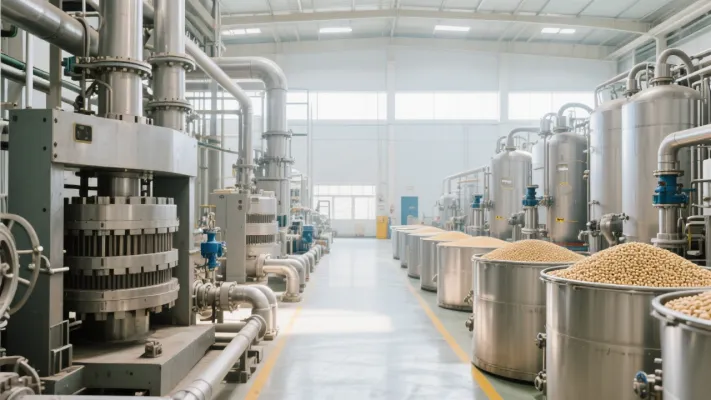
In the sunflower seed oil industry, filtration is more than a routine step—it's a critical process that directly affects the oil’s yield, clarity, and shelf life. Inefficient filtration can leave impurities that degrade oil quality, lower market value, and reduce export competitiveness. This article explores the technical advantages of high-efficiency oil filter machines, contextualizes their impact with real-world factory data, and offers strategic device recommendations tailored to varied enterprise scales.
Modern sunflower seed oil production involves multiple stages—from seed pretreatment and pressing (cold or hot) to refining and finally filtration. Filtration stands as the final safeguard to remove solid residues, suspended particles, phospholipids, and other impurities. Clean filtration ensures the extracted oil achieves optimal clarity and stability, essential for maintaining a consistent export-grade quality.
Traditional filtration methods often suffer from limited precision and manual control, leading to residual impurities causing turbidity, unpredictable color variations, and shortened shelf life. These quality issues commonly result in rejected shipments or price concessions, directly impacting profitability. Industry data indicates up to 20% loss in oil value due to suboptimal filtration practices.
| Feature | Benefit |
|---|---|
| Filtration Precision (5-10 microns) | Removes fine residual solids improving oil clarity significantly |
| Automated Operation | Ensures consistent filtration cycles and reduces human error |
| Easy Maintenance Design | Minimizes downtime and prolongs equipment life span |
| Modular Scalability | Allows tailoring system size to production scale for maximum cost-effectiveness |
Traditional filtration, often relying on coarse mesh or gravity-based sedimentation, yields lower throughput and inconsistent oil quality. In contrast, high-efficiency filters increase throughput by up to 25% while reducing residual oil loss through precise separation. On average, enterprises adopting modern filtration observe a residual sediment reduction exceeding 30%, preserving more valuable oil and improving downstream refining efficiency.
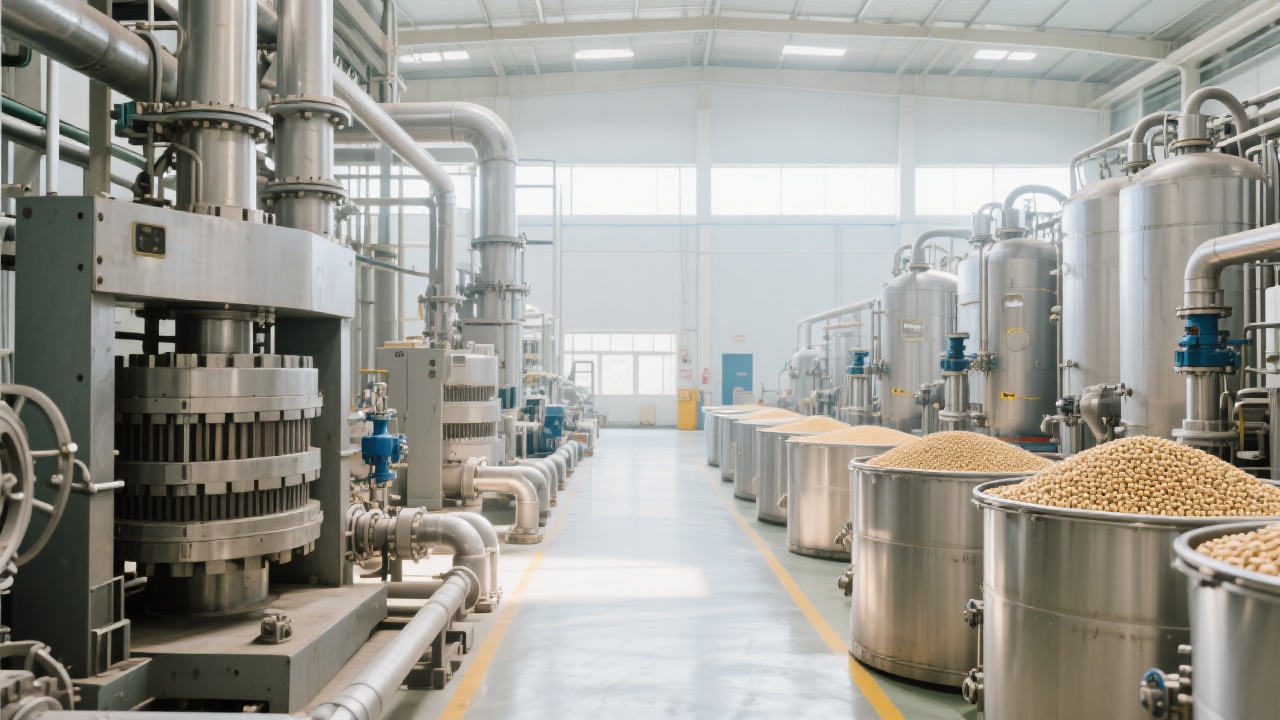
Selecting the right filtration solution depends on production volume and process complexity:
This tailored approach avoids over-investment, ensures system compatibility with existing workflows, and maximizes ROI.

High-efficiency filtration systems require routine maintenance checks—such as filter medium replacement, pressure monitoring, and lubrication—to maintain peak performance. Studies show scheduled upkeep reduces downtime by up to 40% and extends equipment lifespan by several years. Embedding such practices into factory protocols completes a virtuous cycle that supports steady high yields and quality.