https://shmuker.oss-cn-hangzhou.aliyuncs.com/data/oss/65b068c3c2e9735675cac322/65b46cb67cfeb5177346777c/20240426173741/未标题-1_画板%201.png

Efficiency Evaluation and Performance Comparison of Small Oil Press Equipment: Optimizing Production Lines for Export Clients
2025-10-06
QI ' E Group
Technical knowledge
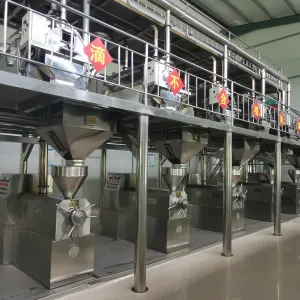
Struggling to choose the right small oil press equipment for sunflower seed oil extraction? This article dives deep into core performance metrics—from cleaning and dehulling to pressing and filtration—comparing hourly capacities (50kg to 5 tons/day) and automation levels (semi-automatic vs. fully automatic). It also analyzes stainless steel versus carbon steel materials in terms of durability, maintenance cost, and food safety compliance. Real-world case studies break down labor savings vs. automation ROI, helping you make data-driven decisions that boost efficiency and return on investment. Let every drop of oil count—optimize your line, start with smart selection.
https://shmuker.oss-accelerate.aliyuncs.com/data/oss/65b068c3c2e9735675cac322/668263a4df9f6e7a1281439c/20240709154515/697.jpg

Are You Choosing the Right Small Oil Press for Your Sunflower Seed Processing?

If you're running a small to mid-sized oilseed business and wondering how to boost efficiency without overinvesting, this guide is your starting point.

Step-by-Step: What Really Drives Efficiency in Small-Scale Oil Extraction?

Let’s break down the four core stages of sunflower oil processing — cleaning, dehulling, pressing, and filtration — and see where real gains happen:

Process Stage Key Metric Efficiency Impact
Cleaning Moisture Removal (target: ≤8%) Reduces clogging by up to 40% in press units
Dehulling Kernel Recovery Rate Improves yield by 5–8% when properly executed
Pressing Oil Yield (% of seed weight) Ranges from 35% (low-grade seeds) to 50% (premium quality)
Filtration Clarity & Shelf Life Proper filtration extends shelf life by 30+ days

For example, one client in Ukraine upgraded from a manual screw press to an automated system with integrated filtration. Their daily output jumped from 120 kg to 350 kg — while reducing labor costs by 60%. That’s not just convenience — it’s ROI.

Material Matters: Stainless Steel vs Carbon Steel – Which One Pays Off?

While carbon steel may look cost-effective upfront, stainless steel offers long-term value:

  • Durability: SS units last 7–10 years under regular use; carbon steel typically lasts 3–5 years before corrosion issues arise.
  • Hygiene Compliance: FDA/EC-compliant materials ensure food safety standards — critical for export markets like EU or GCC.
  • Maintenance Cost: Stainless steel requires less frequent cleaning and replacement parts — saving ~$200/month in downtime.

So if your goal is consistent quality and fewer production interruptions, investing in stainless steel isn’t luxury — it’s smart engineering.

Let every drop count — because efficiency shouldn’t be guessed, it should be calculated.

Whether you’re a startup looking to scale or an established processor optimizing throughput, choosing the right equipment starts with understanding what drives performance — not just price.

Still unsure which configuration fits your operation? We’ve helped over 300 clients across Europe, Southeast Asia, and Africa optimize their setups based on actual output goals and budget constraints.

Get Your Customized Equipment Plan Today

Recommended Products
Hot Products
Contact us
Contact us
https://shmuker.oss-cn-hangzhou.aliyuncs.com/tmp/temporary/60ec5bd7f8d5a86c84ef79f2/60ec5bdcf8d5a86c84ef7a9a/thumb-prev.png