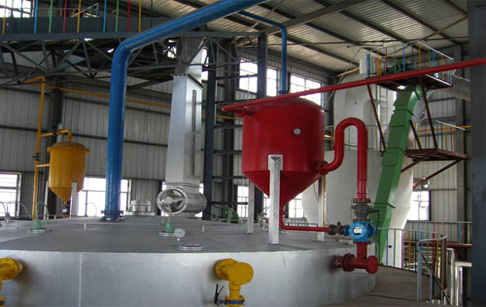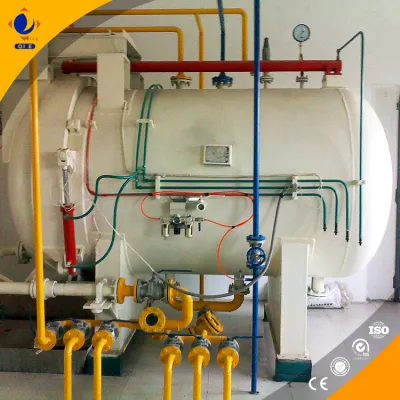
In today's competitive edible oil processing industry, small and medium-sized factories face the dual challenge of rising energy costs and increasing market demands. According to industry research, energy consumption typically accounts for 25-35% of total production costs in oil processing plants, making energy efficiency a critical factor for sustainable profitability. Penguin Group has been working closely with regional oil processors to implement practical energy-saving solutions that deliver measurable results.
Many small-scale oil mills unknowingly waste significant energy through outdated equipment and inefficient processes. Common issues include:
These inefficiencies often result in energy costs that are 30-40% higher than industry benchmarks, significantly eroding profit margins for small and medium enterprises.
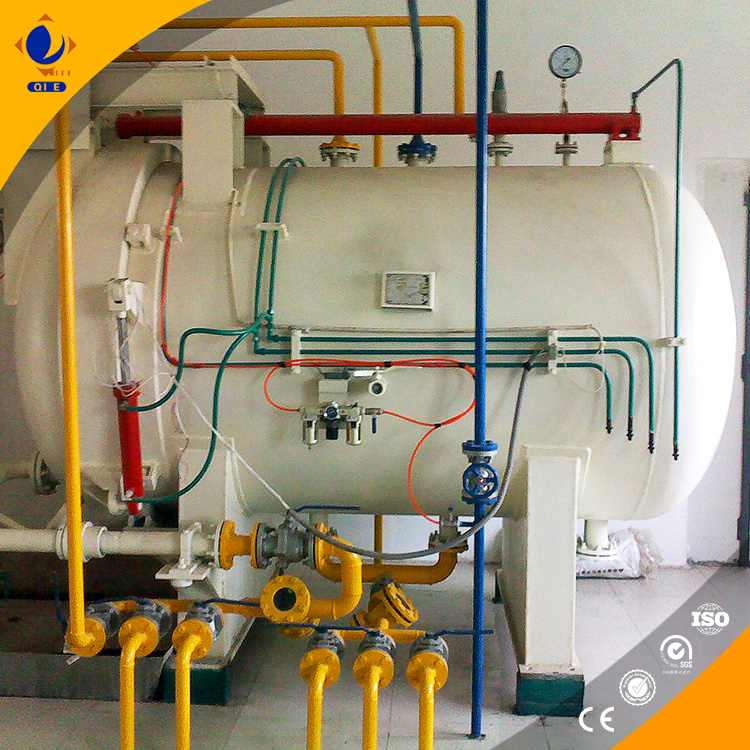
A medium-sized peanut oil factory with daily capacity of 15 tons implemented three key changes:
Results after 6 months: 28% reduction in energy consumption per ton of oil and 12% increase in daily output due to improved equipment efficiency.
A family-owned rapeseed oil mill with 8-ton daily capacity focused on process optimization:
Results after 3 months: 32% lower energy costs and 15% improvement in oil extraction rate, leading to significant profit margin improvement.
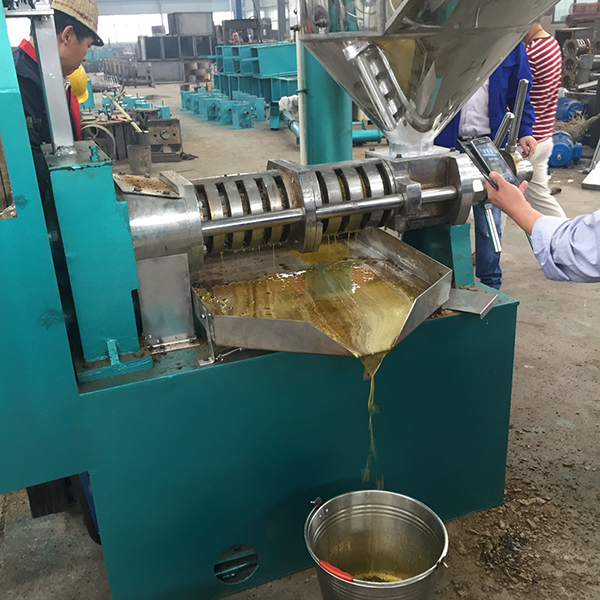
While technical jargon can be intimidating, the core principles behind energy-efficient oil processing are straightforward:
Modern heat exchangers can recover up to 70-80% of waste heat from processing stages. This recovered energy can be reused for preheating raw materials or maintaining optimal processing temperatures, reducing the need for fresh energy input.
Variable frequency drives (VFDs) allow equipment to operate at optimal speeds based on actual load requirements, rather than running at full capacity continuously. This can reduce motor energy consumption by 20-40% in pumping and conveying systems.
By integrating different stages of the oil processing line, facilities can eliminate redundant heating and cooling steps. For example, waste heat from deodorization can be used to preheat oil for refining, creating a more energy-efficient closed-loop system.
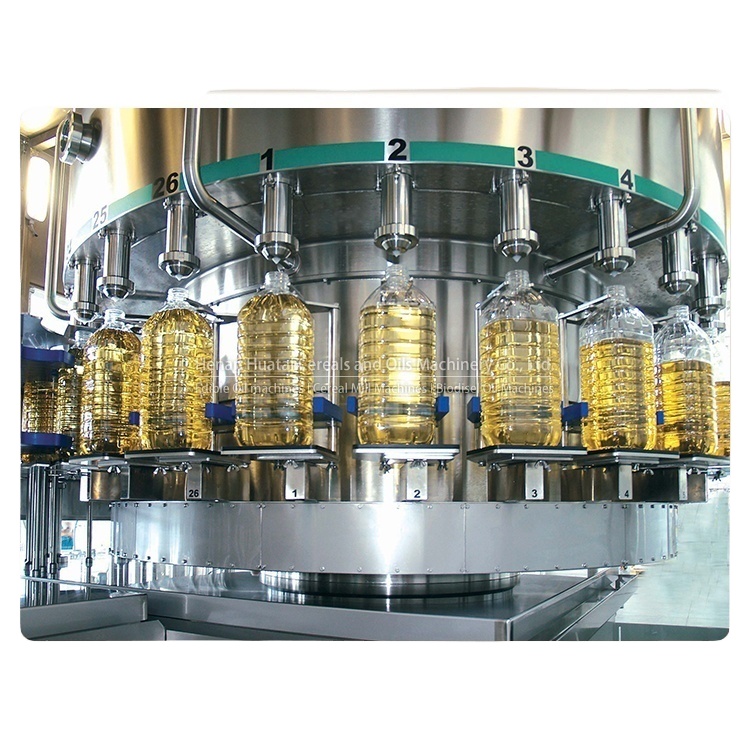
Different oilseeds require tailored approaches to energy optimization. Here are general guidelines for common oilseeds:
| Oilseed Type | Key Energy-Saving Focus | Potential Energy Reduction |
|---|---|---|
| Soybean | Optimize dehulling and cooking temperature profile | 20-25% |
| Peanut | Implement shell waste heat recovery | 25-30% |
| Rapeseed | Optimize pressing pressure and temperature | 18-22% |
| Sunflower | Improve oil-water separation efficiency | 15-20% |
Beyond cost savings, energy-efficient processing directly contributes to product quality and market positioning. With growing consumer demand for healthier edible oils, energy-efficient cold pressing technologies not only reduce energy consumption by 30-40% compared to traditional methods but also preserve more natural nutrients in the oil.
Regional markets across Asia, Africa, and South America are increasingly valuing certified low-carbon footprint products. By implementing energy-saving measures, small and medium oil processors can access premium market segments and differentiate their products in crowded marketplaces.
Discover how Penguin Group's energy-saving solutions can help your facility reduce operational costs while increasing output and product quality. Our team of experts specializes in tailoring solutions to different oilseeds and production scales.
Download Your Free Energy Efficiency Assessment GuideImplementing energy-saving measures doesn't require a complete overhaul of your existing facility. Often, targeted upgrades and process adjustments can deliver significant improvements with manageable investment. By starting with a comprehensive energy audit, small and medium oil processors can identify the highest-impact opportunities and develop a phased approach to optimization.
As energy costs continue to rise and market competition intensifies, the adoption of energy-efficient technologies is no longer optional but essential for long-term business sustainability. The case studies and strategies outlined here provide a roadmap for small and medium edible oil factories to achieve both environmental and economic benefits through smarter energy management.
 344
|
344
|
 sunflower seed oil yield improvement
medium screw oil press operation
sunflower seed moisture control
pressing temperature settings
oil press maintenance troubleshooting
sunflower seed oil yield improvement
medium screw oil press operation
sunflower seed moisture control
pressing temperature settings
oil press maintenance troubleshooting
 214
|
sunflower seed oil production equipment
process compatibility assessment
capacity matching
equipment maintenance ease
equipment procurement guide
214
|
sunflower seed oil production equipment
process compatibility assessment
capacity matching
equipment maintenance ease
equipment procurement guide
 490
|
Cold-pressed sunflower oil machine
Small-batch oil machine selection
Cold-pressed oil machine maintenance
Healthy sunflower oil production
Cold-pressing equipment operation guide
490
|
Cold-pressed sunflower oil machine
Small-batch oil machine selection
Cold-pressed oil machine maintenance
Healthy sunflower oil production
Cold-pressing equipment operation guide
 457
|
sunflower seed oil yield improvement
mid-sized oil press operation
sunflower oil pressing technology
oil press equipment optimization
oil extraction process enhancement
457
|
sunflower seed oil yield improvement
mid-sized oil press operation
sunflower oil pressing technology
oil press equipment optimization
oil extraction process enhancement
 474
|
Sunflower seed oil vacuum filter machine faults
filter cartridge clogging solutions
vacuum pressure drop troubleshooting
vacuum filter machine maintenance
industrial oil filtration equipment care
474
|
Sunflower seed oil vacuum filter machine faults
filter cartridge clogging solutions
vacuum pressure drop troubleshooting
vacuum filter machine maintenance
industrial oil filtration equipment care