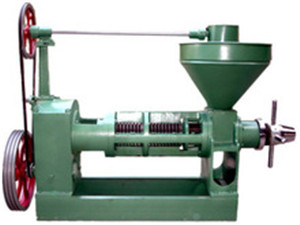
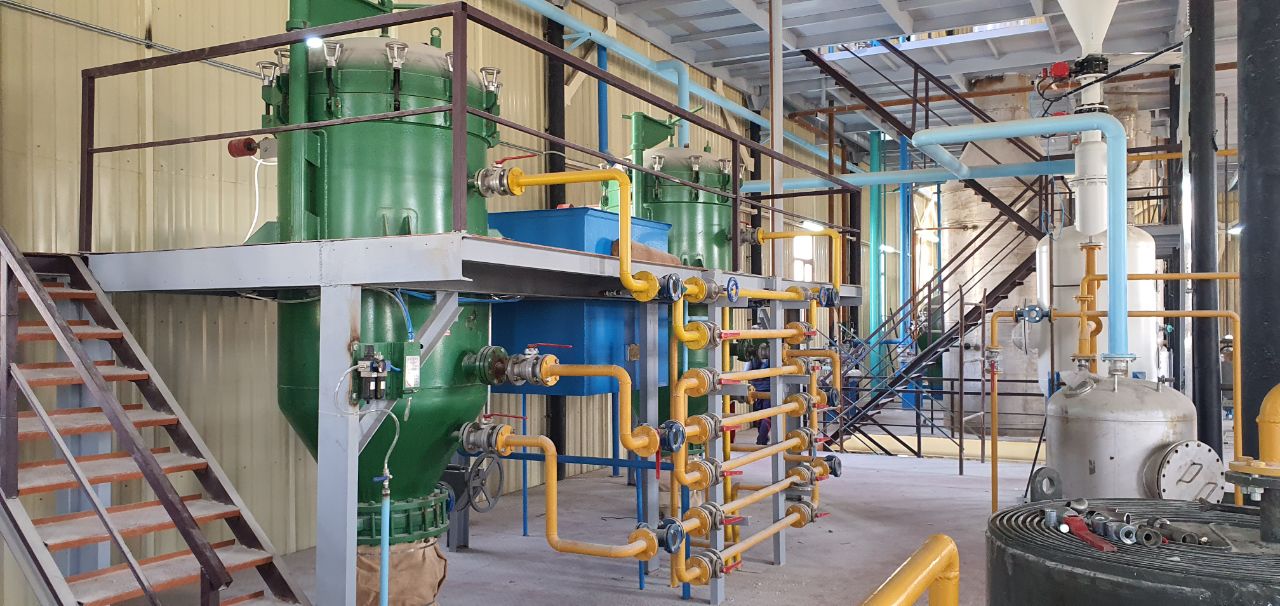
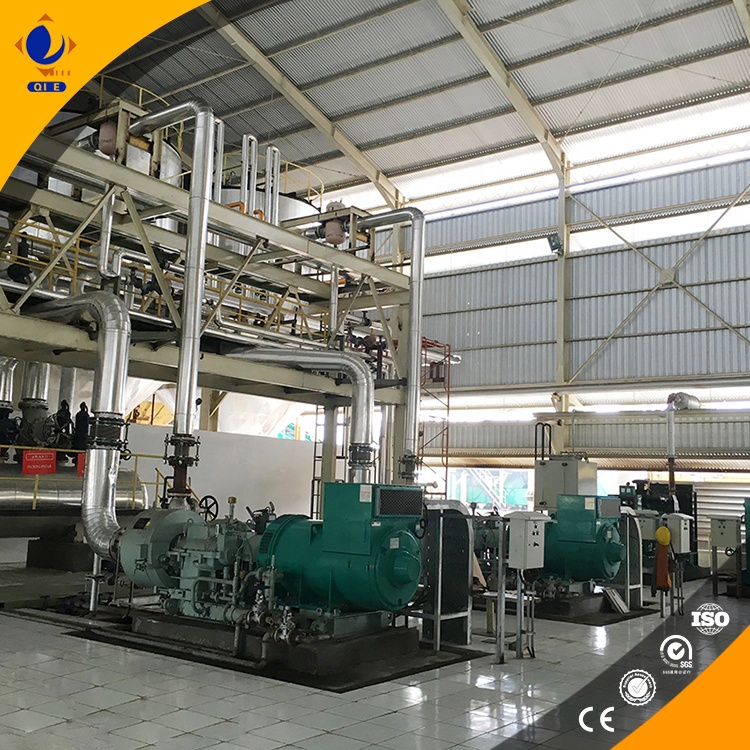
In the competitive landscape of edible oil production, small to medium-sized enterprises are constantly seeking ways to optimize their processes and maximize yields. One critical technological advancement that has transformed sunflower oil extraction is the integration of dehusking functionality in medium-scale oil presses. This article explores how dehusking technology directly impacts extraction rates, product quality, and overall operational efficiency for businesses using medium-sized sunflower oil presses.
Sunflower seeds consist of three main components: the outer hull (20-25% of total weight), the kernel (65-70%), and the thin seed coat. The hull, primarily composed of cellulose and lignin, contains minimal oil content (less than 3%) but occupies significant volume. When processed without dehusking, these hulls create several operational challenges that directly impact oil yield and quality.
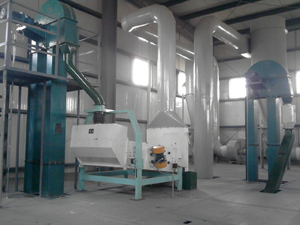
The dehusking process involves separating the oil-rich kernel from the fibrous hull before pressing. This seemingly simple step creates a cascade of benefits throughout the extraction process:
| Processing Method | Average Oil Yield | Impurity Level | Refining Difficulty |
|---|---|---|---|
| Traditional (Without Dehusking) | 42-45% | High (8-12%) | Complex |
| With Dehusking Technology | 50-53% | Low (2-3%) | Simplified |
The decision between cold pressing and hot pressing involves balancing nutritional quality, yield, and market demand. Dehusking technology enhances both processes differently:
Maintains oil's natural antioxidants and nutrients while achieving 48-50% yield. Ideal for premium, organic oil markets where nutritional quality commands higher prices. Recommended for specialty oil producers targeting health-conscious consumers.
Achieves maximum yield (52-53%) through optimized heat application to dehusked kernels. Produces oil with longer shelf life due to reduced moisture content. Recommended for high-volume producers focused on market competitiveness.

Consider the case of a mid-sized Ukrainian oil processor that integrated 企鹅集团 (QIE Group) dehusking technology into their existing production line. Within three months, they documented:
Similar results have been observed across Eastern Europe, Central Asia, and South America, where sunflower cultivation is prevalent. The common factor in these success stories is the strategic integration of dehusking technology tailored to specific production scales and market requirements.
As global demand for edible oils continues to rise—projected to reach 220 million metric tons by 2025—efficiency gains will separate industry leaders from followers. Dehusking technology represents not just an incremental improvement but a fundamental shift in how medium-scale producers can compete with larger operations.
The integration of smart monitoring systems and automated husk separation is becoming standard, allowing operators to adjust parameters in real-time for optimal yield. For forward-thinking businesses, these technological investments translate directly to market competitiveness and long-term sustainability.
Discover how QIE Group dehusking technology can increase your oil yield by up to 20% while reducing operational costs.
Get Your Customized Oil Press SolutionWhether you're processing 500 kg or 5 tons of sunflower seeds daily, the decision to invest in dehusking technology requires careful evaluation of your specific needs, market demands, and long-term business goals. The data speaks clearly: for most medium-scale operations, the roi on dehusking technology typically ranges from 12 to 18 months, with ongoing benefits for years to come.

 390
|
390
|
 sunflower seed oil extraction machines
cold-pressing machines
solvent extraction machines
sunflower oil production equipment
sunflower oil quality assurance
sunflower oil yield enhancement
sunflower seed oil extraction machines
cold-pressing machines
solvent extraction machines
sunflower oil production equipment
sunflower oil quality assurance
sunflower oil yield enhancement
 74
|
sunflower oil extraction
extraction rates
oil production efficiency
74
|
sunflower oil extraction
extraction rates
oil production efficiency
.jpg?x-oss-process=image/resize,h_300,m_lfit/format,webp) 422
|
environmental production
sustainable development
filtration technology
422
|
environmental production
sustainable development
filtration technology
 200
|
Cold-pressed sunflower oil equipment
Sunflower oil cold-pressing process
Healthy oil extraction
Cold-pressed oil maintenance skills
Sunflower oil production process
200
|
Cold-pressed sunflower oil equipment
Sunflower oil cold-pressing process
Healthy oil extraction
Cold-pressed oil maintenance skills
Sunflower oil production process
 112
|
Sunflower oil processing
Pressing process
Shelling technology
Sunflower oil grinder
Oil filtration
112
|
Sunflower oil processing
Pressing process
Shelling technology
Sunflower oil grinder
Oil filtration