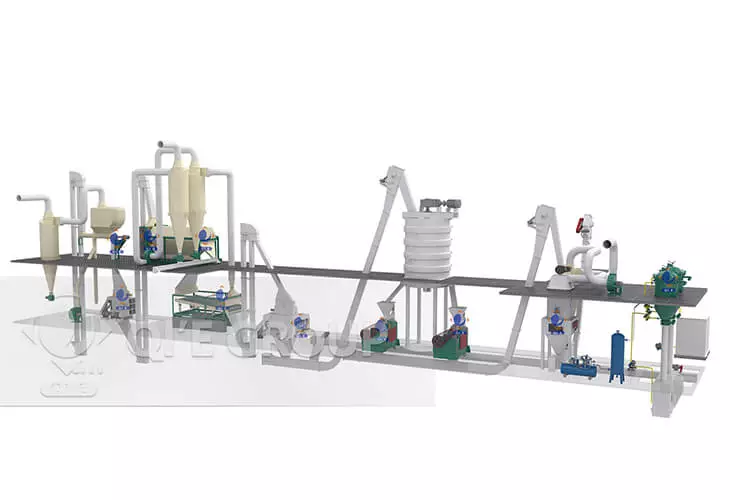
In the current market, with health and nutrition at the forefront of consumers' minds, the choice of cooking oil has become a topic of great concern. Sunflower oil, a popular option, offers different benefits depending on the extraction method - cold-pressed and hot-pressed. This article aims to delve deep into these two processes, explore their impact on nutritional content, and provide insights for the right choice.
Cold-pressed sunflower oil is produced using a low-temperature extraction technique. The process starts with meticulous seed cleaning to remove any impurities. Then, under a strictly controlled low temperature, usually below 60°C, the seeds are slowly pressed. This gentle approach is like making a fine cup of coffee, where temperature control is crucial. By keeping the temperature low, the natural nutritional components of sunflower seeds are well-preserved. For example, cold-pressed sunflower oil retains up to 80% of the original vitamin E content in the seeds, compared to only about 50% in hot-pressed oil. Vitamin E is a powerful antioxidant that can help protect cells from damage and slow down the aging process.
On the other hand, hot-pressed sunflower oil is extracted at a higher temperature, generally between 120°C - 180°C. This high temperature speeds up the extraction process but has a significant impact on nutritional components. Many heat-sensitive nutrients, such as polyphenolic antioxidants, are greatly reduced during the hot-pressing process. According to research, the polyphenol content in cold-pressed oil can be 2 - 3 times higher than that in hot-pressed oil. Polyphenols have various health benefits, including anti-inflammatory and cardiovascular protection effects.
| Indicator | Cold-Pressed Sunflower Oil | Hot-Pressed Sunflower Oil |
|---|---|---|
| Vitamin E Content | Up to 80% retained | About 50% retained |
| Polyphenol Content | 2 - 3 times higher | Lower |
| Peroxide Value | Lower (about 0.5 - 1.0 meq/kg) | Higher (about 1.5 - 2.0 meq/kg) |
The peroxide value reflects the degree of oil oxidation. A lower peroxide value indicates better oil stability and freshness. Cold-pressed sunflower oil has a lower peroxide value, which means it is less likely to oxidize and produce harmful substances during storage and cooking.
Cold-pressed sunflower oil is ideal for salad dressings and light cooking methods such as stir-frying at low to medium heat. Its rich nutritional components and mild flavor can enhance the taste and nutritional value of food. In contrast, hot-pressed sunflower oil has a stronger flavor and higher smoke point, making it more suitable for high-temperature cooking methods like deep-frying. However, considering the loss of nutrients during high-temperature processing, cold-pressed oil is a better choice for those who prioritize health.
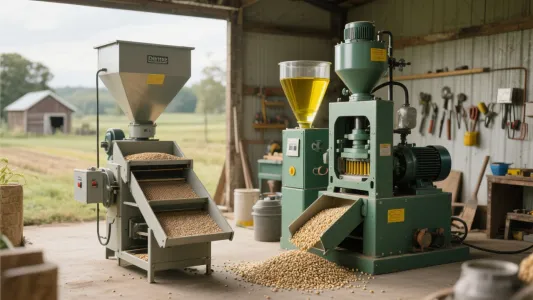
In recent years, there has been a growing trend towards healthy eating, especially in the Mediterranean diet and among those following a ketogenic diet. Cold-pressed sunflower oil fits well into these dietary patterns due to its high nutritional value. As consumers become more aware of health and nutrition, the demand for cold-pressed sunflower oil is expected to continue to rise. This presents a significant opportunity for small and medium-sized oil mills to transform their production processes and meet the market demand.
Q: Is cold-pressed sunflower oil more expensive? A: Generally, cold-pressed sunflower oil is more expensive because of its more complex production process and higher nutrient retention. However, considering the health benefits it brings, it is a worthwhile investment.
Q: Can I use cold-pressed sunflower oil for deep-frying? A: It is not recommended. Cold-pressed sunflower oil has a relatively low smoke point, and deep-frying at high temperatures may cause it to oxidize and produce harmful substances. It is better used for low to medium heat cooking or salad dressings.
If you're interested in high-quality cold-pressed sunflower oil, click here to explore our range of products!
 336
|
336
|
 sunflower oil quality control
sterile filling technology
edible oil processing standards
HACCP compliance
ISO 22000 certification
sunflower oil quality control
sterile filling technology
edible oil processing standards
HACCP compliance
ISO 22000 certification
 228
|
one-step oil press
sunflower seed oil press
integrated filter system
clean oil extraction
efficient oil making
228
|
one-step oil press
sunflower seed oil press
integrated filter system
clean oil extraction
efficient oil making
 313
|
Sunflower Oil Filter Machine
High-Quality Sunflower Oil Filter
Efficient Sunflower Oil Filter Machine
Automatic Sunflower Oil Filter Machine
Centrifugal Sunflower Oil Filter
Vacuum Sunflower Oil Filter
Plate and Frame Sunflower Oil Filter
Pressure Leaf Sunflower Oil Filter
Industrial Sunflower Oil Filter Machine
313
|
Sunflower Oil Filter Machine
High-Quality Sunflower Oil Filter
Efficient Sunflower Oil Filter Machine
Automatic Sunflower Oil Filter Machine
Centrifugal Sunflower Oil Filter
Vacuum Sunflower Oil Filter
Plate and Frame Sunflower Oil Filter
Pressure Leaf Sunflower Oil Filter
Industrial Sunflower Oil Filter Machine
 285
|
hot - pressed sunflower oil press
commercial production efficiency
sunflower oil extraction
increase oil output
sunflower oil production equipment
285
|
hot - pressed sunflower oil press
commercial production efficiency
sunflower oil extraction
increase oil output
sunflower oil production equipment
 56
|
Cold Press Sunflower Oil Machine
Sunflower Oil Press Machine
Healthy Cold Press Oil Extraction
Nutrient-Retaining Sunflower Oil Machine
Eco-Friendly Sunflower Oil Production
High-Quality Sunflower Oil Extraction
Commercial Cold Press Sunflower Oil Machines
Small Scale Sunflower Oil Production
Automated Sunflower Oil Press Machine
Cold Press Sunflower Oil Benefits
56
|
Cold Press Sunflower Oil Machine
Sunflower Oil Press Machine
Healthy Cold Press Oil Extraction
Nutrient-Retaining Sunflower Oil Machine
Eco-Friendly Sunflower Oil Production
High-Quality Sunflower Oil Extraction
Commercial Cold Press Sunflower Oil Machines
Small Scale Sunflower Oil Production
Automated Sunflower Oil Press Machine
Cold Press Sunflower Oil Benefits














.jpg)