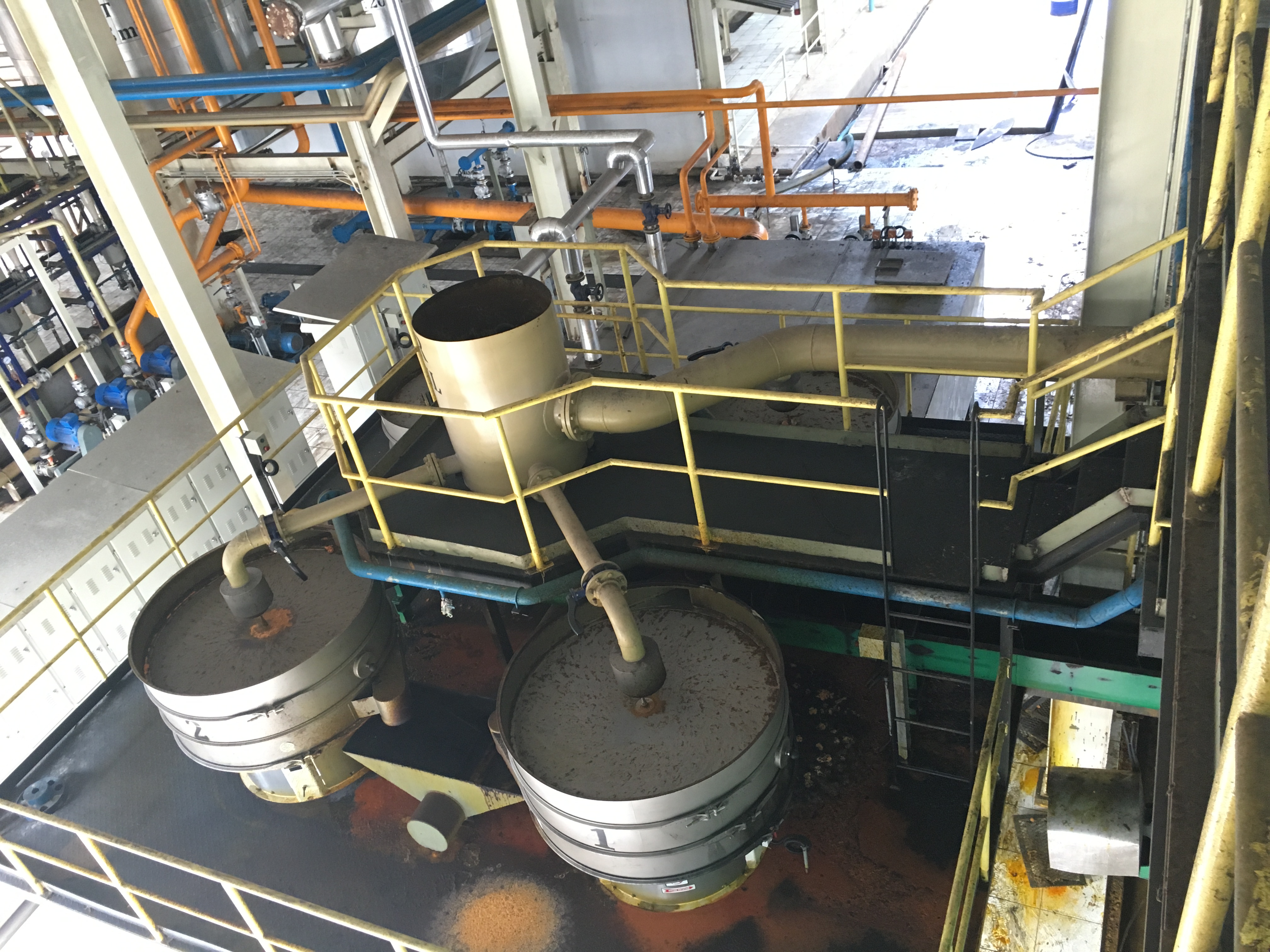
Cold-pressed sunflower seed oil is rapidly gaining traction in global markets due to its superior nutritional properties and natural flavor profile. Unlike conventional extraction methods, the cold-pressing process preserves vital nutrients, offering an oil that aligns perfectly with the rising consumer demand for healthy, antioxidant-rich oils. This article explores the meticulous production process, scientific benefits, and the expanding role of cold-pressed sunflower seed oil in international cuisine and wellness trends.
Every stage of production is critical to safeguarding the quality and nutritional integrity of cold-pressed sunflower seed oil. Starting from seed cleaning, impurities and damaged seeds are meticulously removed to ensure only premium sunflower seeds proceed to the next phase. The seeds are then carefully dehulled to separate the shell from the kernel, which significantly improves oil purity and reduces potential bitterness.
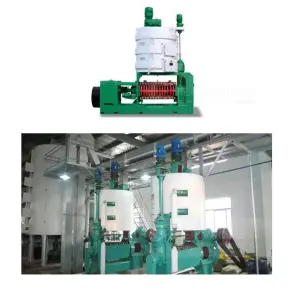
Following preparation, the core step of cold pressing is performed at controlled temperatures below 50°C (122°F). This low-temperature mechanical extraction ensures that the sensitive compounds such as vitamin E and polyphenols are not degraded by heat. The cold-pressed oil then undergoes gentle filtration to remove particulate matter without the need for chemical refining, preserving its natural flavor and antioxidants.
Finally, the oil is packaged in UV-protective containers to prevent oxidation and extend shelf life. The entire process reflects a commitment to purity, freshness, and maximum nutrient retention, making this oil a premium ingredient for health-conscious consumers and food manufacturers alike.
Research consistently demonstrates that cold-pressed sunflower seed oil retains significantly higher levels of vitamin E and polyphenolic antioxidants compared to conventional refined oils. For instance, studies indicate that the vitamin E content in cold-pressed oil ranges from 35 to 45 mg per 100g, which is about 30–40% higher than in hot-pressed or solvent-extracted counterparts.
Moreover, polyphenol concentrations remain robust, contributing to the oil’s excellent oxidative stability and anti-inflammatory properties. These antioxidants play a vital role in neutralizing free radicals, reducing the risk of chronic diseases and supporting cardiovascular health. The following infographic illustrates the nutrient retention differences between cold-pressed and refined sunflower oils.

The global shift towards health-conscious eating has catapulted cold-pressed oils to prominence. High in unsaturated fats and antioxidants, cold-pressed sunflower seed oil fits seamlessly into diets such as the Mediterranean diet and ketogenic regimen, where oil quality directly impacts health outcomes. Its naturally light texture and mild, nutty flavor enhance both raw applications like dressings and dips, as well as low-to-medium heat cooking.
In the international market, consumers are increasingly choosing oils that offer functional benefits beyond basic nutrition. Cold-pressed sunflower seed oil’s robust antioxidant profile meets this demand, positioning it as a preferred ingredient among chefs, food producers, and health-conscious buyers globally.

Market analysis reveals a robust annual growth rate of approximately 8% in the cold-pressed edible oils segment, driven largely by increasing health awareness and ingredient transparency. Technological upgrades in cold-press machinery now enable higher oil yield without compromising quality, allowing producers to scale production effectively.
Furthermore, regulatory trends favor natural, non-chemically refined oils in many export regions, enhancing the competitive positioning of cold-pressed sunflower seed oil. Industry experts predict expanding demand from both FMCG brands and specialty food manufacturers as consumers continue to prioritize nutrient-rich, minimally processed products.


 304
|
304
|
 Sunflower Oil Making Machine
Small and medium-sized oil processing enterprises
Efficient and economical
Sunflower Oil Making Machine
Small and medium-sized oil processing enterprises
Efficient and economical
 493
|
sustainable development
eco-friendly technology
sunflower oil production
493
|
sustainable development
eco-friendly technology
sunflower oil production
 362
|
Sunflower seed oil extraction rate improvement
Cold vs. hot pressing process
Seed pretreatment technology
Sunflower oil production equipment matching
Small and medium-sized oil mill optimization solutions
362
|
Sunflower seed oil extraction rate improvement
Cold vs. hot pressing process
Seed pretreatment technology
Sunflower oil production equipment matching
Small and medium-sized oil mill optimization solutions
 366
|
seed preprocessing equipment for oil extraction
comprehensive solutions for edible oil production
customer-centric service in oil processing
366
|
seed preprocessing equipment for oil extraction
comprehensive solutions for edible oil production
customer-centric service in oil processing
 433
|
cold press sunflower seed oil expeller
healthy oil extraction technology
sunflower seed oil nutrient retention
cold pressing oil machine application
healthy diet equipment
433
|
cold press sunflower seed oil expeller
healthy oil extraction technology
sunflower seed oil nutrient retention
cold pressing oil machine application
healthy diet equipment








.jpg?x-oss-process=image/resize,m_fill,h_300,w_300/format,webp)