In today’s health-conscious kitchens, not all oils are created equal. Your kitchen oil might be silently losing its nutrients before reaching your plate. Cold-pressed sunflower oil offers a compelling alternative, championing nutrient retention and pure flavor without compromise. This article meticulously unpacks the cold-press production journey—from raw seed preparation through to final packaging—revealing how low-temperature processing preserves vital components like vitamin E and polyphenols, making it the preferred choice for health-focused consumers and artisanal producers alike.
It all begins with selecting and cleaning sunflower seeds. Removing impurities such as dust, stones, and broken kernels is vital to ensure purity. Advanced pneumatic separators and destoners gently cleanse without damaging seeds, setting the stage for an oil rich in antioxidants. This step significantly influences yield and oil quality; even a 1% contamination can lower oil clarity and shelf life.
Removing the husk enhances oil extraction efficiency and final oil purity. Modern cold-press producers apply optimized dehulling techniques that minimize seed damage and heat generation—critical since excess heat can prematurely degrade sensitive nutrients. A controlled abrasion dehuller typically reduces husk content by 85-90%, improving pressing performance without affecting natural seed oil content.
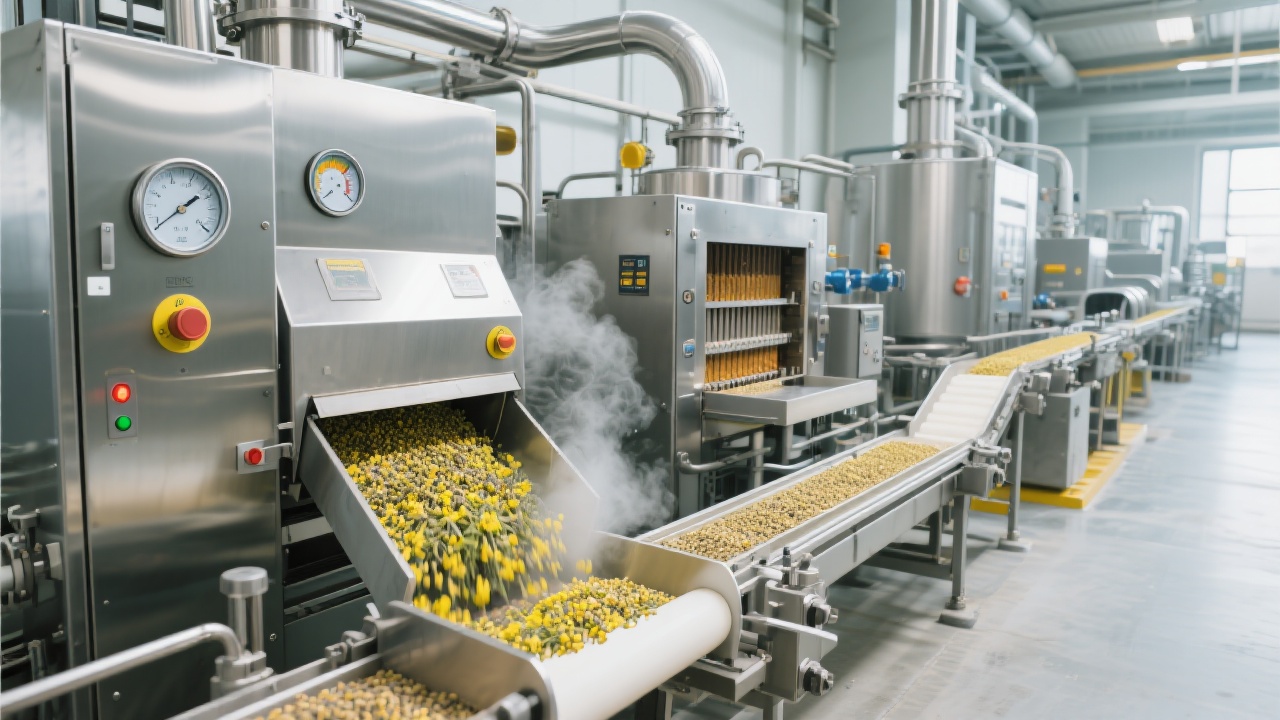
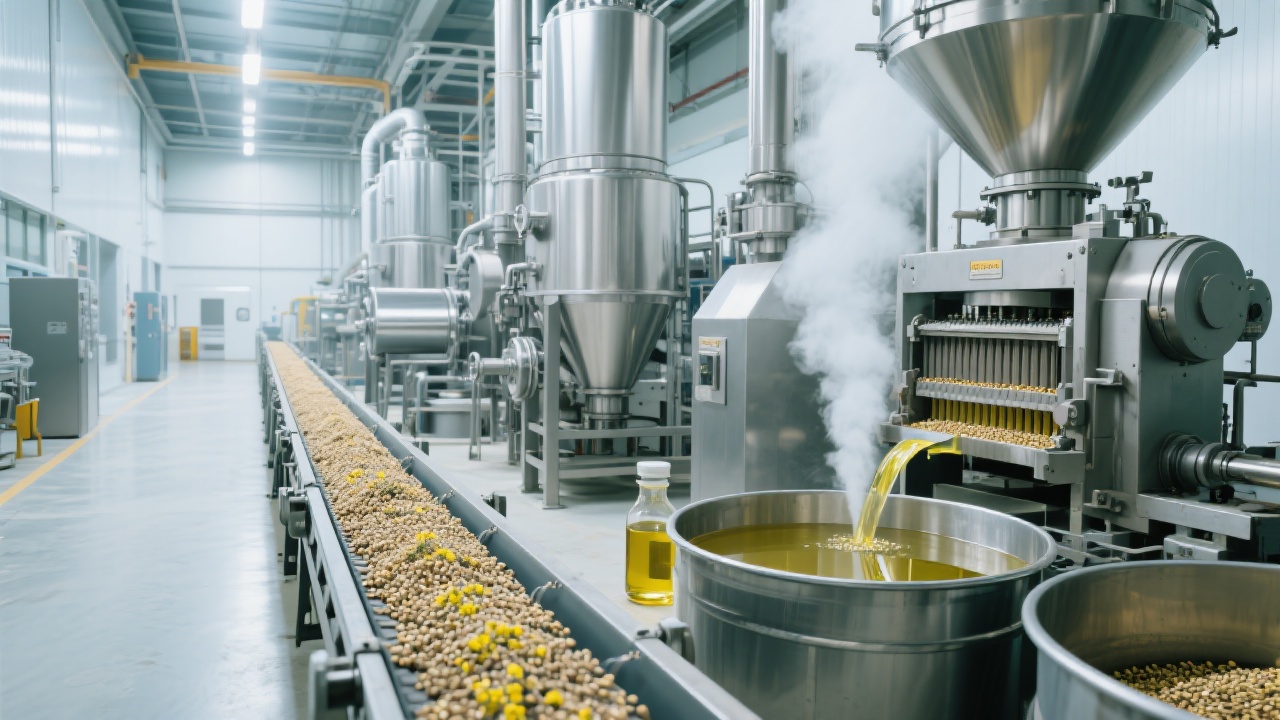
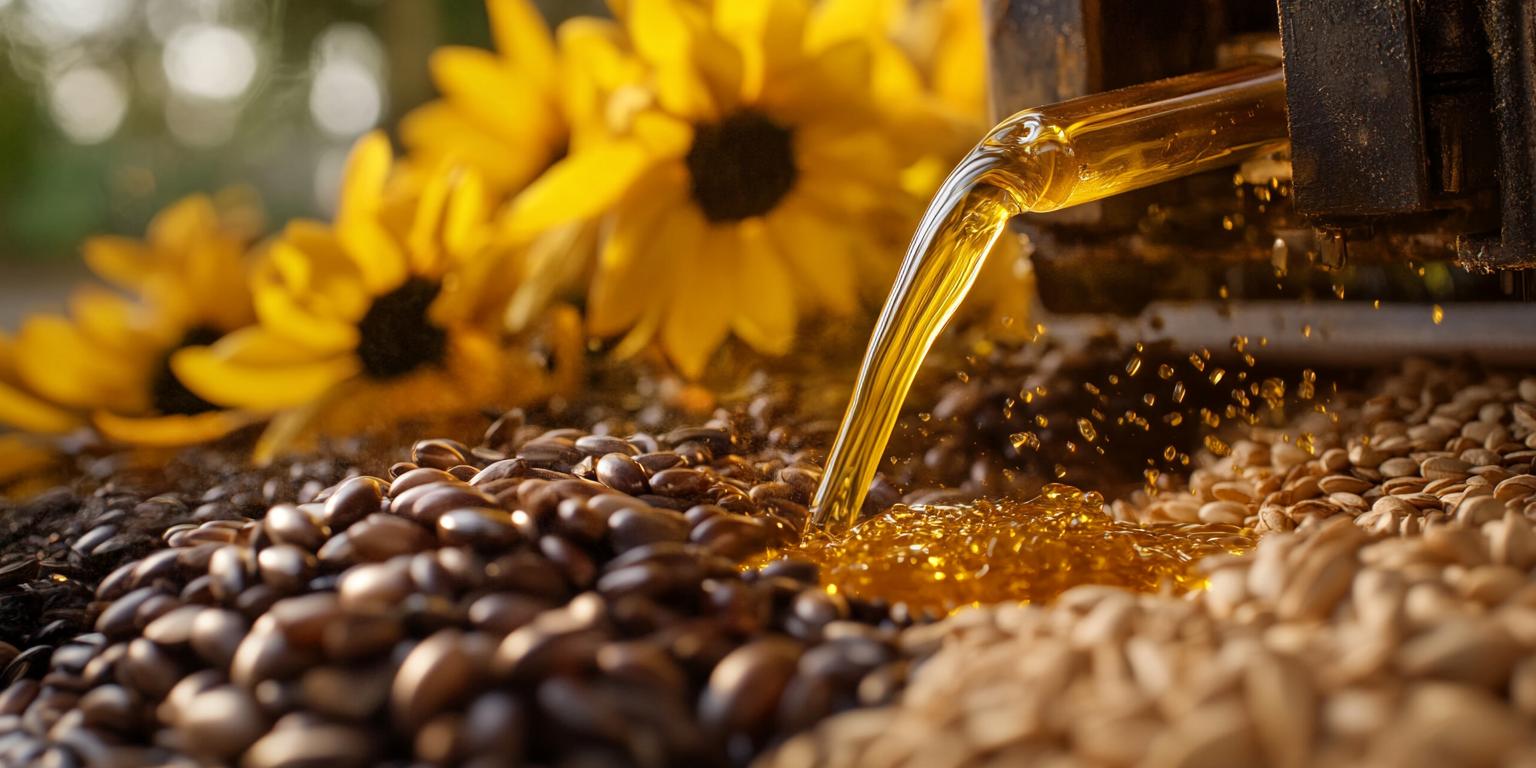
Unlike conventional hot pressing, which subjects seeds to temperatures above 120°C, cold pressing operates below 50°C, safeguarding heat-sensitive phytochemicals. Vitamin E, for example, can degrade by up to 40% in hot pressing but remains over 90% intact using cold-press technology. The gentle mechanical pressure extracts oil without chemical solvents, retaining natural aromas and freshness.
“Research published in the Journal of Food Science demonstrates cold-pressed sunflower oil contains up to 30% more polyphenols compared to heat-extracted counterparts, contributing to enhanced antioxidant activity and longer shelf life.”
Post-press oil contains tiny suspended particles that could affect clarity and stability. Cold-pressed oils undergo gentle filtration using cellulose filters or centrifugation at low temperatures to maintain nutrient integrity. Unlike heavily refined oils, this process avoids bleaching or deodorizing, preserving the oil's golden hue and distinct floral notes.
Packaging choices are critical to avoid oxidation, which diminishes the oil’s health benefits. Dark glass bottles or opaque containers with airtight caps shield cold-pressed sunflower oil from light and air exposure. Incorporating nitrogen flushing during bottling further extends shelf stability — with peroxide values remaining below 5 meq O2/kg for up to 12 months under optimal storage conditions.
Vitamin E Retention: Cold-Pressed - 92% | Hot-Pressed - 55%
Polyphenols Concentration: Cold-Pressed - 45mg/kg | Hot-Pressed - 30mg/kg
Peroxide Value (meq O2/kg): Cold-Pressed - <5 | Hot-Pressed - 12+
Beyond production, cold-pressed sunflower oil perfectly complements dietary trends emphasizing wholesome fats. Its high vitamin E and plant sterol content aligns with Mediterranean and ketogenic diets, supporting cardiovascular health and inflammation reduction. The delicate taste profile suits salads, dips, and light sautéing — preserving oil integrity where high heat would compromise quality.
For small to medium oil producers contemplating technical upgrades, adopting cold-pressing techniques presents competitive differentiation in an increasingly health-aware marketplace. The initial investment yields returns through premium pricing, consumer trust, and alignment with global wellness standards.
Genuine health oils begin at the source — from seed selection to the final pour. Understanding these intricate steps empowers buyers and producers alike to make informed choices that honor both nutrition and flavor.

 214
|
214
|
 sunflower oil processing
HACCP implementation in edible oil
ISO 22000 food safety management
oil refining quality control
sterile filling technology
sunflower oil processing
HACCP implementation in edible oil
ISO 22000 food safety management
oil refining quality control
sterile filling technology
 198
|
Sunflower oil quality control
Edible oil processing quality control
Vacuum deodorization process
Airtight packaging technology
Preventing oil rancidity
198
|
Sunflower oil quality control
Edible oil processing quality control
Vacuum deodorization process
Airtight packaging technology
Preventing oil rancidity
 394
|
Energy-efficient palm oil refining equipment
Penguin Group
fully automated PLC control system
reduce production costs
industrial sustainable development
394
|
Energy-efficient palm oil refining equipment
Penguin Group
fully automated PLC control system
reduce production costs
industrial sustainable development
 237
|
sunflower seed oil extraction machine
small-scale sunflower oil extractor
industrial sunflower oil extraction technology
237
|
sunflower seed oil extraction machine
small-scale sunflower oil extractor
industrial sunflower oil extraction technology
 318
|
one-step oil press
sunflower seed oil extractor
cold press vs hot press
home oil making machine
efficient oil press for small business
318
|
one-step oil press
sunflower seed oil extractor
cold press vs hot press
home oil making machine
efficient oil press for small business








.jpg?x-oss-process=image/resize,m_fill,h_300,w_300/format,webp)

.jpg)