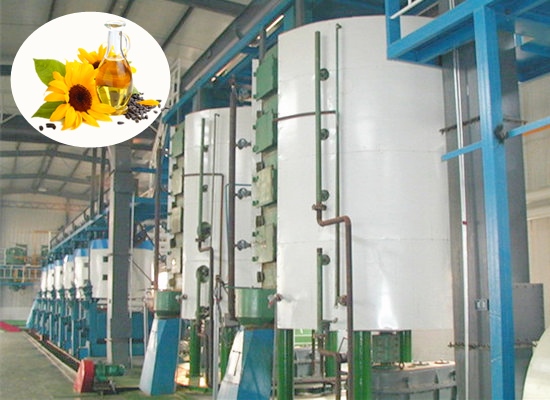
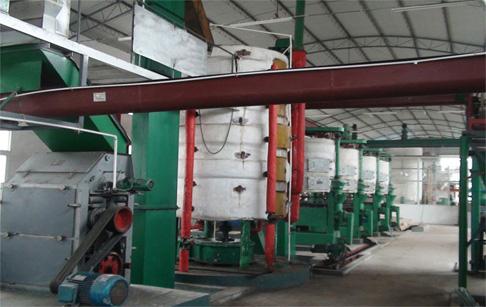
Why is cold-pressed sunflower oil a healthier choice? In this article, we'll take you through the entire production process, from seed cleaning to packaging, and reveal how low-temperature pressing preserves essential nutrients such as vitamin E and polyphenolic antioxidants. By comparing with hot-pressing, we'll show how cold-pressing significantly enhances the quality of the oil.
Let's break down the cold-pressing process into several key stages: cleaning, shelling, low-temperature pressing, filtering, and packaging. At each stage, temperature control plays a crucial role in retaining the oil's nutritional value.
Cleaning: The first step is to clean the sunflower seeds thoroughly. This helps remove any dirt, debris, or damaged seeds. By keeping the temperature low during this process, we prevent the oxidation of the seeds and preserve their natural nutrients.
Shelling: After cleaning, the seeds are carefully shelled. This step is also carried out at a low temperature to avoid any heat damage to the seeds. Removing the shells exposes the kernels, which are the source of the oil.
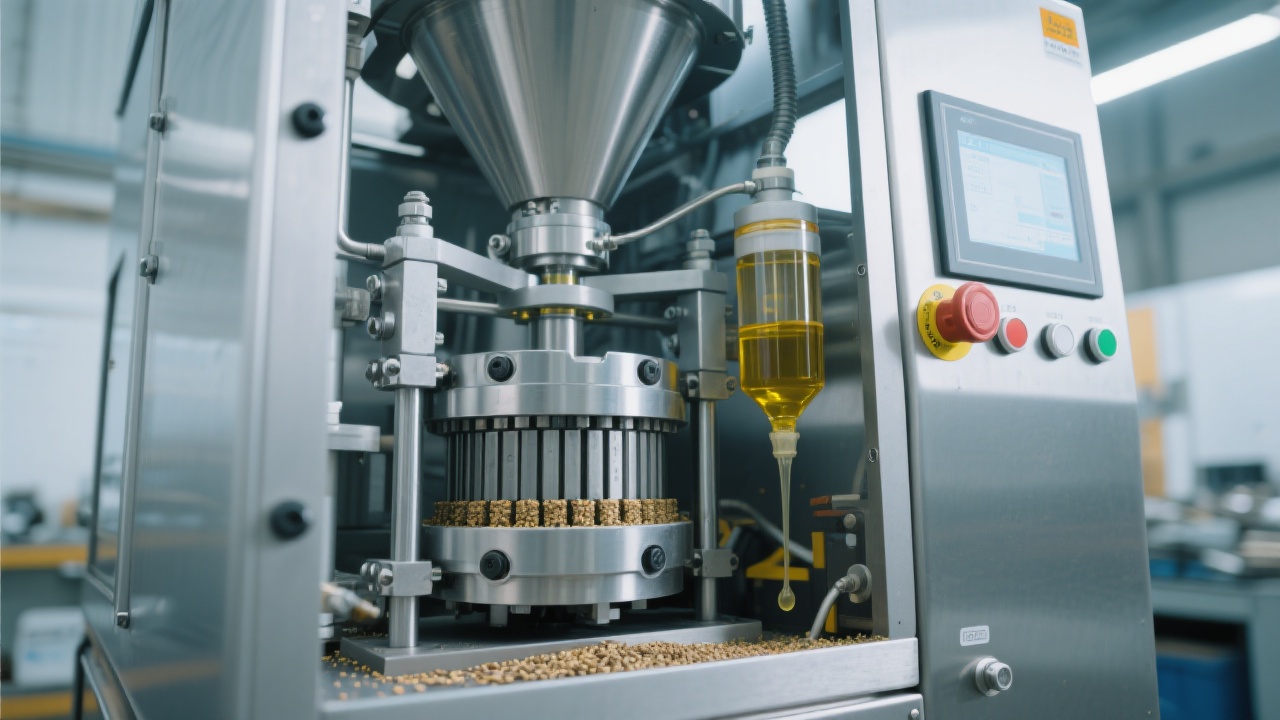
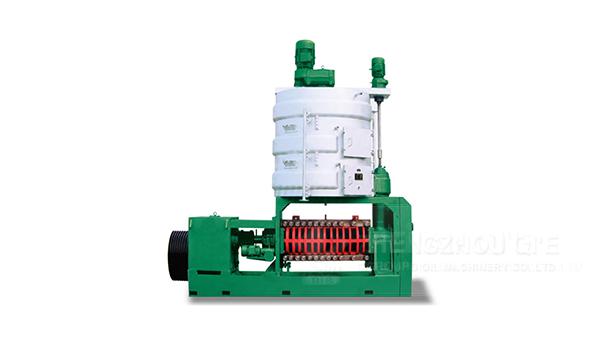
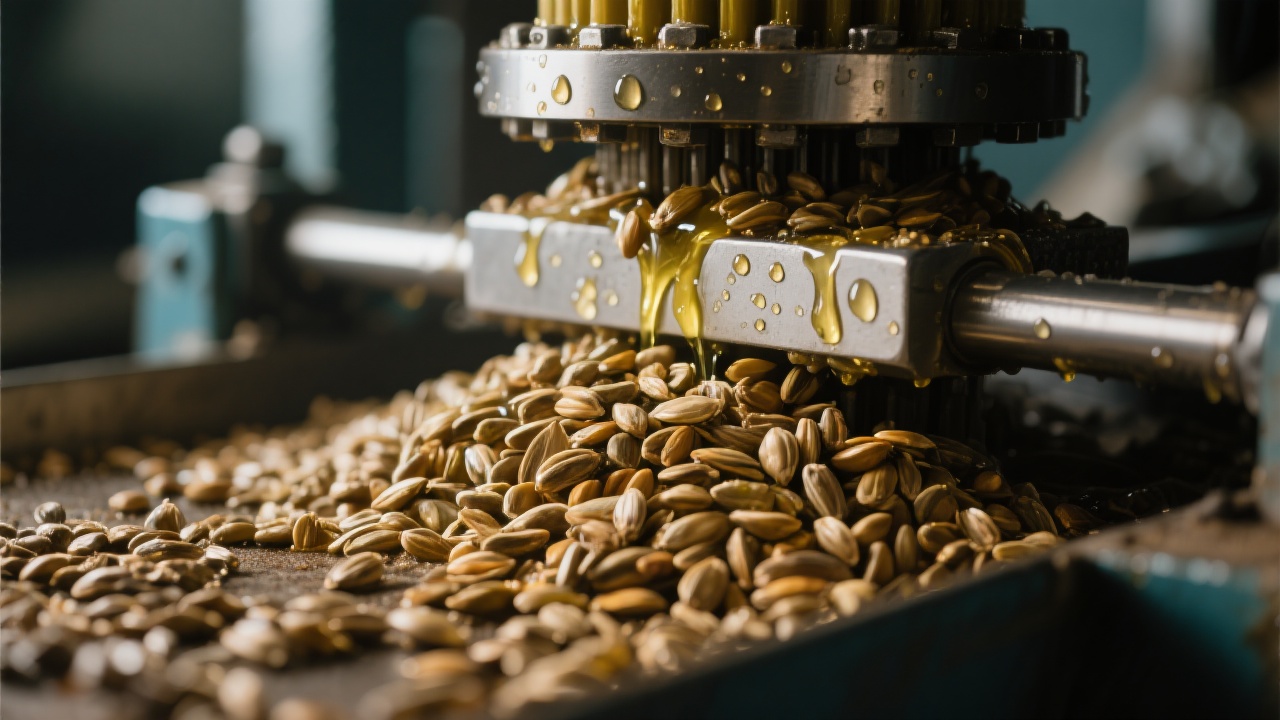
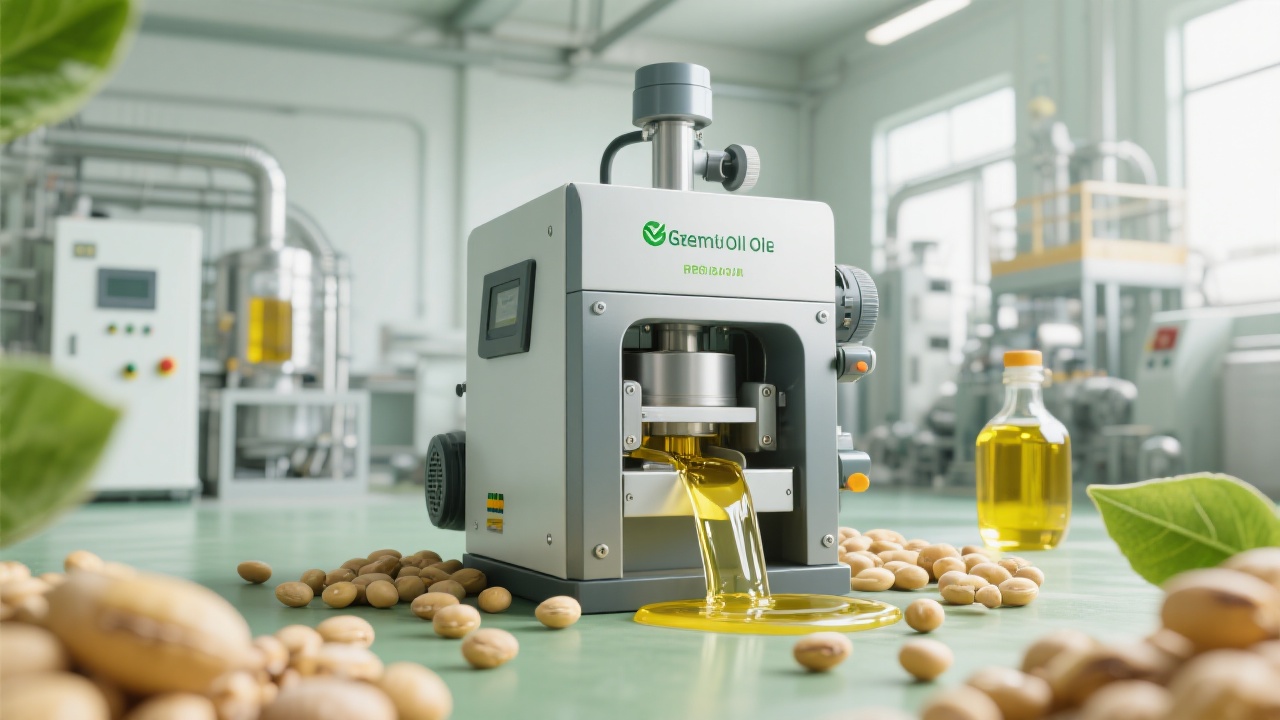
Low-Temperature Pressing: This is the heart of the cold-pressing process. The seeds are pressed at a low temperature, typically below 50°C (122°F). This gentle extraction method ensures that the oil retains its natural flavor, aroma, and most importantly, its nutritional components. In contrast, hot-pressing involves high temperatures, which can destroy many of the beneficial compounds in the oil.

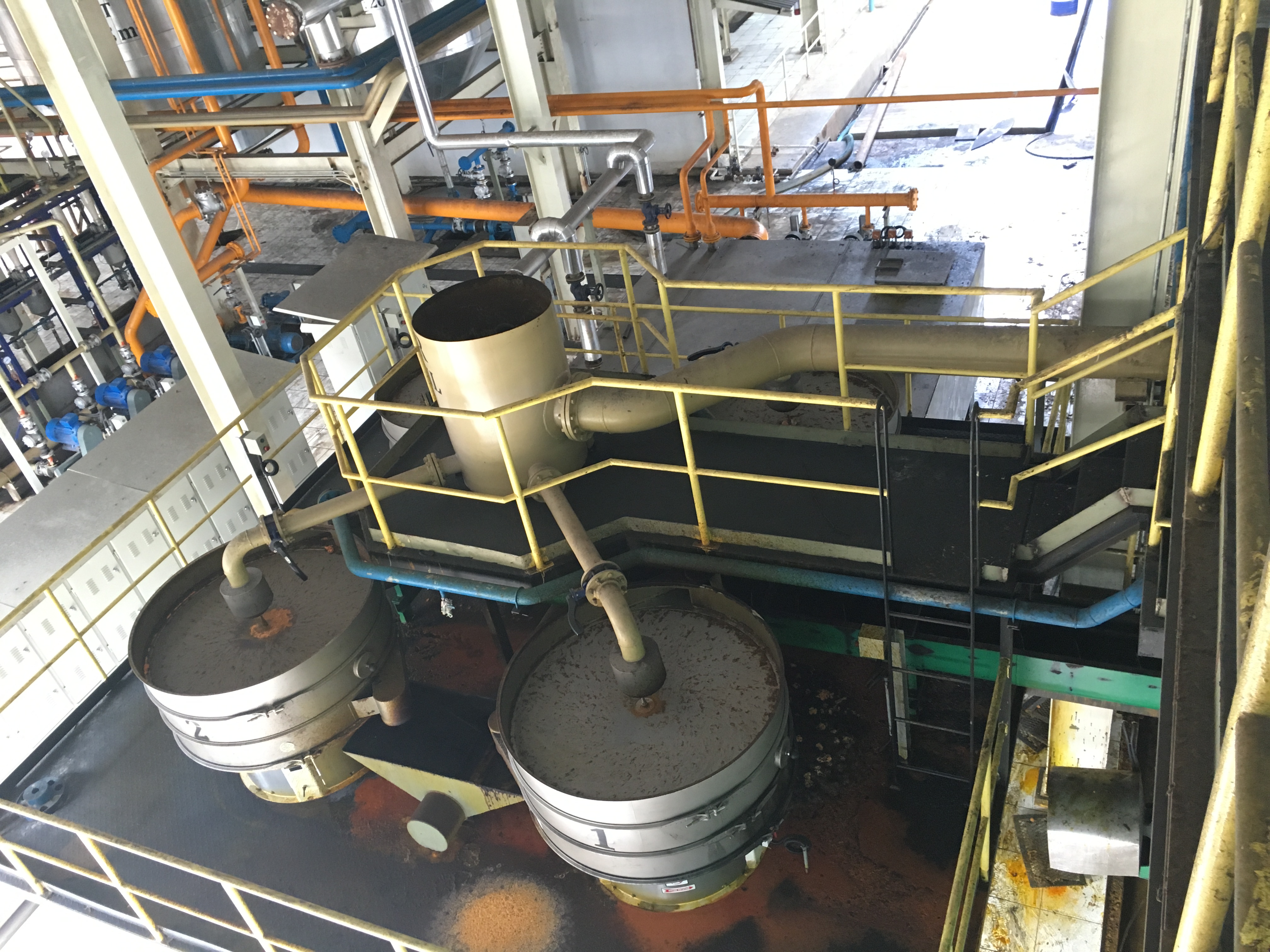
Filtering: Once the oil is extracted, it undergoes a filtering process to remove any remaining impurities. Again, temperature control is important here to maintain the oil's quality.
Packaging: Finally, the cold-pressed sunflower oil is packaged in suitable containers. This protects the oil from light, air, and heat, further preserving its nutritional value.
According to authoritative research and laboratory data, cold-pressed sunflower oil has a significant advantage in retaining fat-soluble vitamins, phytosterols, and other beneficial compounds. For example, cold-pressed oil can retain up to 90% of vitamin E, while hot-pressed oil may only retain 60%. In terms of plant sterols, cold-pressed oil has a retention rate of around 85%, compared to 70% in hot-pressed oil.
A study conducted by [Research Institute Name] found that cold-pressed sunflower oil has a lower peroxide value, indicating better stability and a longer shelf life. The peroxide value of cold-pressed oil is typically around 2 meq/kg, while that of hot-pressed oil can be as high as 5 meq/kg.
"Cold-pressed sunflower oil is a superior choice for health-conscious consumers. Its high retention of nutrients makes it an ideal addition to a balanced diet." - Dr. [Expert Name], Nutritionist
Cold-pressed sunflower oil fits well into various healthy diet trends, such as the Mediterranean diet and the ketogenic diet. In the Mediterranean diet, which is rich in fruits, vegetables, whole grains, and healthy fats, cold-pressed sunflower oil can be used for cooking, dressing salads, or dipping bread. In the ketogenic diet, which emphasizes high fat and low carbohydrate intake, the oil can provide a good source of healthy fats.
You might be wondering if the lower oil yield of cold-pressing means lower efficiency. In fact, this is a common misconception. While cold-pressing may have a lower oil yield compared to hot-pressing, the quality of the oil is much higher. And in terms of overall health benefits, the higher nutritional value of cold-pressed oil far outweighs the slightly lower yield.
Let's clarify some common myths about cold-pressed sunflower oil. One myth is that cold-pressed oil has a bad taste. In reality, cold-pressed oil has a more natural and delicate flavor, which many people prefer. Another myth is that cold-pressed oil is more expensive because of its lower efficiency. However, when you consider the higher nutritional value and better quality, it's actually a great investment in your health.
To help you better understand the differences between cold-pressed and hot-pressed sunflower oil, we've prepared some visual aids. A chart comparing the nutritional retention rates and a side-by-side comparison of the production processes can make the information easier to absorb.
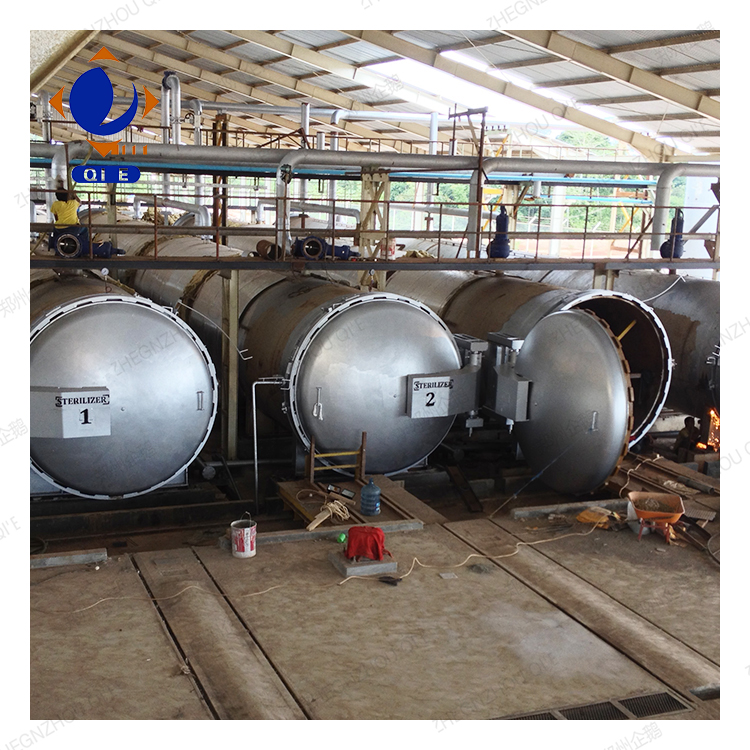
Now that you've learned about the amazing benefits of cold-pressed sunflower oil, are you ready to make a healthier choice for your kitchen? Click here to explore our premium cold-pressed sunflower oil and start enjoying the goodness of nature's healthiest oil!

 371
|
371
|
 integrated oil press
sunflower oil filtration system
small-scale oil mill equipment
clean sunflower oil production
efficient oil pressing technology
integrated oil press
sunflower oil filtration system
small-scale oil mill equipment
clean sunflower oil production
efficient oil pressing technology
 200
|
Sunflower oil quality control
Edible oil processing quality control
Vacuum deodorization process
Prevention of oil rancidity
Food - grade filtration equipment recommendation
200
|
Sunflower oil quality control
Edible oil processing quality control
Vacuum deodorization process
Prevention of oil rancidity
Food - grade filtration equipment recommendation
 45
|
palm oil refining
environmentally friendly
green technology
innovative processing equipment
QI'E Group
45
|
palm oil refining
environmentally friendly
green technology
innovative processing equipment
QI'E Group
 63
|
Sunflower Oil Machine
Sunflower Oil Press Machine
high extraction efficiency sunflower oil machine
eco-friendly sunflower oil machine
nutrient-preserving sunflower oil machine
versatile sunflower oil extraction machine
easy maintenance sunflower oil machine
agricultural sunflower oil processing machine
homemade sunflower oil machine
sunflower oil production machine
63
|
Sunflower Oil Machine
Sunflower Oil Press Machine
high extraction efficiency sunflower oil machine
eco-friendly sunflower oil machine
nutrient-preserving sunflower oil machine
versatile sunflower oil extraction machine
easy maintenance sunflower oil machine
agricultural sunflower oil processing machine
homemade sunflower oil machine
sunflower oil production machine
 149
|
sunflower oil quality control
pressing process selection
edible oil processing quality control
cold pressing vs hot pressing
aseptic filling technology
149
|
sunflower oil quality control
pressing process selection
edible oil processing quality control
cold pressing vs hot pressing
aseptic filling technology





.jpg?x-oss-process=image/resize,m_fill,h_300,w_300/format,webp)




.jpg)